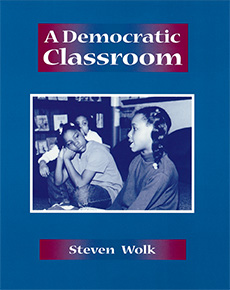
Democratic Classroom Management: A Guide to Creating a Collaborative Learning Environment
As the world becomes more interconnected and complex, it is increasingly important that students develop skills such as collaboration, critical thinking, and empathy. One way to promote these skills is through democratic classroom management. This approach allows students to have a say in how their classroom functions, empowering them to take ownership of their learning experience.
What is Democratic Classroom Management?
Democratic classroom management is an approach to managing a classroom that emphasizes collaboration and shared decision-making between teachers and students. In this model, the teacher serves as a facilitator rather than an authoritarian figure who dictates all aspects of the learning environment.
In a democratic classroom, students are encouraged to voice their opinions on everything from class rules to assignments. They work together with their peers and teacher to create an inclusive and respectful learning community where everyone’s ideas are valued.
Benefits of Democratic Classroom Management
There are many benefits associated with adopting a democratic approach to classroom management:
1. Empowering Students: Giving students some control over their learning can help foster feelings of independence and responsibility.
2. Improved Collaboration: Encouraging open communication between classmates can foster teamwork skills that will be beneficial throughout life.
3. Better Decision-Making Skills: As children learn about different perspectives through group decision making exercises they become better equipped at listening critically before coming up with solutions or decisions collaboratively.
4. Increased Engagement: When students feel like they have a say in what happens in class, they’re more likely to be invested in what’s going on around them during class time which leads ultimately towards greater engagement overall!
5. Greater Accountability: Students who play an active role in determining class rules or consequences for not following those rules tend also tend toward taking personal responsibility for themselves within the context of those guidelines because they had input into creating them!
How To Implement Democratic Classroom Management?
Here are some strategies for implementing democratic classroom management:
1- Establish Shared Norms: The first step in creating a democratic classroom is to establish shared norms. This could be done by discussing with your students the values and expectations that they want to uphold within the classroom.
2- Encourage Student Voice: It’s important to encourage student voice throughout class time, not just at designated times such as group discussions. Ask open-ended questions and give students space to share their ideas.
3- Collaborate on Rules: Rather than imposing rules from above, work together with your students to create a set of guidelines for behavior and interaction within the classroom. Students will feel more invested in upholding these rules if they helped create them in collaboration with each other.
4- Foster Inclusivity: Make sure everyone feels included within the classroom community by actively encouraging participation from all members of the class regardless of socio-economic status or cultural background.
5- Use Consensus-Based Decision Making: When making decisions about how to proceed with assignments or projects, use consensus-based decision-making practices where everyone’s input is valued equally.
6- Give Responsibilities To Students : Giving responsibilities (such as managing attendance sheets) can help foster feelings of independence and responsibility towards themselves and others.
7- Celebrate Diversity: Encourage open communication between classmates so that differences are celebrated rather than ignored or dismissed!
8- Self Evaluation Time : At different points through out the year have self evaluation exercises where you ask your students what they think has gone well during this semester and what things could be improved upon either structurally or instructionally.
Challenges Associated With Democratic Classroom Management
There are also some challenges associated with implementing democratic classroom management:
1. Lack of Structure: Without clear structure, it may be difficult for some students to stay focused on specific tasks.
2. Resistance from Students/Parents/Administrators who may prefer traditional modes of teaching & learning environments due largely based around power dynamics between teacher-student relationships which have been traditionally seen as the norm.
3. Time-Consuming: Democratic classroom management requires a lot of time and effort from both teachers and students, which can be challenging in an already busy school day.
4. Decision Overload : Depending on how the democratic system is implemented, it is possible that too many student voices might cause decision overload making it difficult for everyone to reach a consensus or make decisions effectively.
Conclusion
Democratic classroom management can provide many benefits for both teachers and students alike. It encourages collaboration, critical thinking skills, inclusivity, and personal responsibility while also promoting engagement with class material which leads ultimately towards greater success in academic achievement! However, implementing such an approach takes careful thoughtfulness regarding structure & organization so that all voices are heard without overwhelming anyone’s perspective above others! By following these strategies above you’ll be able to create a collaborative learning environment where everyone has equal say in shaping their own education journey.
 Alternative Amie
Leave a comment