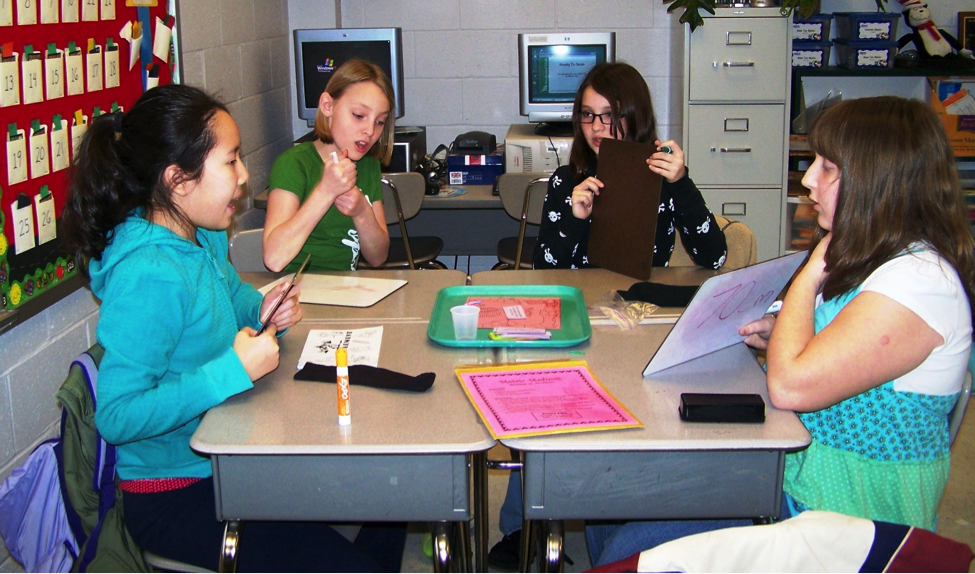
Cooperative Learning: A Powerful Alternative to Traditional Education
As we all know, traditional education has been the norm in schools across the world for centuries. This type of education involves a teacher-led approach where students sit in rows and listen to lectures, complete individual assignments, take tests and receive grades. However, this method of teaching is not always effective for every student as it can be limiting and isolating.
In recent years, educators have started exploring alternative approaches that involve more interactive learning methods designed to engage students actively in their own learning process. One such approach is Cooperative Learning.
What is Cooperative Learning?
Cooperative Learning (CL) is an instructional strategy that emphasizes small group work where students work together to achieve shared goals. Unlike traditional classroom settings where students compete against each other for top grades or recognition from teachers, CL creates a supportive environment where everyone works towards a common objective – success for all members of the group.
The idea behind cooperative learning is simple: people learn better when they work together than when they work alone. Research shows that cooperative learning can increase student engagement and motivation while also improving academic achievement.
How Does Cooperative Learning Work?
To implement cooperative learning effectively, there are five essential elements:
1. Positive Interdependence – This means that tasks are structured so that each member of the team must contribute something unique for the team’s success; therefore no one person can succeed unless everyone succeeds.
2. Individual Accountability – Each member has personal responsibility and accountability for their contribution to the group.
3. Face-to-Face Interaction – Members communicate face-to-face with each other often enough so they feel comfortable sharing ideas with one another.
4. Social Skills – Members develop interpersonal skills by giving feedback on communication style and working through conflicts.
5. Group Processing – The team reflects on their performance after completing tasks so they can adjust strategies accordingly.
Benefits of Cooperative Learning
1) Improved Academic Achievement: Studies have shown that CL improves academic achievements for students of all ages and abilities. By working together, students can share their knowledge, skills and strengths with one another. This leads to a better understanding of the subject matter and improved retention rates.
2) Increased Student Engagement: Cooperative learning creates an environment that fosters engagement because it encourages students to take ownership of their own learning process. Through group work, they learn how to collaborate with others efficiently and effectively.
3) Promotes Critical Thinking: CL provides opportunities for students to think critically about the subject matter as they discuss ideas with their peers. Students are encouraged to challenge each other’s perspectives which promotes critical thinking skills.
4) Develops Social Skills: Working in groups helps develop social skills such as communication, active listening, leadership qualities and empathy towards others.
5) Fosters Positive Interdependence: In cooperative learning environments, there is no competition between individuals; rather the focus is on achieving shared objectives through mutual support resulting in positive interdependence.
6) Increases Self-Esteem: Collaborating within a team creates a sense of belongingness which can lead to higher self-esteem levels among students. They feel more valued when they contribute positively toward group goals than when working alone where success depends solely on individual effort.
7) Encourages Active Learning: Cooperative Learning encourages active participation by engaging learners in discussions instead of passively absorbing information from lectures or textbooks.
Common Strategies Used in Cooperative Learning
1. Jigsaw Technique – This technique involves dividing a complex task into smaller parts or pieces so that different members work on different aspects before bringing everything back together.
2. Think-Pair-Share – A simple yet powerful strategy where individuals brainstorm ideas independently before sharing them with partners who then combine them into bigger concepts.
3. Round Robin – In this strategy each person takes turns contributing an idea until everyone has had at least one opportunity.
4. Numbered Heads Together (NHT)- Members are assigned numbers which correspond to questions or tasks. The team works together to answer each question, sharing their knowledge and skills.
Challenges of Cooperative Learning
Cooperative learning is not without its challenges. Here are some common issues that educators should be aware of:
1) Unequal Participation: In group work, there can be instances where one member dominates the conversation or others may feel left out resulting in unequal participation.
2) Group Dynamics: Different personalities, backgrounds and beliefs within a group can lead to conflicts which need to be addressed by the facilitator.
3) Time Management: Cooperative learning requires more time for planning and execution than traditional methods so teachers must allocate sufficient preparation time.
4) Assessment Issues: Evaluating individual performance within a cooperative setting is challenging as it is difficult to determine who did what. However, peer evaluations provide useful feedback on how well individuals contributed towards group success.
Conclusion
In conclusion, cooperative learning provides an excellent alternative approach to traditional education methods. It fosters engagement, critical thinking skills development and promotes social interaction while also improving academic achievement. While it may present some challenges such as unequal participation or conflicts between groups members; these can be resolved through careful planning from the teacher-facilitator in charge.
To ensure successful implementation of cooperative learning strategies in classrooms across different grades levels there is need for adequate training of teachers and administrators on how best they can use this method effectively. Additionally, resources such as books, online courses and workshops are available which provide practical examples of how Cooperative Learning has been used successfully around the world. With increased awareness on CL’s benefits combined with proper implementation strategies we could see greater adoption rates in schools leading to better educational outcomes for students everywhere!
 Alternative Amie
Leave a comment