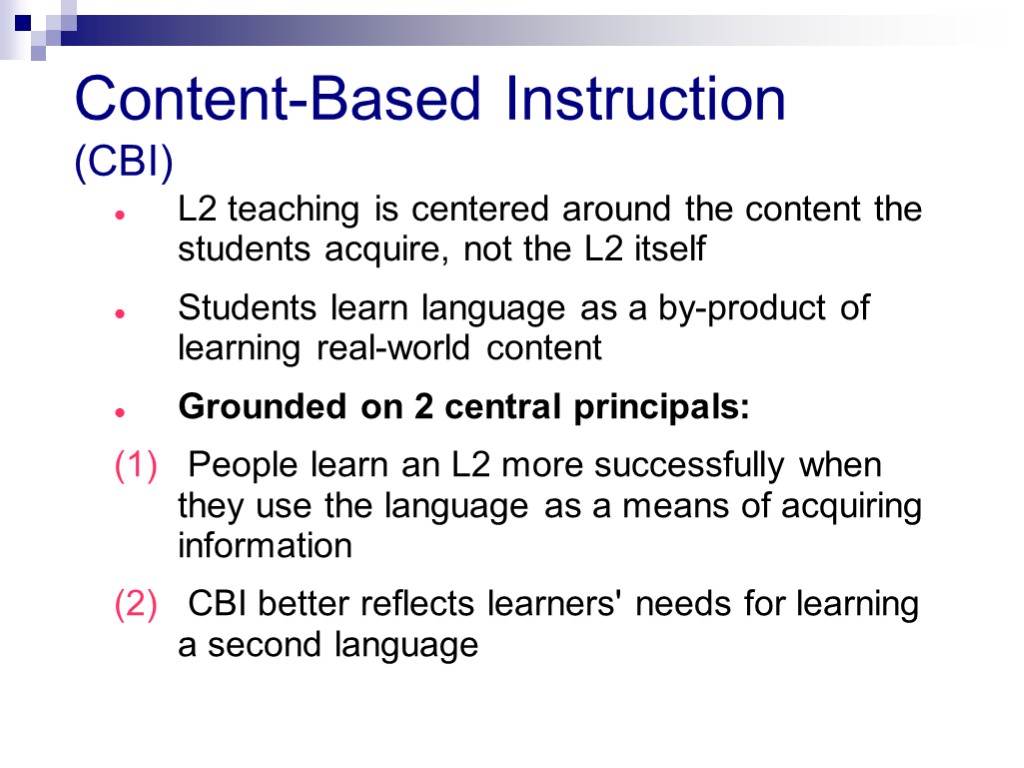
Content-based instruction (CBI) is an instructional approach that integrates language learning with content instruction. This method has been used in bilingual classrooms for many years to help students develop their language proficiency while simultaneously learning subject-specific knowledge.
In CBI, teachers use authentic materials and real-world contexts to teach both language and content. For example, if a history teacher wants to teach about the American Revolution, they may provide reading materials in English and Spanish that cover the topic. The goal is to engage students in meaningful discussions about historical events while improving their language skills.
One of the benefits of using CBI is that it allows students to learn academic content in their native language while also developing proficiency in a second language. This approach helps bridge the gap between home and school languages by providing opportunities for students to apply what they already know while building new skills.
Another benefit of CBI is that it promotes cultural competence by exposing learners to different perspectives and ways of thinking through various subjects such as science, history or literature. By engaging with diverse viewpoints, learners can develop empathy towards others’ experiences which leads them towards developing an open-mindedness mindset.
Moreover, CBI encourages collaboration among peers as well as fosters critical thinking. Collaborating on projects together enables students from different backgrounds to come together and share ideas based on their unique perspectives. Additionally, exploring new topics provides opportunities for learners’ minds becoming more curious which helps build problem-solving skills alongside critical thinking abilities.
However, implementing a successful CBI program requires careful planning and preparation from educators who must consider factors like student’s background knowledge level or linguistic needs when selecting texts or designing lessons plans.
Furthermore, suitable professional development programs are required for instructors teaching within such settings so they can acquire necessary competencies before they begin teaching within these bilingual environments effectively.
In conclusion, Content-Based Instruction (CBI) has emerged as an effective way of promoting bilingual education through integrating both content instruction with English Language Development (ELD). It offers many benefits such as cultural competence and fostering critical thinking skills, but careful planning and preparation are essential for successful implementation. CBI is a promising approach that provides opportunities for bilingual students to engage meaningfully with content while developing their language proficiency.
 Alternative Amie
Leave a comment