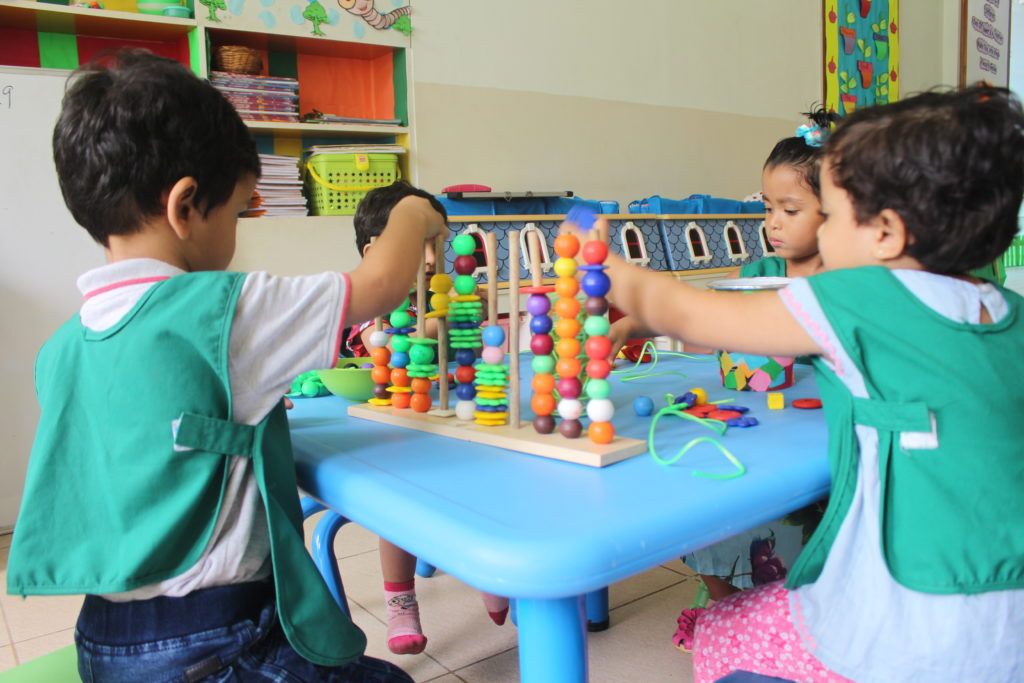
Play-Based Learning: A Powerful Tool for Alternative Schooling and Education
Education is a crucial aspect of life that opens up many opportunities for individuals. While traditional education has been the norm, alternative schooling approaches have become increasingly popular in recent years. Play-based learning is one such approach that has gained recognition for its effectiveness in providing a comprehensive learning experience.
What Is Play-Based Learning?
Play-based learning is an educational approach that emphasizes the use of play as a tool to facilitate children’s learning and development. It involves creating an environment where children are encouraged to learn through exploration, experimentation, and discovery.
In this approach, play is not just seen as a recreational activity but as a means of engaging children in active learning experiences. Children are allowed to take charge of their own learning by choosing what they want to play with, exploring ideas on their own terms while being guided by skilled educators who facilitate their process.
The Benefits of Play-Based Learning
There are numerous benefits associated with play-based learning that make it an attractive option for parents seeking alternative schooling approaches. Here are some of them:
1) Promotes Creativity: Play-based learning encourages creativity among children by allowing them to explore and experiment with different materials without feeling constrained or judged.
2) Builds Social Skills: In this approach, children learn how to share ideas and collaborate with others effectively, which helps develop social skills essential throughout life.
3) Fosters Curiosity: Since there isn’t any predetermined outcome or expectation involved in play-based activities; it fosters curiosity amongst students about the world around them.
4) Enhances Problem-Solving Skills: As kids interact with various materials during play activities, they encounter problems that require solutions. This enhances problem-solving skills among students at an early age.
5) Encourages Self-Expression: Children express themselves freely through role-playing games and other forms of imaginative play which allows them to build self-confidence and self-esteem
6) Engages Children in Active Learning: Play-based learning is a hands-on approach that engages children in active learning experiences, which helps them retain more knowledge and concepts than passive learning approaches.
7) Develops Motor Skills: Play-based activities require students to use their fine and gross motor skills while manipulating objects such as puzzles, blocks or clay. This helps develop hand-eye coordination among young learners.
8) Improves Language Skills: As children play together, they engage in conversations and learn new vocabulary words, which improves their language skills.
How Can Schools Implement Play-Based Learning?
While play-based learning has numerous benefits for students, it can be challenging to implement without proper planning and support from educators. Here are some ways schools can incorporate this approach:
1) Provide Adequate Space for Play: Having ample space for play is essential since it allows kids to move around freely during activities; helping them feel comfortable enough to enjoy the experience fully.
2) Encourage Teacher Training on Play-Based Learning Techniques: Proper teacher training is essential when implementing any new educational approach. In this case, teachers need to understand how play-based activities work so they can guide students effectively throughout the process.
3) Use Age-Appropriate Materials: Teachers should ensure that materials used are both age-appropriate and safe for use by young learners. These materials could include toys such as building blocks or art supplies like crayons.
4) Incorporate Different Forms of Play into Lessons Plans: Educators should include various forms of play into lesson plans such as role-playing games or music therapy sessions. This ensures that there’s diversity in the type of activities and keeps students engaged throughout the day.
5) Collaborate with Parents on Curriculum Development: Since parents are primary stakeholders in their children’s education process; involving them actively on curriculum development ensures buy-in from all parties involved
Conclusion
Play-Based Learning provides an alternative educational approach that fosters creativity, curiosity collaboration amongst children. It encourages active learning, develops social skills while building self-confidence and critical thinking among young learners.
While it may require proper planning and support from educators, play-based learning is a powerful tool that can transform the way we approach education in our society today. By implementing this approach, schools can provide students with an engaging and comprehensive education experience that prepares them for life beyond the classroom walls.
 Alternative Amie
Leave a comment