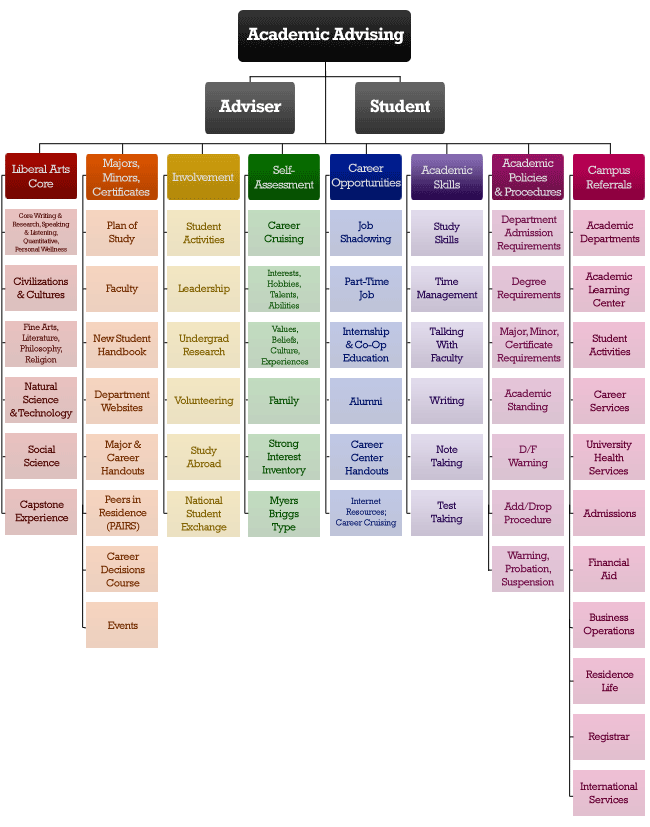
Academic Advising: Understanding Its Significance for Students
As students transition from high school to college, they often face a lot of challenges and uncertainties that can impact their academic performance. Academic advising plays a crucial role in ensuring that students receive the guidance and support they need to navigate this critical period in their educational journey successfully.
What is Academic Advising?
Academic advising is an essential service provided by colleges and universities to help students achieve their academic goals. It involves working with an advisor who helps them select courses, plan their degree program, explore career options, and make informed decisions about their future.
The Role of Academic Advisors
Academic advisors serve as mentors and guides for students throughout their college experience. They help them identify strengths and weaknesses, set goals, develop study strategies, and make meaningful connections within the campus community.
Moreover, academic advisors work closely with faculty members to ensure that students are meeting all academic requirements necessary for graduation. They also provide assistance with financial aid applications or scholarship opportunities.
Benefits of Academic Advising
Students who receive regular academic advising tend to perform better academically than those who do not. Research has shown that effective advising can increase retention rates among freshmen by up to 20%. Additionally, it leads to higher graduation rates since advisors can help students stay on track towards completing degree requirements in a timely manner.
In addition to improving student success rates, academic advising provides numerous other benefits such as:
1) Personalized Support – Students receive individualized attention from professional advisors who understand the unique challenges they face.
2) Career Exploration – Advisors can help students explore different majors or career paths based on interests and skills.
3) Time Management Skills – Advisors provide guidance on how best to balance academics with extracurricular activities while maintaining healthy habits like sleep or exercise routines!
4) Mental Health Support – By building strong relationships with advisors over time; some institutions have seen improvements in student mental health outcomes.
Conclusion
In conclusion, academic advising is an essential service that plays a crucial role in helping students succeed academically and develop the skills they need to thrive beyond college. As such, it’s important for educational institutions to invest in quality advising programs and support services that can help students maximize their potential. With the right guidance and support, students can achieve their academic goals while also developing the critical thinking skills, leadership abilities, and other qualities necessary for success in today’s competitive society.
 Alternative Amie
Leave a comment