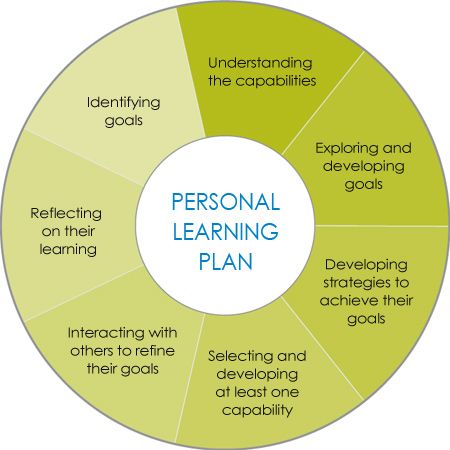
As we move towards a more personalized approach to education, it is important to understand the benefits of using Personalized Learning Plans (PLPs). These plans are designed to help students set goals and track their progress in a way that is tailored to their individual needs. PLPs can be used in any educational setting – from traditional schools to homeschooling – and have been proven effective at improving student engagement, motivation, and achievement.
The first step in creating a PLP is for the student or learner to identify their learning goals. This could include academic achievements such as improving grades in math or science classes or non-academic goals like developing better study habits. Once these goals have been identified, the next step is for the student and teacher (or parent) to work together to create a plan of action.
This plan of action should include specific steps that will help the learner achieve their goals. For example, if a student wants to improve their reading skills, they might set a goal of reading for 30 minutes each day after school. The plan could also include strategies for overcoming any challenges that may arise along the way, such as difficulty with comprehension or staying focused during reading time.
One major benefit of using PLPs is that they allow learners to take ownership of their education. By working together with teachers or parents, students are able to identify areas where they need support and develop strategies for overcoming obstacles on their own. This sense of independence can lead to increased motivation and engagement with learning.
Another benefit of PLPs is that they provide a structured framework for tracking progress over time. By regularly reviewing and updating the plan based on feedback from teachers or self-reflection by learners themselves, students can see tangible evidence of their growth over time. This helps them stay motivated by seeing how far they’ve come since starting out on this journey towards reaching their personal learning objectives
In addition, by creating personalized learning plans tailored specifically around an individual’s strengths and weaknesses, the learner is able to focus on what they need to learn in order to thrive. This can help them reach their full potential and achieve academic success.
PLPs are not just for students with learning difficulties or special needs; they can be used by any student who wants to take charge of their education. They can be integrated into traditional classroom settings as well as homeschooling environments. By using a personalized approach, educators are better equipped to meet each student’s unique needs and support them in reaching their goals.
However, it is important to note that PLPs do require effort from both the student and teacher (or parent). Regular check-ins and updates should be scheduled so that progress can be assessed, goals adjusted if necessary, and feedback given when needed. But the time invested is worth it when considering the positive impact these plans have on student engagement, motivation, and achievement.
In conclusion, Personalized Learning Plans offer a structured framework for learners of all ages to take ownership of their education while providing individualized support tailored specifically around their strengths and weaknesses. When used effectively with regular check-ins and communication between teachers/parents/guardians/students themselves , PLPs have been proven effective at improving academic performance amongst students who use them regularly over time. As our understanding of how people learn continues to evolve so does our methods for teaching which includes personalizing learning through PLPs which empowers learners on this journey towards achieving academic excellence!
 Alternative Amie
Leave a comment