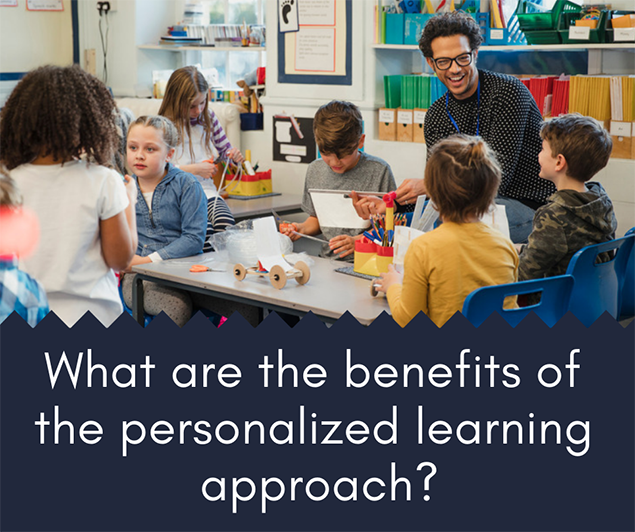
Personalized learning has become a buzzword in the education world over the past few years. It is an approach that tailors teaching and learning to meet individual student needs, interests, and abilities. This approach allows students to learn at their own pace while teachers provide support and guidance tailored specifically to each student.
One of the primary benefits of personalized learning is that it can help students reach their full potential. Every learner has unique strengths, weaknesses, and preferences when it comes to how they learn best. By personalizing instruction based on these factors, educators can create a more engaging and effective learning experience for each student.
Another advantage of personalized learning is that it promotes independence and self-directed learning skills. When students are given more control over what they learn and how they learn it, they are more likely to take ownership of their education and become active participants in the learning process.
Personalized learning also provides opportunities for collaboration with peers who have similar interests or skill levels. Instead of being grouped by age or grade level, students can work together based on shared interests or abilities. This type of collaborative environment can foster creativity, critical thinking skills, problem-solving abilities among learners.
However, implementing personalized learning in schools requires careful planning and resources from both educators as well as administrators. Teachers need adequate training on implementing this approach effectively while administrators need sufficient funding for technology tools like adaptive software or online platforms designed specifically for personalised teaching.
In conclusion Personalized Learning may be one answer to many problems faced by traditional educational models such as rote memorization-based instructions without any practical application or creative thinking outside-the-box approaches; however its implementation requires significant time investment from educators upfront which will pay dividends down the line if done correctly!
 Alternative Amie
Leave a comment