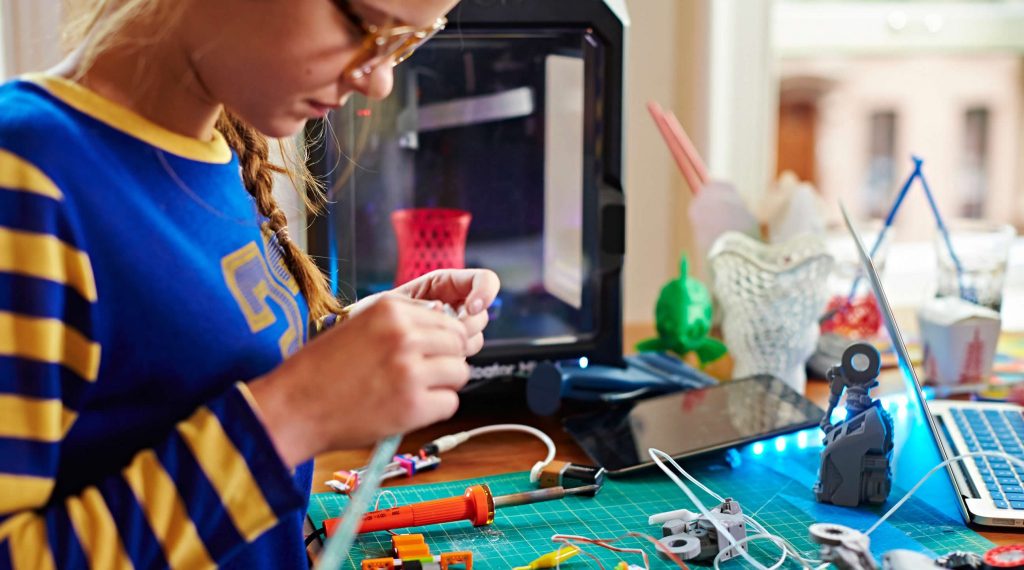
3D Printing and Designing: The Future of Alternative Education
In recent years, 3D printing has emerged as a game-changing technology that is transforming the way we learn and create. With its ability to turn digital designs into physical objects, 3D printing has opened up new possibilities for students in alternative education settings who are looking for innovative ways to explore their interests and passions.
But what exactly is 3D printing? At its most basic level, 3D printing involves creating a virtual model or design using computer-aided design (CAD) software. This design is then sent to a 3D printer, which uses various materials such as plastic, metal or ceramic powders to build up the object layer by layer until it is complete.
So why should alternative educators consider incorporating 3D printing into their curriculum? One major advantage of this technology is that it allows students to bring their ideas to life in a tangible way. Whether they are interested in engineering, art or architecture, students can use 3D printers to create prototypes and models that demonstrate their understanding of key concepts.
Another benefit of 3D printing is that it fosters creativity and problem-solving skills. When designing an object for print, students must think critically about how different shapes and structures will fit together, as well as consider factors such as weight distribution and durability.
Furthermore, working with 3D printers can also help prepare students for careers in fields such as engineering or product design. By gaining experience with CAD software and other tools used in these industries, students can acquire valuable technical skills that will serve them well in future job opportunities.
Of course, like any emerging technology there are also some challenges associated with implementing 3D printing into an alternative education environment. One potential hurdle may be the cost of purchasing equipment; however many schools have found creative solutions including grant funding or partnering with local businesses to obtain access to necessary resources.
Additionally, educators may need to invest time in training and support to ensure that students are able to use the technology effectively. This might involve providing workshops or tutorials on CAD software, as well as offering guidance on how to troubleshoot common issues that arise during the printing process.
Despite these potential challenges, there is no doubt that 3D printing has enormous potential for alternative education settings looking for new ways to engage students and foster creativity. By allowing students to bring their ideas to life and prepare them for future careers, it is clear that 3D printing will continue to play an important role in shaping the future of education.
 Alternative Amie
Leave a comment