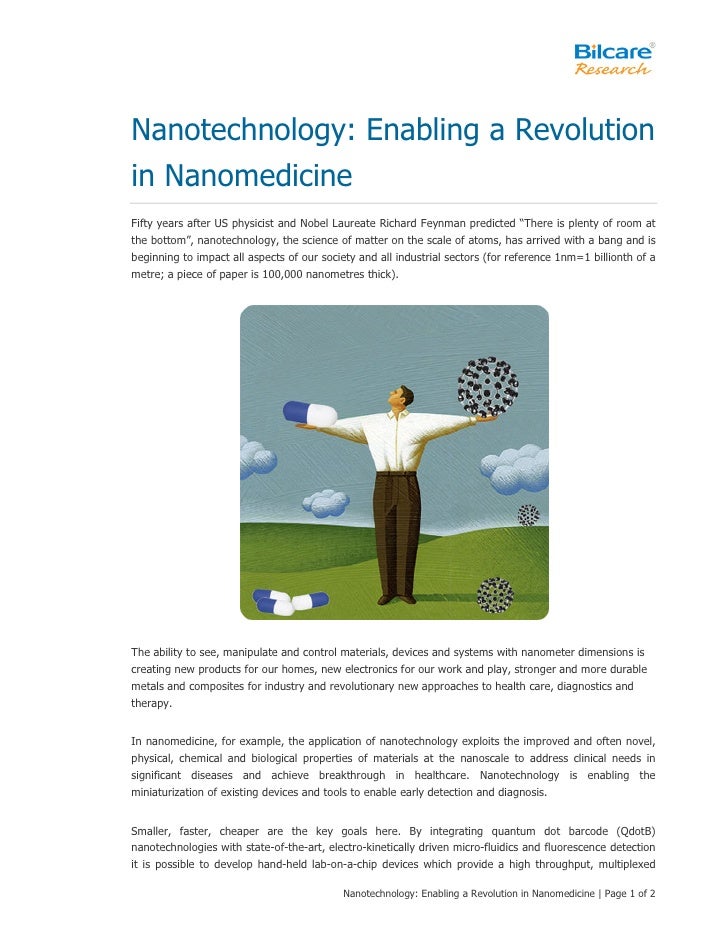
Nanotechnology has been a buzzword in the science and technology community for many years. The field of nanotechnology involves manipulating matter on an atomic, molecular, or supramolecular scale to create new materials, devices, and systems with unique properties that could revolutionize various industries.
One of the most significant advantages of nanotechnology is its potential to solve some of the world’s most pressing problems. For instance, researchers are exploring ways to use nanotechnology to develop renewable energy sources and improve medical treatments. Nanoparticles have been used in solar cells and batteries to enhance their performance while reducing their size and weight. Scientists are also exploring the possibility of using nanoparticles as drug delivery vehicles that target specific cells within our bodies.
Besides being a solution provider, nanotechnology is also creating exciting opportunities for innovation across different sectors such as electronics, manufacturing, and construction industries. Nanomaterials possess unique characteristics such as electrical conductivity or thermal insulation that make them ideal candidates for developing advanced electronic components like microprocessors or sensors.
In addition to this, nanomanufacturing techniques can help reduce production costs by creating more efficient manufacturing processes while using fewer resources. By enabling manufacturers to build products atom-by-atom precisely, it eliminates waste products which would otherwise be created through traditional methods.
Another advantage of nanotechnology is its potential impact on education. With advances in technology taking place at unprecedented rates today than ever before – students need more than just theoretical knowledge; they require hands-on experience with cutting-edge tools like 3D printing machines or other nano-scale equipment so they can learn how these technologies work firsthand.
Moreover, because these technologies are still relatively new in comparison to others taught at schools worldwide (such as mathematics), there is an opportunity for educators and students alike to pioneer their uses together – which could lead us into uncharted territories when it comes down not only what we know about science but also how we interact with each other socially!
However promising the potential benefits of nanotechnology may seem, it is not without its risks. One such risk involves the possibility of nanoparticles becoming toxic to humans or the environment. Because these particles are so small, they can easily enter our bodies through inhalation or ingestion and potentially cause harm.
Therefore, safety concerns must be addressed before nanotechnology becomes widely adopted in various industries. Scientists are working tirelessly to ensure that nanoparticles are safe for use and do not pose any health risks to humans or the environment.
Another issue with nanotechnology is ethical considerations. As technology continues to advance, we need to think carefully about how we apply it and what consequences this could have on society as a whole. For example, using nanoparticles in food packaging could help extend shelf life but also raise questions about whether these particles would end up in our food and affect our health adversely.
In conclusion, Nanotechnology has enormous potential to revolutionize various industries like medicine and electronics while providing solutions for pressing problems like climate change. However, as with any emerging technology – there are risks involved that must be considered carefully before adopting them widely across different sectors worldwide. As students continue their education journey exploring new frontiers within science (like nanotech), they will become better equipped than ever before when it comes down not only what we know about science but also how we interact with each other socially!
 Alternative Amie
Leave a comment