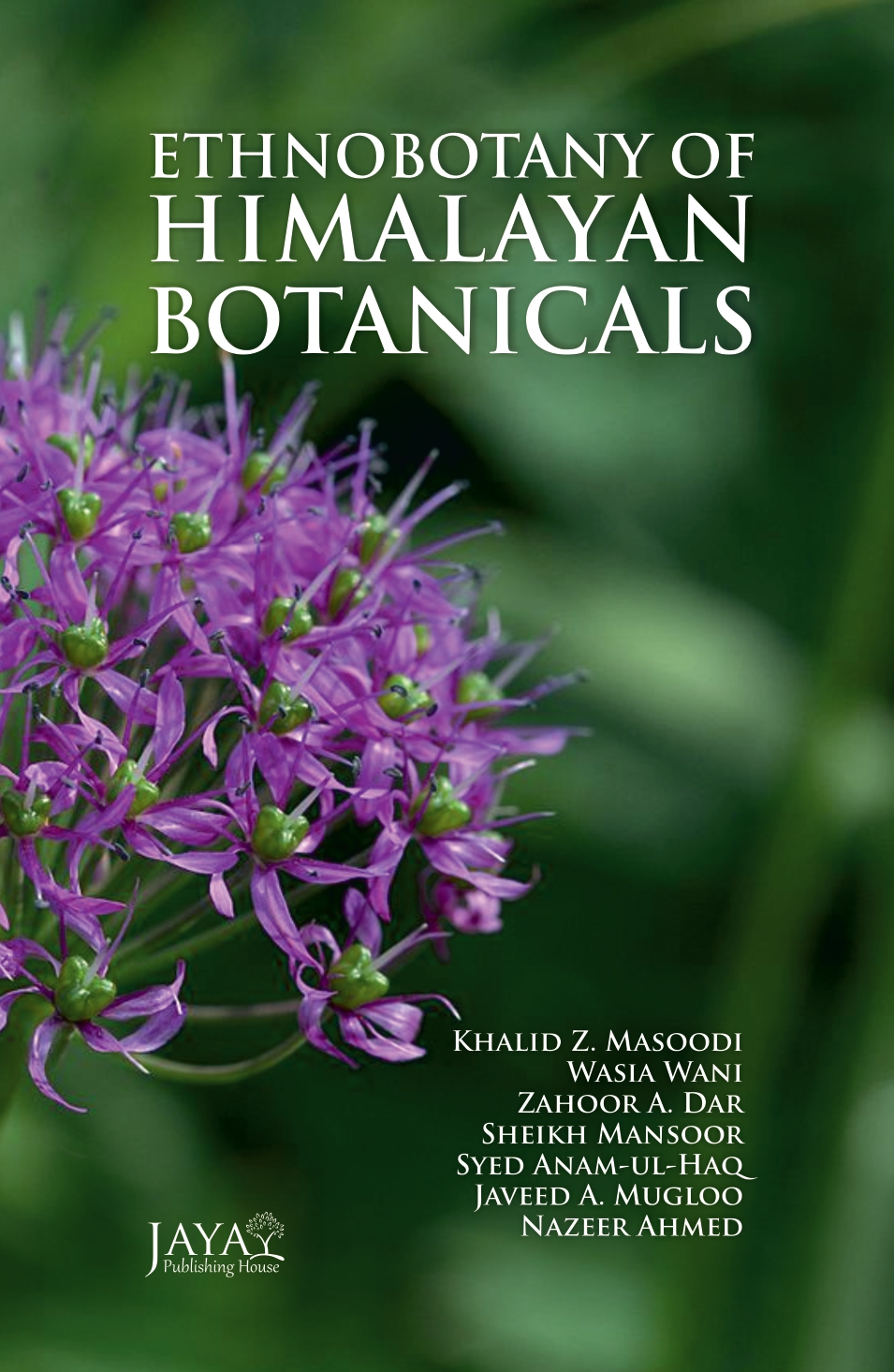
Ethnobotany and Herbalism: A Panel Discussion
Ethnobotany is a scientific discipline that involves the study of plants and their relationship with human cultures. It encompasses the use of plants for food, medicine, ritual, and other purposes by different people around the world. Herbalism, on the other hand, is an ancient healing art that relies on the medicinal properties of plants to treat various ailments.
In this panel discussion, we will explore the intersectionality between ethnobotany and herbalism as well as their relevance in today’s society. Our experts include:
– Dr. Jane Smith – Ethnobotanist
– Mrs. Maria Rodriguez – Master Herbalist
– Mr. John Brown – Educator and Advocate for Alternative Medicine
What are some common misconceptions about ethnobotany and herbalism?
Dr. Jane Smith: One common misconception about ethnobotany is that it only focuses on traditional societies or indigenous communities. However, ethnobotanical research can also be conducted in urban areas where people use plants for food or medicine.
Mrs. Maria Rodriguez: As for herbalism, some people believe it’s just a form of quackery or alternative medicine without any scientific basis. This couldn’t be further from the truth since many modern medicines are derived from plant compounds.
Mr. John Brown: Another misconception is that herbal remedies are safer than pharmaceutical drugs because they’re natural. Although natural doesn’t always mean safe or effective; many herbs can have adverse effects when taken improperly or in excessive amounts.
How do you see ethnobotany contributing to our understanding of nature-human relationships?
Dr. Jane Smith: Ethnobotany provides a holistic perspective on how humans interact with their environment through plant use practices over time across cultures worldwide.
Mrs.Maria Rodriguez : Understanding these relationships can help us appreciate biodiversity conservation efforts where valuable medicinal flora might otherwise disappear due to overharvesting or habitat loss.
Mr.John Brown: Furthermore, it can help us to understand how plants have been used by humans over time and the potential for discovering new medicines or therapies.
How do herbal remedies compare with modern medicine in terms of efficacy and safety?
Mrs.Maria Rodriguez : In terms of efficacy, there are many studies that show certain herbs can be as effective as pharmaceutical drugs. For example, St. John’s Wort has been clinically proven to treat mild-to-moderate depression.
Mr.John Brown: However, concerning safety concerns arise when people self-diagnose or self-medicate without consulting a qualified healthcare practitioner. Some herbs can interact with prescription medications or cause adverse reactions if taken improperly.
Dr. Jane Smith: It’s also essential to note that herbal remedies may not work for everyone since each person is unique in their biochemistry and health conditions.
What are some examples of traditional medicinal plant use practices that could inspire modern herbalism?
Dr.Jane Smith: Ayurveda from India is an ancient medical system based on plant-based remedies that have inspired many contemporary natural healing modalities worldwide.
Mrs.Maria Rodriguez : Traditional Chinese Medicine includes acupuncture and the use of herbs like ginseng for energy and longevity, while Native American healers often employ sagebrush to purify spaces during rituals or ceremonies
Mr.John Brown: Western Herbalism uses medicinal plants commonly found in Europe such as chamomile tea for relaxation or lavender oil for aromatherapy purposes which could be easily incorporated into our modern lifestyle today.
What role should education play in promoting ethnobotany and herbalism?
Dr.Jane Smith: Education plays a crucial role in promoting awareness about the importance of preserving traditional knowledge systems related to ethnobotanical practices.
Mrs.Maria Rodriguez : It also helps people understand how plants can be used medicinally safely while respecting cultural traditions surrounding their use.
Mr.John Brown: Moreover, education promotes informed decision-making regarding our health choices by providing evidence-based information about the efficacy and safety of herbal remedies.
Conclusion
Ethnobotany and herbalism are fascinating fields that offer us unique insights into the relationship between humans and plants. While their traditional roots go back centuries, they continue to evolve in modern times as new research uncovers promising therapeutic agents within our natural world.
As we move forward, it’s crucial to approach these practices with a balanced perspective informed by scientific evidence while respecting cultural traditions. Education plays an essential role in promoting awareness of these practices’ benefits, inspiring curiosity about plant life worldwide, and facilitating informed decision-making regarding health choices.
 Alternative Amie
Leave a comment