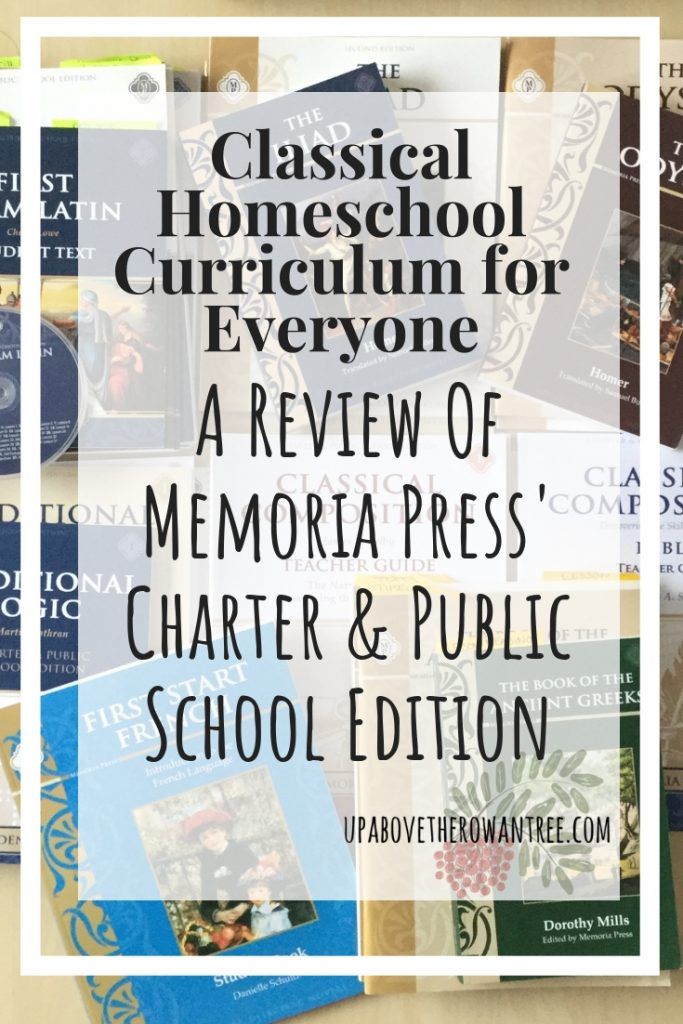
Classical education has been around for centuries and was the primary form of education in Western society until the 20th century. The goal of classical education is to cultivate wisdom, virtue, and a love for learning through the study of language, literature, history, philosophy, science, mathematics, music, and art.
In this article, we will explore various subtopics related to classical education that are commonly discussed among educators and parents. From the Trivium to physical fitness in a classical curriculum – we’ll cover it all!
1. The Trivium
The Trivium refers to three stages of learning: grammar (the study of language), logic (the study of reasoning), and rhetoric (the study of persuasive communication). These stages build upon one another as students progress through their studies. During the grammar stage (usually grades K-6), students focus on memorizing facts and fundamental concepts in subjects such as math, science, history etc., while also studying Latin or Greek roots which helps them better understand English vocabulary later on. In logic stage (grades 7-8) students learn critical thinking skills such as how to analyze arguments logically or identify logical fallacies while also deepening their knowledge across subjects areas from previous years. In rhetoric stage (grades 9-12) they learn how to craft effective arguments both written & spoken while diving deeper into complex concepts within particular fields like literature or philosophy.
2. The Quadrivium
The Quadrivium encompasses four subjects: arithmetic (mathematics), geometry , astronomy /astrology ,and music theory . These subjects were considered essential for understanding the order and harmony found in nature itself . Together with trivium’s linguistic & logical tools , quadrivum completes liberal arts syllabus .
3. The Great Books
The Great Books refer to a collection of classic works written by some of humanity’s most significant thinkers throughout history; these books are typically included in a classical education curriculum. The Great Books are often used as a primary source of information and inspiration in teaching students critical thinking, analytical reasoning, and communication skills that can be applied to many subjects.
4. The role of memorization
Memorization plays a crucial role in classical education as it trains the mind to retain important information for future use. Memorization is most heavily utilized during the grammar stage when students learn basic facts and concepts across multiple subjects. This prepares them for more advanced studies by building foundational knowledge they can draw upon throughout their academic careers.
5. Latin and Greek language studies
Latin was once considered the universal language of Western culture, so it has long been an essential part of classical education since ancient times . It is still taught today because learning Latin roots helps students better understand English vocabulary later on, while also providing access to some great works written in its original form . Greek , another ancient language study helps students comprehend the origins of logic-based inquiry as well as philosophy & literature .
6. Rhetoric and public speaking
Rhetoric refers to persuasive communication through writing or speech , while Public Speaking involves delivering speeches or presentations before an audience . Classical Education lays equal emphasis on both ;public speaking skills are developed during high school years under guidance from experienced teachers who teach techniques related with voice modulation , body posture etc .
7. Logic and critical thinking skills
Logic is not only one aspect of trivium but also permeates all areas of instruction throughout syllabus ; after all , it’s what separates rational discourse from emotional ranting . Critical Thinking Skills complement logical analysis by helping student evaluate evidence and arguments in objective manner .
8. Socratic method of teaching
The Socratic Method emphasizes questioning rather than lecturing; this helps cultivate intellectual curiosity within learners themselves instead of simply imparting pre-packaged answers . Students’ own questions lead discussions forward, which enhances their ability to think critically about complex topics.
9. Classical art and architecture
Classical art and architecture is a study in aesthetics that focuses on the principles of form, proportion, balance, harmony, and unity as they relate to design . This study encompasses everything from ancient Greek temples to Renaissance paintings or Baroque sculptures .
10. Music theory and appreciation in classical education
Music is an integral part of classical education ; it helps students develop an ear for melody , rhythm & harmony while also introducing them to music history . Music Appreciation courses help learners identify different genres and historical periods through listening exercises.
11. History of classical education
The history of classical education goes back millennia, with roots dating back as far as Ancient Greece . Over time , this approach has been adapted by various cultures including Persians , Romans etc . Thus it has evolved into what we now know as “classical” method .
12. Classical education for special needs students
Classical Education can be tailored to meet the needs of diverse learners; one example is using multi-sensory teaching methods specifically designed for those with learning difficulties or disabilities.
13. Homeschooling with a classical approach
Homeschoolers often find classical methodology appealing because it emphasizes self-directed learning over rote memorization ; parents who homeschool their children have greater flexibility when it comes to curriculum choices .
14. Incorporating technology into classical education
While some may believe that technology contradicts traditional approaches such as reading books or handwriting notes , others argue that digital tools can enhance rather than detract from student’s overall experience if used judiciously ; online resources like educational games , videos etc complement traditional paper-bound texts .
15. Classical education for gifted students
Gifted learners often appreciate challenge provided by rigorous coursework offered within a Classical Education framework which encourages intellectual curiosity along with greater depth & complexity across varied subject areas.
16. Montessori and classical education
Montessori schools emphasize hands-on experiences but still focus heavily on language acquisition and development; classical education, on the other hand, emphasizes rigorous academic instruction with a focus on critical thinking and knowledge acquisition. These two methods can complement each other well in many ways.
17. Waldorf and classical education
Waldorf schools emphasize creative expression , imagination & emotional intelligence ; while Classical Education is more focused on imparting knowledge & developing rational thought processes . However both approaches strive to cultivate well-rounded individuals who are able to think independently .
18. Charlotte Mason and classical education
Charlotte Mason’s philosophy emphasizes living books (as opposed to textbooks), nature study, and hands-on learning experiences; Classical Education emphasizes rigor & depth across subject areas . Both approaches encourage active engagement by learners themselves instead of passive absorption of information from an instructor.
19. Project-based learning in a classical curriculum
Project-based Learning involves students working collaboratively on projects that allow them to apply what they have learned through research or experimentation ; it complements traditional lecture-style instruction by providing opportunities for practical application of knowledge.
20. Nature study in a classical curriculum
Nature Study is one way students connect with natural world around them via observation , exploration & experimentation – which helps build curiosity about science as well as environmental awareness .
21. Physical fitness in a classical curriculum
Physical Fitness is important component of overall health and wellbeing; incorporating physical activity into daily routine promotes better concentration while reducing stress levels which ultimately improves academic performance .
22. Ethics and character development in a classical curriculum
Classical Education aims at cultivating good citizens who possess exemplary moral values along with intellectual prowess so that they become responsible members of society.
23.The role of religion in a classical curriculum
Religious Studies may be an integral part of some Classical Programs due their historical significance ; studying religious texts also provides insight into complex ethical dilemmas faced by various cultures over time .
24.Classical education for diverse learners
Classical Methodology can be adapted according different needs such as dyslexia where multi-sensory learning approach is preferred ; it can also be used to meet needs of students from diverse cultural backgrounds .
25. Classical Education vs Traditional Education
Classical education emphasizes the development of critical thinking, analytical reasoning, and communication skills while traditional education focuses more on rote memorization and standardized testing.
26.Classical Education vs Modern Education
Classical education values wisdom, virtue, and a love for learning through study across multiple subjects; modern education leans towards specialization in specific fields along with technology-driven teaching methods
27.Classical Education vs Progressive Education
Progressive educators emphasize experiential learning & self-directed inquiry whereas classical method relies heavily on teacher-led instruction along with structured curriculum .
28.Classical Education vs Online Learning
Online Learning offers many benefits like flexibility & personalization but some argue that it lacks human interaction which is essential to effective learning experience . In contrast , classical classroom environment encourages participation and engagement between learners themselves as well as their teachers .
 Alternative Amie
Leave a comment