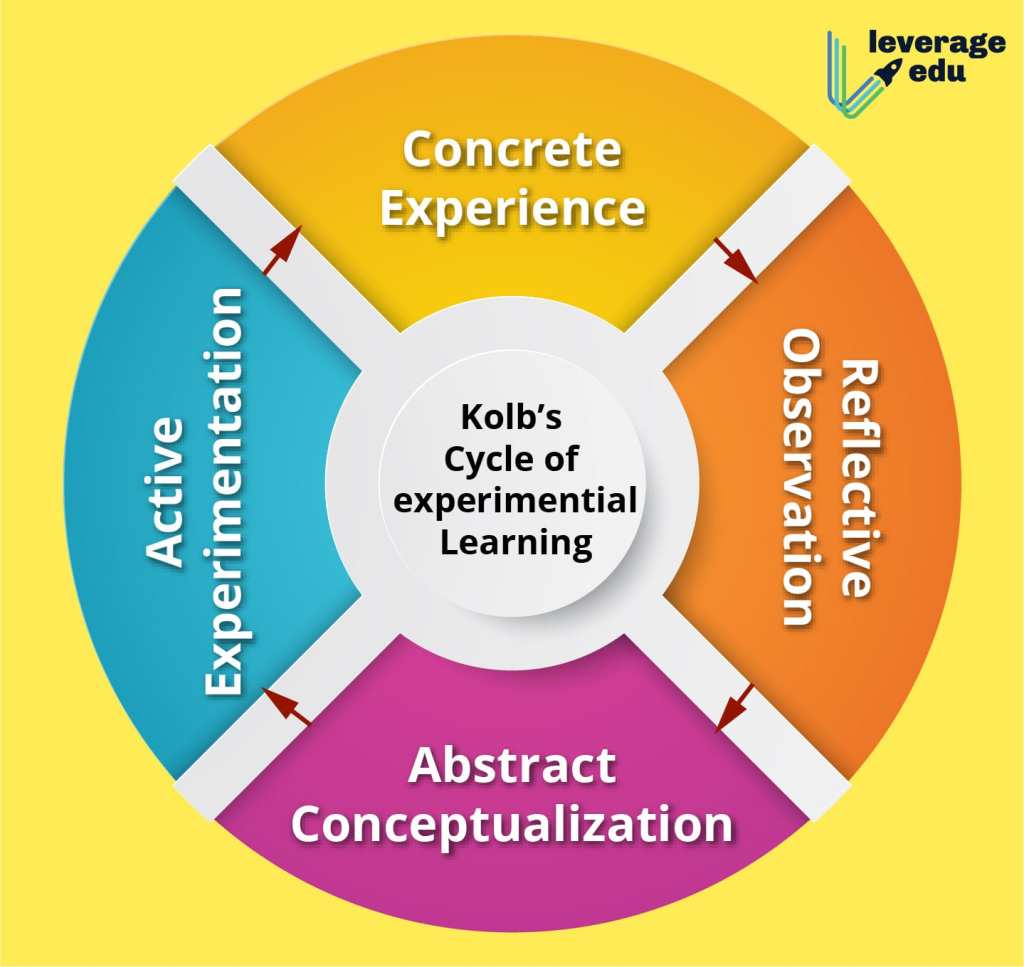
Experiential learning is an educational approach that focuses on hands-on experiences and practical application of knowledge. It is a student-centered approach that emphasizes active participation, reflection, and collaboration.
Experiential learning has been gaining popularity in recent years as educators seek to provide students with more engaging and meaningful learning experiences. Studies have shown that experiential learning can improve academic achievement, increase motivation and engagement, and develop important life skills such as critical thinking, problem-solving, and communication.
There are many different forms of experiential learning, including internships, service-learning projects, simulations, outdoor education programs, and project-based learning. These activities allow students to apply their knowledge in real-world situations and gain valuable insights into various industries or fields.
Internships are one form of experiential learning that provides students with the opportunity to work in a professional environment while still being supervised by a mentor or teacher. Many schools offer internship programs as part of their curriculum or through partnerships with local businesses or organizations.
Service-learning projects involve students working on community service projects while also integrating academic content into the experience. This type of experiential learning promotes civic engagement while also helping students understand how course material can be applied outside the classroom.
Simulations are another form of experiential learning where students engage in simulated environments to learn about complex systems or processes. For example, business simulation games can help students learn about marketing strategies or financial management skills by simulating real-life scenarios.
Outdoor education programs provide opportunities for hands-on experiences in natural settings such as camping trips or wilderness expeditions. These types of programs promote teamwork and leadership skills while also providing opportunities for physical activity and personal growth.
Project-based learning involves student-led inquiry projects where they investigate real-world problems using research methods such as surveys or interviews. This type of experiential learning fosters creativity and innovation while developing essential research skills necessary for success in college or career paths.
The benefits of experiential learning are many and varied. Students who participate in experiential learning activities have been found to be more engaged, motivated, and confident in their abilities. They also develop a deeper understanding of the subject matter through hands-on experiences that allow them to apply what they have learned.
Experiential learning can also help students develop essential life skills such as communication, teamwork, critical thinking, and problem-solving. These skills are highly valued by employers and are necessary for success in college or career paths.
Research has shown that experiential learning can improve academic achievement as well. A study conducted by the National Society for Experiential Education found that students who participated in internships had higher GPAs than those who did not.
In addition to improving academic outcomes, experiential learning can also benefit society as a whole. Many service-learning projects involve working with underserved populations or addressing social justice issues. Through these projects, students learn about the importance of civic engagement while also making a positive impact on their communities.
Some challenges associated with implementing experiential learning include limited resources, logistical difficulties coordinating field trips or internships, and ensuring that all students have access to these opportunities equally regardless of socioeconomic status or other factors.
Despite these challenges, many educators see the value of incorporating experiential learning into their curriculum. It is an approach that fosters deep learning through reflection and application rather than simply memorization and regurgitation of facts.
Overall, experiential learning is an effective educational approach that promotes student engagement, motivation, and development of important life skills. It is an approach that prepares students for success both academically and beyond school walls in their future careers or personal lives
 Alternative Amie
Leave a comment