Competency-Based Education: A Pathway to Success
Education has always been a vital component of personal and societal growth. It is the foundation upon which individuals develop their knowledge, skills, and abilities that enable them to lead successful lives. However, traditional education systems have faced criticism for not being able to meet the diverse needs of learners and prepare them adequately for the workforce.
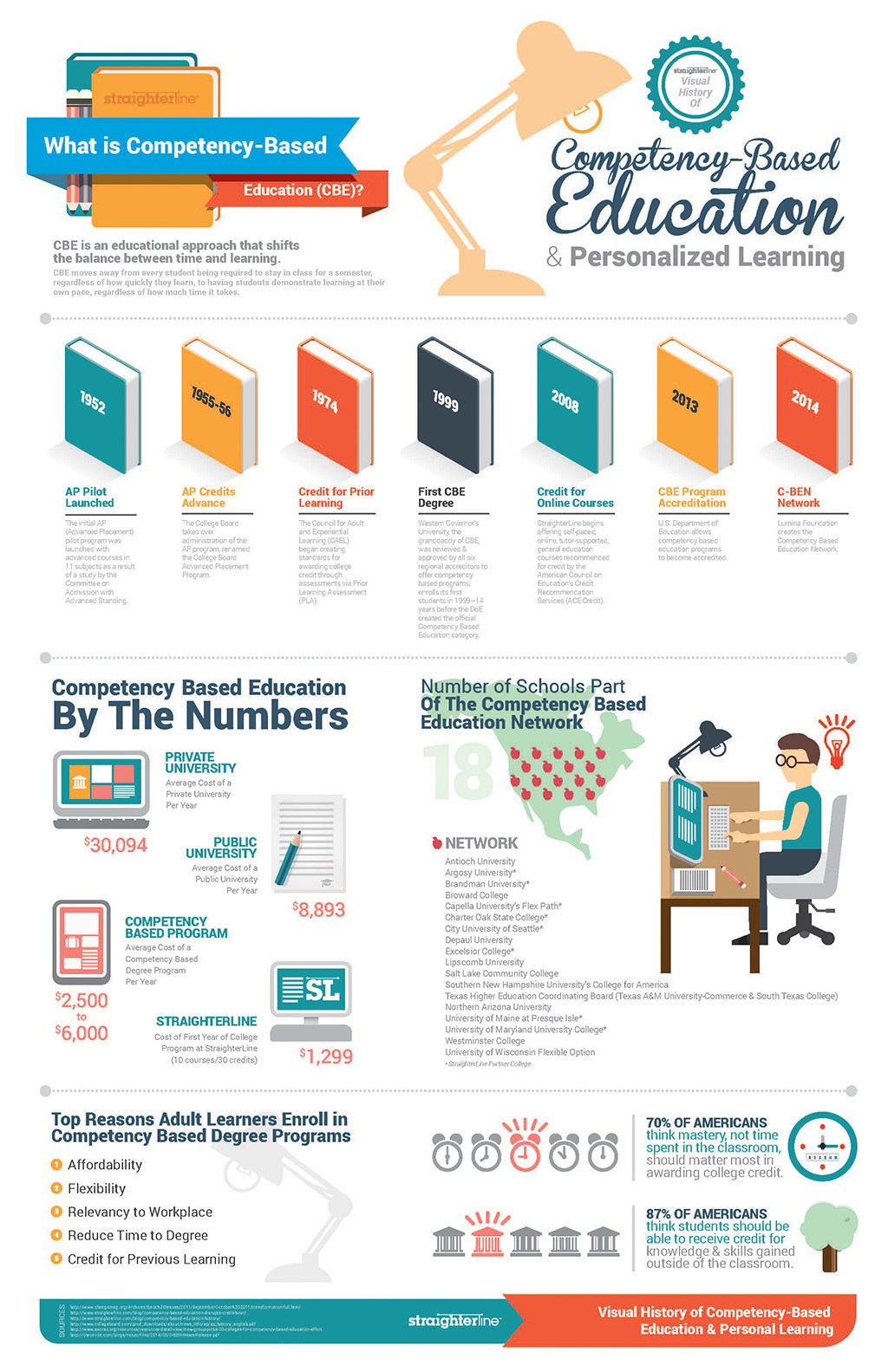
In recent years, there has been a growing interest in competency-based education (CBE) as an alternative approach to learning. CBE focuses on mastering specific skills or competencies rather than accumulating credits based on time spent in a classroom. It is designed to be flexible enough to accommodate different learning styles while ensuring that students acquire the necessary knowledge and skills for success.
So what exactly is Competency-Based Education?
Competency-based education is an approach to teaching and learning that emphasizes mastery of specific skills instead of completing courses or earning grades based on seat-time requirements. In other words, it’s a system where students can advance through their coursework at their own pace without having to wait for an entire semester or academic year.
The key features of CBE include personalized learning paths tailored to each student’s strengths and weaknesses, clearly defined competencies with measurable outcomes, regular assessments that provide feedback on progress towards mastery goals, and flexible pacing options depending on individual student needs.
Benefits of Competency-Based Education
1. Flexible Learning Paths
CBE provides flexibility in terms of how students learn by allowing them to personalize their educational journey according to their interests and priorities. As such, it caters more effectively than traditional schooling models do because it allows individuals who need extra support with certain subject areas more time before moving forward onto new topics.
2.Personalized Instruction
One significant advantage of CBE is its ability to offer personalized instruction based on individual learner profiles using data from assessments. This enables teachers/lecturers/facilitators/instructors/trainers/staff members etc., to develop tailored learning paths that align with each student’s needs and strengths.
3. Mastery-Based Learning
CBE emphasizes mastery-based learning, allowing students to focus on mastering specific skills or competencies rather than just accumulating grades. This approach provides a more in-depth understanding of the subject matter while ensuring that learners acquire the necessary knowledge and skills for success.
4. Efficient Time Use
The flexibility offered by CBE also allows learners to use their time more efficiently, as they can progress through courses at their own pace without having to wait for others or be held back by circumstances beyond their control.
5. Career Advancement
One of the most significant benefits of CBE is its ability to help individuals advance in their careers quickly. As such, it gives them an opportunity to demonstrate proficiency in key areas that employers are looking for, thereby opening up new career paths.
Challenges of Implementing Competency-Based Education
Despite its numerous advantages, there are some challenges associated with implementing competency-based education:
1. Technology Infrastructure
To successfully implement CBE programs requires robust technology infrastructure including high-speed internet connectivity, digital devices like laptops/desktops/tablets/smartphones etc., adequate software platforms/learning management systems (LMS), staff/trainer training/support structures and other tools needed for effective implementation.
2. Faculty Development
Faculty development represents another challenge because many instructors lack experience using technology effectively or may need additional support when it comes to designing curriculum content aligned with competencies measured via assessments within a CBE framework .
3.Maintaining Quality Standards
Maintaining quality standards when implementing Competency-Based Education is vital since it requires careful planning and execution from all stakeholders involved in delivering instruction/curriculum material assessments/results reporting etc., including instructional designers/faculty members/trainers/students/administrators/institutional leaders etc., who must ensure consistency across all program components throughout the implementation process.
Conclusion
Competency-based education has emerged as a viable alternative to traditional educational models. It is an approach that emphasizes the mastery of skills and competencies, providing learners with personalized learning paths tailored to their strengths and weaknesses. The system’s flexibility allows for efficient time use while enabling individuals to advance in their careers quickly.
While there are some challenges associated with implementing competency-based education, they can be overcome by ensuring robust technology infrastructure, faculty development/training, maintaining quality standards throughout implementation processes etc.
In conclusion, Competency-Based Education provides an opportunity for learners to achieve success by focusing on what they know rather than how long they spend learning it. With its emphasis on mastery-based learning and personalized instruction/learning paths aligned with each student’s needs/strengths/interests/priorities etc., CBE has the potential to transform education as we know it today.
 Alternative Amie
Leave a comment