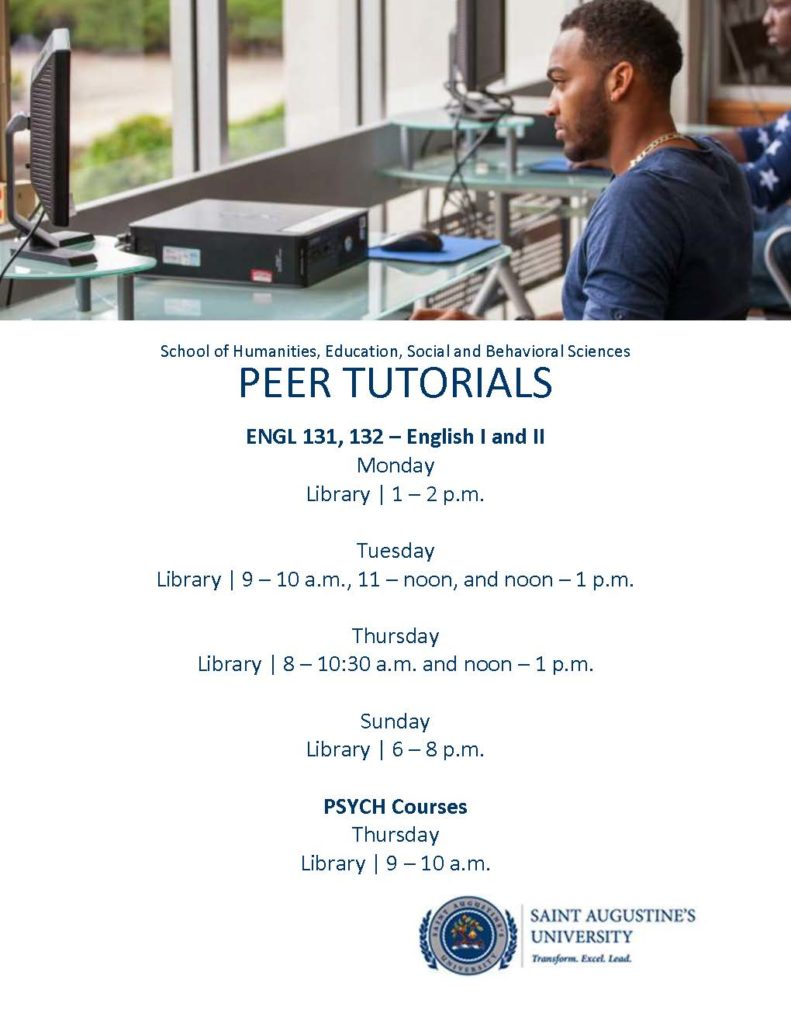
Peer Tutoring and Mentoring Programs for Students
Education is an essential aspect of life that shapes one’s outlook on the world, career prospects, and personal development. However, not all students have access to quality education through conventional means. Alternative schooling and education programs provide a pathway for students who require unique learning environments or require additional support to reach their full potential. Peer tutoring and mentoring are two such programs frequently used in alternative schooling.
Conceptually, peer tutoring involves more experienced or knowledgeable students providing assistance to less experienced peers in specific subject areas. The tutors use various teaching techniques to help the struggling students understand course material better. In contrast, mentoring focuses on cultivating long-term relationships between mentors (adults or senior students) and mentees (junior or younger students). The mentor provides guidance in academic, social-emotional growth throughout the school year.
Peer Tutoring Programs
Peer tutoring has become increasingly popular as a tool for improving student performance because it fosters a supportive learning environment where learners feel comfortable asking questions without fear of judgment from their teacher(s). It also allows tutors to reinforce their knowledge by explaining concepts to others while improving communication skills.
The first step when establishing a peer-tutoring program is identifying which subjects need additional support among your student population. This information can be gathered using test scores or feedback from teachers’ observations over time.
Once you establish the need for peer-tutoring programs, recruiting qualified student volunteers should begin immediately. Tutors must possess strong academic abilities in relevant courses; however, they must also exhibit patience, empathy towards other learners’ struggles with class content.
Training sessions for volunteer tutors are crucial components of successful peer-tutoring programs since they instill best practices regarding how to teach effectively and maintain confidentiality protocols when working with fellow classmates.
Moreover, scheduling regular meetings with participating tutors will aid in monitoring progress while offering guidance if necessary, ultimately ensuring that each tutor stays committed throughout the program’s duration.
One significant advantage of peer tutoring is that it allows learners to receive assistance from individuals who understand their academic struggles better. Peer tutors are closer in age to the students they help, making them more relatable and approachable than teachers. Furthermore, peer-tutoring programs can be cost-effective since volunteers offer their services without any monetary compensation.
Mentoring Programs
Mentoring programs complement peer-tutoring efforts by providing a long-term support system for students who require guidance beyond academic challenges. Mentors can provide vital support in developing essential life skills such as goal-setting abilities and decision-making skills while also offering emotional support when necessary.
The first step when establishing mentoring programs is identifying suitable mentors within the school community or partnering with external organizations that specialize in mentorship initiatives. Mentor qualifications should include being experienced educators or professionals who possess strong communication and interpersonal skills.
Once you have identified qualified mentors, pairing them with mentees based on compatibility, interests, and common goals is critical. It provides both parties with an opportunity to build rapport over time while fostering trust and open communication channels throughout the program’s duration.
Like peer tutoring programs, training sessions for participating mentors are crucial components of successful mentoring programs since they instill best practices regarding how to cultivate positive relationships with their mentees while maintaining confidentiality protocols at all times.
Moreover, scheduling regular meetings between mentors and mentees will aid in monitoring progress while offering guidance if necessary ultimately ensuring that each relationship stays committed throughout the program’s duration.
In conclusion, alternative schooling and education programs play a critical role in supporting student learning outcomes by providing tailored solutions for diverse needs. Peer tutoring and mentoring are two such interventions that have proven effective in improving student performance by creating supportive learning environments where students feel comfortable asking questions without fear of judgment from teachers or peers. These programs also offer opportunities for volunteerism among qualified student tutors/mentors seeking meaningful ways to contribute positively towards their communities’ growth.
 Alternative Amie
Leave a comment