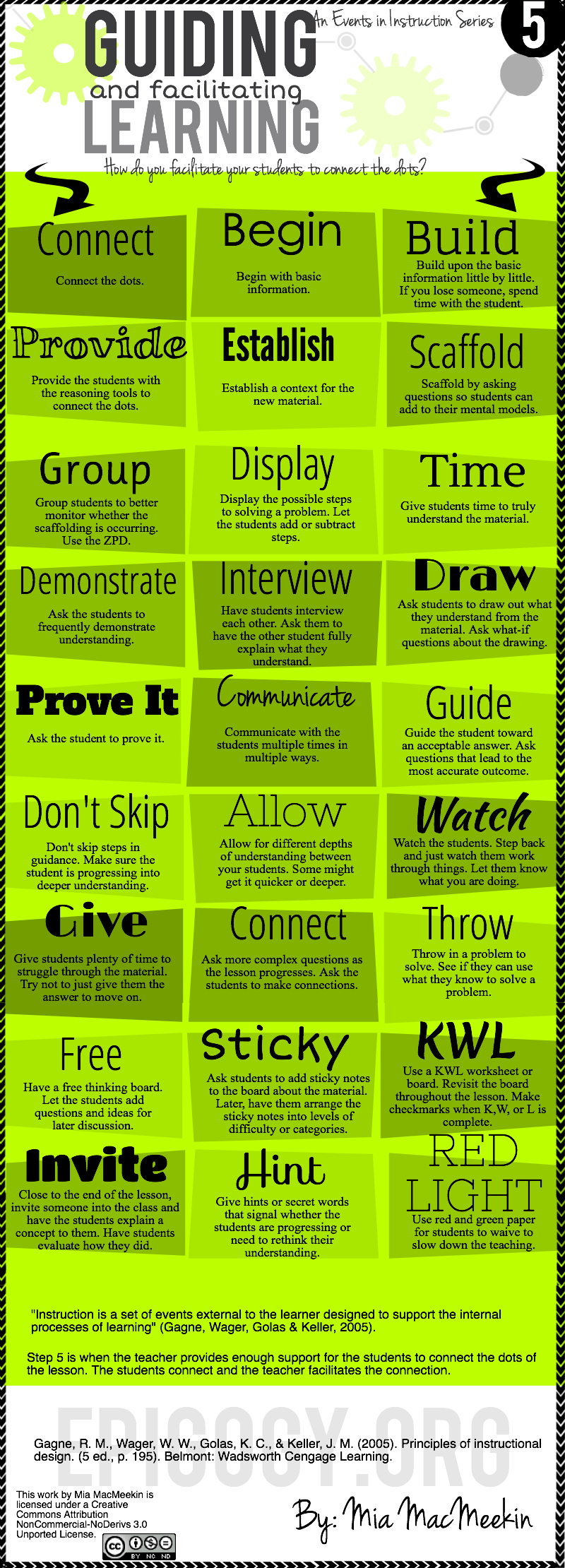
As the world evolves, so does education. Gone are the days when students were passively sitting in rows, listening to lectures without any interaction with their teachers or classmates. Today, educational experts and scholars believe that a teacher should be more of a facilitator of learning than just a mere lecturer.
In this post, we’ll outline eight reasons why teachers should act as facilitators of learning rather than traditional lecturers.
1) Encourages Active Learning
When teachers shift from lecturing to facilitating learning, they promote active engagement among students. Teachers who encourage active participation help students develop critical thinking skills and become independent learners. This approach fosters creativity and innovation since students are more likely to explore new ideas under less pressure.
2) Promotes Self-Directed Learning
Facilitating learning helps create self-directed learners who take ownership of their education. When teachers guide rather than dictate what’s taught in class, students learn how to set goals for themselves and identify areas where they need improvement. They can also use different resources such as books or online tools to enhance their knowledge outside the classroom.
3) Fosters Collaborative Learning
Collaboration is an essential skill that prepares students for success in life beyond school walls. Facilitating learning encourages collaboration between peers by allowing them to work on group projects or assignments together. Collaborative activities help develop interpersonal skills like communication, negotiation and teamwork which are vital in almost every aspect of life.
4) Enhances Critical Thinking Skills
Facilitated learning promotes inquiry-based teaching where students ask questions that challenge assumptions about topics being discussed in class. By asking open-ended questions during discussions or debates, teachers encourage critical thinking skills among students that help them analyze complex situations and make reasoned judgments.
5) Personalizes Education
Students come from diverse backgrounds with varying levels of understanding about specific subjects being taught at school; hence personalized instruction is crucial for effective teaching. Facilitated learning allows educators to tailor their approaches to meet individual needs. Teachers can provide personalized feedback and adjust their teaching methods based on the student’s progress, which enhances learning outcomes.
6) Encourages Student-Centered Learning
Facilitated learning encourages a student-centered approach to education where teachers act as guides rather than primary sources of information. When students are put in charge, they become more motivated and invested in their education because they feel like active participants rather than passive observers.
7) Promotes Inquiry-Based Teaching
Inquiry-based teaching is a method that encourages students to ask questions about what’s being taught in class. This method fosters curiosity among learners who seek answers through exploration and experimentation. Facilitating learning through inquiry-based teaching helps promote lifelong learning by inspiring students to think outside the box.
8) Enhances Student Confidence
When teachers facilitate learning, they empower students by giving them control over their own academic journey. Empowered learners tend to be more confident since they’re actively engaged in the process of acquiring knowledge and skills. Teachers who facilitate learning help build self-esteem by providing opportunities for success while minimizing failure.
Conclusion:
The concept of facilitation has revolutionized the way we teach and learn today; it promotes an interactive approach that empowers both teachers and learners alike. When educators shift from lecturing towards facilitating critical thinking, inquiry-based teaching, collaboration, personalized instruction with a focus on student-centeredness; enhanced confidence levels among students lead to improved academic performance along with many other positive outcomes beyond school walls such as social-emotional development or career readiness skills development that lay the foundation for success throughout life’s journey!
 Alternative Amie
Leave a comment