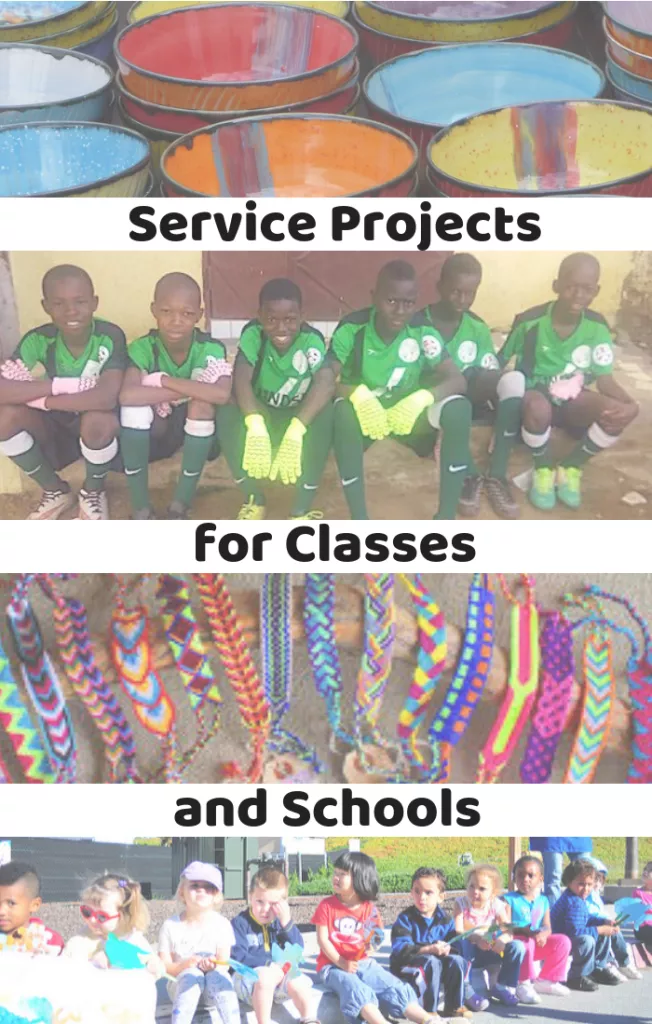
Service-Learning Projects: An Effective Way to Integrate Education and Community Service
The integration of community service and education has been a long-standing practice in many schools around the world. It is known as service-learning, which refers to an educational approach that combines meaningful community service with academic instruction.
Alternative schooling and education programs have recognized the benefits of this approach, integrating service-learning projects into their curricula. These programs aim to provide students with opportunities for personal growth and development while also contributing positively to their communities.
In this article, we will explore the benefits of service-learning projects for alternative schooling and education programs.
1. Enhances Personal Development
Service-learning projects help students develop important life skills such as leadership, problem-solving, critical thinking, teamwork, empathy, and communication skills. As they engage in various community activities such as food drives or fundraising events for charity organizations or environmental clean-up campaigns, they learn how to work effectively with others towards a common goal.
2. Promotes Civic Engagement
Service-learning projects encourage students to become involved in civic issues that affect their communities. Through these efforts, they gain first-hand experience on how social problems can be addressed through collective action. This exposure fosters a sense of civic responsibility among them at an early age.
3. Increases Academic Performance
Research shows that students who participate in service learning projects perform better academically than those who do not engage in any form of community-based participation activities. This is because these activities provide real-world practical experiences that complement classroom learning by making it more relevant and applicable.
4. Provides Career-Related Experience
Through participating in activities like job shadowing or internships related to their future career goals; students gain valuable hands-on experience before graduation which helps them prepare for employment post completion of school requirements.
5. Helps Students Discover Their Passions
Service-learning projects expose students to different aspects of society which help them discover what interests them most outside traditional academics. Through these projects, students can explore different career paths and know what they are passionate about.
6. Creates a Positive Relationship between School and Community
Service-learning projects promote positive relationships between schools and communities. These partnerships create opportunities for community members to share their skills with students while providing meaningful service to the community.
7. Fosters Cultural Awareness
Service-learning projects help students gain exposure to diverse cultures and perspectives which in turn fosters cultural awareness among them at an early age.
In conclusion, service-learning projects offer numerous benefits that positively impact alternative schooling and education programs as well as the wider community. Incorporating these activities into school curricula should be encouraged as it not only enhances learning but also promotes social responsibility among young people from an early age.
 Alternative Amie
Leave a comment