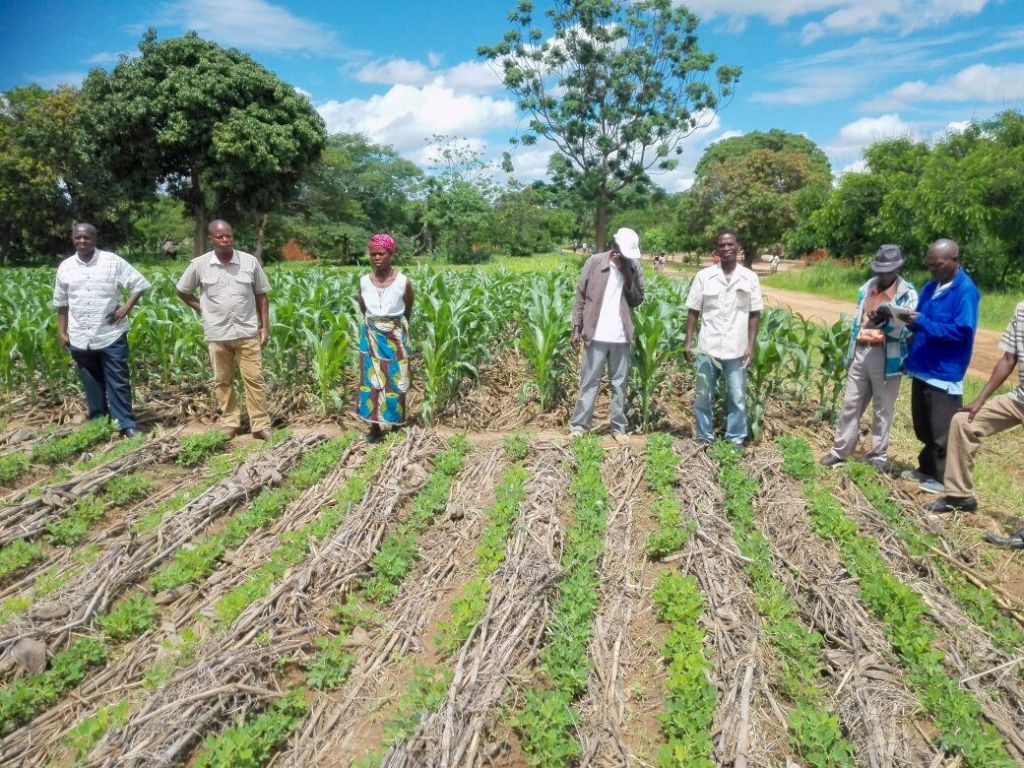
Agriculture and farming practices have been around for thousands of years. Today, modern agriculture has evolved to meet the needs of a growing population while also taking into account environmental concerns. Alternative schooling and education should include information about sustainable and ethical farming practices that can help students understand how food is grown, processed, and distributed.
Here are 15 agricultural practices that promote sustainability, animal welfare, healthier soil, and lower carbon emissions:
1. Regenerative Agriculture: This approach focuses on rebuilding soil health by using cover crops, crop rotations, composting, reducing tillage and chemical inputs.
2. No-till Farming: By minimizing soil disturbance during planting or harvesting operations farmers can retain more moisture in the soil which increases yields while also improving the quality of the soil with time.
3. Crop Rotation: Alternating crops not only helps conserve nutrients in the soil but also reduces pests buildup resulting in better harvests.
4. Companion Planting: Growing different plants together can improve their yields by enhancing pest control or attracting beneficial insects.
5. Integrated Pest Management (IPM): This method uses natural predators like birds and bugs to keep pests under control without using harmful pesticides or chemicals
6. Agroforestry: Incorporating trees into agricultural landscapes can provide economic value through timber production as well as sequester carbon from the atmosphere
7. Permaculture: A design system that integrates diverse plant species to create self-sustaining ecosystems that mimic nature’s patterns
8. Aquaponics & Hydroponics- These two indoor growing systems use water instead of conventional soils to cultivate vegetables all year round irrespective of weather conditions outside
9.Rotational Grazing – Moving livestock from one field to another improves grassland biodiversity while providing fresh pasture for livestock
10.Biodynamic farming – this holistic approach emphasizes building healthy soils through compost preparation & application techniques combined with crop rotations guided by lunar cycles
11.No Synthetic Chemicals: This includes the use of fertilizers, herbicides and pesticides which can have a negative effect on human health as well as the environment.
12.Local food production & distribution – Reducing transportation distances by consuming locally grown produce helps to reduce carbon emissions
13. Agroecology: A scientific approach that studies how ecological systems interact with agricultural practices.
14.Seed Saving- this involves collecting seeds from plants each season to plant in subsequent years thus preserving crop diversity and reducing reliance on genetically modified organisms (GMOs)
15.Ethical Treatment of Animals – Modern farming techniques often result in animals being treated poorly. Alternative methods ensure humane treatment of farm animals while still providing high-quality meat and dairy products.
Alternative education institutions should provide students with an opportunity to learn about sustainable agriculture practices such as those mentioned above, so that they can make informed decisions about their food choices and contribute to a healthier planet for future generations.
 Alternative Amie
Leave a comment