Self-Directed Learning: A Guide to Alternative Education
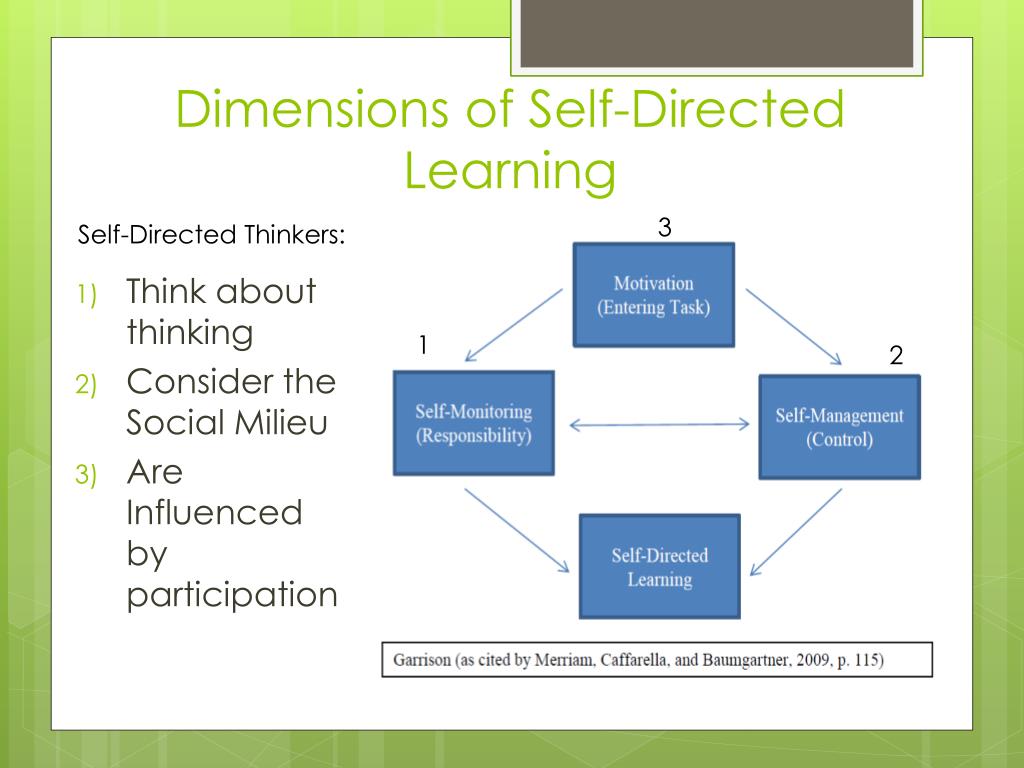
Self-directed learning is an educational approach that prioritizes the learner’s autonomy and self-motivation. It is a form of education that differs from traditional schooling in that it allows learners to take control of their education, pace, and curriculum. This alternative way of learning has gained traction over the years as more parents seek ways to ensure their children receive quality education without necessarily following the mainstream system.
Unlike conventional classrooms where teachers dictate what students learn, self-directed learning offers learners the freedom to choose what they want to learn. Instead of being lectured on subjects, topics or assignments are presented through various media such as books, videos, documentaries, podcasts among others. Students can then explore these concepts independently at their own pace using resources such as online courses or textbooks.
One key aspect of self-directed learning is fostering critical thinking skills in learners. Since they are not spoon-fed information by teachers but rather tasked with discovering knowledge for themselves; this approach encourages deeper understanding and analysis of concepts learned. It also promotes creativity since there are no rigid rules on how things should be done; this allows students to develop unique solutions based on personal perspectives.
Another benefit of self-directed learning is flexibility in scheduling and time management. With no fixed timetable imposed by school systems – a student can have the freedom to pursue other interests outside academics while still completing required coursework on their own terms at a time that suits them best.
The role played by the educator in self-directed learning varies significantly compared to traditional teaching methods where instructors play a central role in imparting knowledge. In this approach, educators serve more as facilitators than authority figures- providing guidance when needed instead of taking charge of instruction delivery entirely.
As such open communication channels between teacher and student become essential so that both parties stay aware of progress made towards set goals; feedback loops help identify areas requiring improvement or additional support from either party involved.
While Self-Directed Learning is an excellent alternative to traditional education, it’s not for everyone. It requires a high level of motivation, discipline and self-awareness; qualities that are essential to achieve success in this approach.
Self-Directed learning can be implemented in different environments such as homes, community centers or online platforms. Some schools have also begun integrating this approach into their curricula- offering students the best of both worlds by combining elements of traditional schooling with self-directed learning.
In conclusion, Self-Directed Learning offers learners the freedom to learn at their own pace while developing critical thinking skills and creativity. Its flexibility makes it an attractive alternative to traditional schooling systems. However, like any educational approach- its suitability depends on individual needs and preferences.
 Alternative Amie
Leave a comment