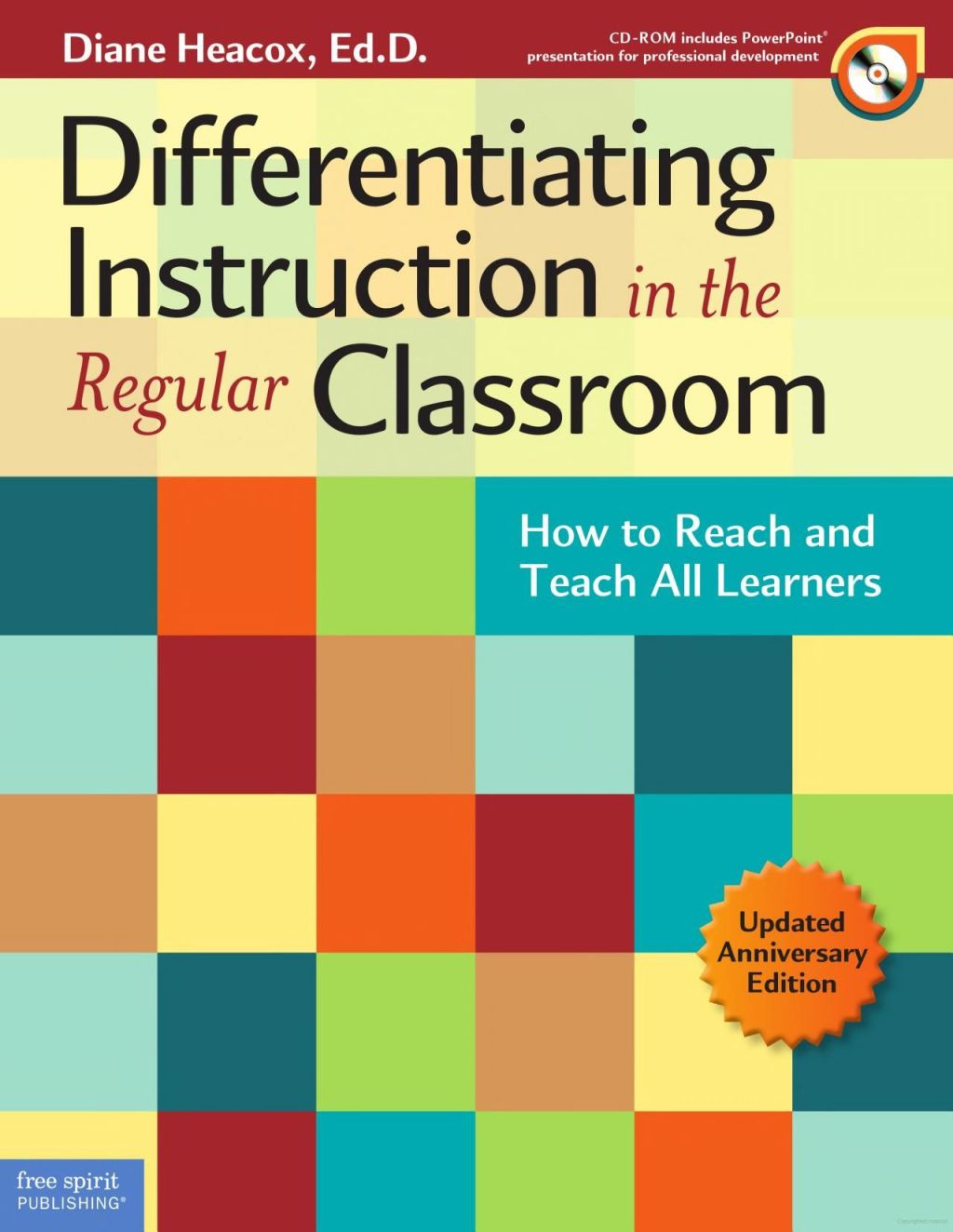
Differentiated instruction is a teaching approach that focuses on providing different learning experiences and opportunities to students with diverse abilities, interests, and learning styles. This approach recognizes that every student has unique needs and preferences for learning, which requires teachers to adapt their teaching methods accordingly.
The main goal of differentiated instruction is to ensure that all students have access to challenging and meaningful learning experiences that are tailored to their individual strengths and weaknesses. It involves creating a classroom environment where students are actively engaged in the learning process, encouraged to take risks, challenge themselves, and develop critical thinking skills.
In a differentiated classroom setting, teachers use various instructional strategies such as flexible grouping, tiered assignments, independent study projects, choice boards, and interest-based activities. These techniques help address different levels of readiness among learners by providing individualized support for struggling students while challenging advanced learners.
Moreover, differentiated instruction encourages collaboration among peers by promoting teamwork on group projects or in pairs. Students who work together can benefit from shared knowledge transfer between them because they offer each other feedback while also gaining insight into different perspectives.
One significant advantage of using differentiation approaches is its effectiveness in meeting the needs of English Language Learners (ELLs) who may struggle with language acquisition or cultural adjustment in school settings. Differentiation techniques like visual aids or modeling provide ELLs with additional support beyond what traditional textbooks may provide.
Differentiated instruction also provides an inclusive environment for special education students who require accommodations or modifications based on their Individualized Education Program (IEP). Incorporating multiple means of representation through videos or audios can help these students access information more comfortably while addressing their specific needs.
Finally yet importantly- implementing differentiated instruction requires planning ahead of time; it takes careful consideration in selecting appropriate resources needed for effective implementation. Teachers must consider factors such as student’s interests/abilities when designing lessons plans since not everyone learns at the same pace or responds well to particular methodologies
In conclusion: Differentiated Instruction provides a student-centered approach to learning that addresses individual differences in ability, learning style, and interest among students. It encourages teachers to create an inclusive classroom environment that caters for all learners’ needs while promoting teamwork and critical thinking skills. The implementation of differentiated instruction can have a positive impact on student outcomes by increasing motivation, engagement, and academic achievement while creating a sense of community in the classroom.
 Alternative Amie
Leave a comment