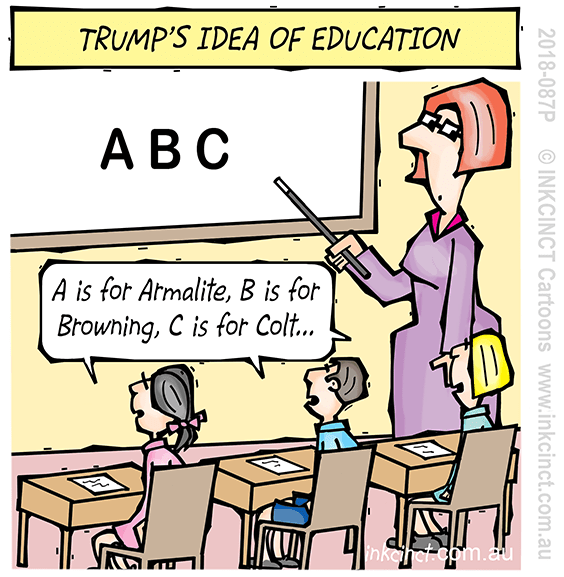
Comedy and satire have been used throughout history to convey important messages, critique societal norms, and create a sense of community. In alternative schooling and education, these narratives can be powerful tools to engage students in critical thinking and encourage them to question the world around them.
Satire is a form of comedy that uses irony, sarcasm, and exaggeration to ridicule human vices or shortcomings. This type of humor can be particularly useful in alternative education because it allows students to explore complex topics through an accessible lens. For example, Jonathan Swift’s “A Modest Proposal” uses satire to criticize British policies towards Ireland by suggesting that Irish children should be sold as food for wealthy English families. While the idea is clearly absurd, it highlights the cruelty of colonialism and raises questions about power dynamics between different groups.
Similarly, comedic narratives can also serve as effective teaching tools by engaging students in fun and entertaining ways. In her book “The Absolutely True Diary of a Part-Time Indian,” author Sherman Alexie uses humor to address serious issues faced by Native American communities such as poverty, alcoholism, and racism. By presenting these topics through the eyes of a teenage protagonist who navigates life on the reservation while attending an all-white school off-reservation, readers are able to empathize with struggles they may not have experienced themselves.
In addition to being educational resources themselves, comedy and satire also provide opportunities for students to create their own narratives using these techniques. Through writing assignments or improv exercises like creating skits based on current events or societal issues; students are able to hone their creative skills while learning how humor can be used for activism.
It is worth noting that while comedy and satire can be incredibly effective teaching tools; they must also be used responsibly so as not perpetuate harmful stereotypes or contribute further harm against marginalized communities. Teachers must approach these materials with sensitivity; providing context when necessary so that students understand the underlying message without perpetuating harmful ideas.
In conclusion, comedy and satire are powerful storytelling tools that can serve as effective resources for alternative schooling and education. They provide students with engaging ways to approach complex topics while also encouraging critical thinking skills. By incorporating these narratives into the classroom; teachers can foster a sense of community among students while helping them develop important life skills that will serve them well beyond their academic years.
 Alternative Amie
Leave a comment