Critical Thinking Skills: A Guide to Building Lifelong Learning and Problem-Solving Abilities
In today’s fast-paced world, critical thinking skills are essential for success in both personal and professional endeavors. The ability to think critically enables individuals to analyze information, evaluate arguments, and make informed decisions. As such, it is a vital skill that must be developed from an early age.
Alternative schooling and education systems provide the perfect environment for nurturing critical thinking skills. These non-traditional learning environments encourage students to become independent learners who can use their reasoning abilities to solve problems creatively.
So what exactly is critical thinking? Critical thinking refers to the process of analyzing information objectively and making reasoned judgments based on evidence. It involves evaluating arguments logically, recognizing biases or fallacies in reasoning, considering multiple perspectives before arriving at a conclusion, and communicating ideas effectively.
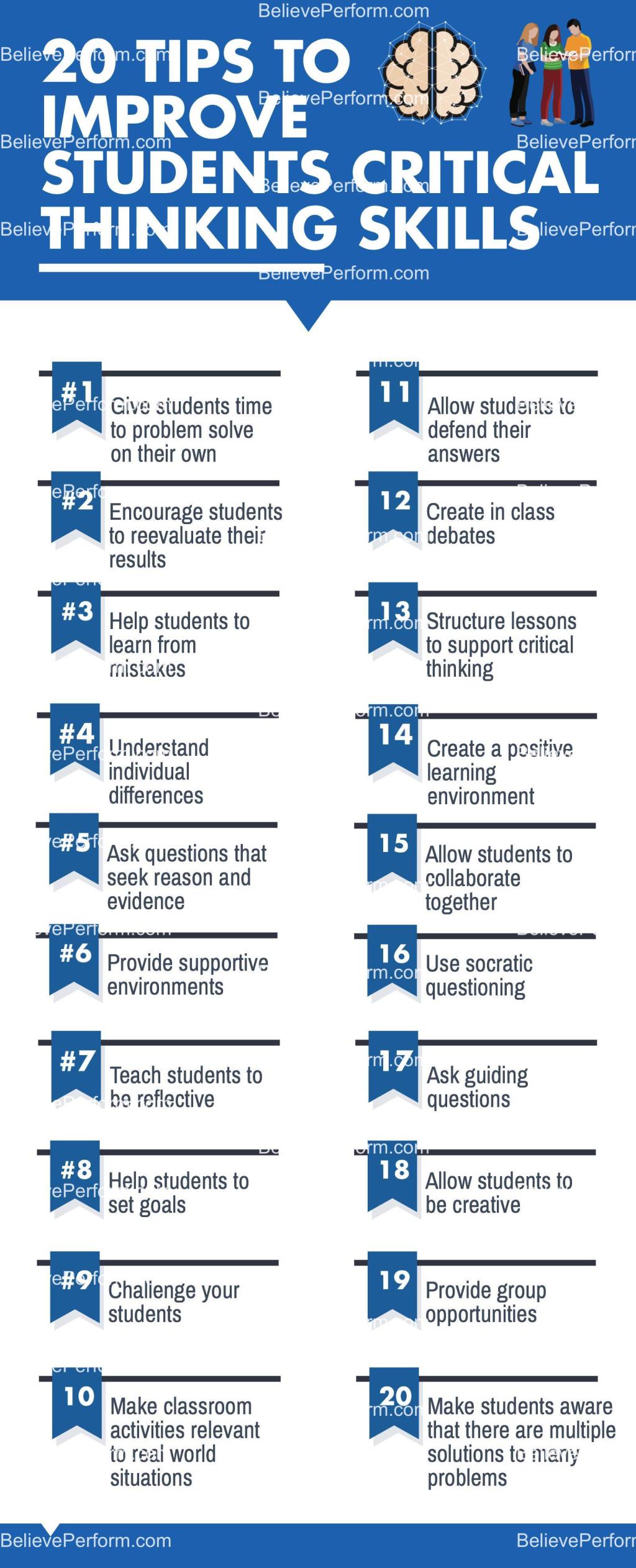
Here are some strategies that educators can use to help develop critical thinking skills among students:
1. Encourage Open-Mindedness
The first step towards developing critical thinking skills is encouraging open-mindedness among learners. Students should be encouraged to question assumptions they hold about various topics; this helps them consider alternative viewpoints while challenging their existing beliefs.
Teachers may also expose their pupils to diverse opinions by incorporating materials with different perspectives into class discussions or lessons.
2. Teach Analytical Skills
Analyzing data sets is one of the main components of critical thinking; therefore teaching analytical skills is crucial when developing these abilities in learners. Teachers should teach students how information can be interpreted differently depending on context or perspective.
Students should learn how data analysis works through hands-on activities such as conducting experiments or analyzing case studies where they have access only limited pieces of information necessary for decision-making
3. Promote Curiosity
Curiosity drives people forward by compelling them into seeking knowledge beyond what’s presented directly around them; consequently promoting curiosity contributes significantly towards building lifelong learning habits that enable one’s growth throughout life.
Encouraging curiosity fosters critical thinking skills by prompting students to ask questions that lead to deeper learning experiences. Teachers can encourage this by allowing space for exploration, encouraging learners to conduct independent research and giving them opportunities for self-discovery.
4. Foster Creativity
Encouraging creativity through assignments or projects is another way of developing critical thinking skills among learners. This method enables students to come up with new ideas, explore existing ones from different angles, and apply their reasoning abilities in generating creative solutions.
Teachers should create an environment that encourages risk-taking; learners should be allowed the freedom of trial and error without fear of judgment or ridicule. Teachers can also use brainstorming sessions where students are encouraged to generate innovative ideas on various topics.
5. Teach Problem-Solving Skills
Problem-solving is a vital component of critical thinking as it involves analyzing information and synthesizing it into workable solutions. Teaching problem-solving strategies such as breaking down complex problems into smaller components, considering multiple perspectives, examining potential outcomes before making decisions helps develop these skills in learners.
Students should be given real-life scenarios where they need to come up with practical solutions using the knowledge gained through previous lessons or activities.
6. Encourage Debate and Discussion
Debating issues and engaging in discussions promotes critical thinking by providing opportunities for exploring multiple perspectives while exposing one’s biases or fallacies in reasoning – leading towards broader understanding on various topics.
Teachers can facilitate class discussions where students are encouraged to present their opinions on various issues while listening carefully to opposing viewpoints presented by others critically.
7. Promote Communication Skills
Effective communication is essential when developing critical thinking abilities since it involves conveying ideas clearly so that others understand them well enough for evaluation purposes.
Incorporating writing assignments like essays or reports encourages reflection, synthesis, analysis of data sets- therefore building effective communication skills necessary for better performance at school/workplace environments.
Conclusion
Critical Thinking Skills are essential tools individuals must possess to succeed in personal and professional life. Nurturing these skills among learners requires educators’ deliberate efforts, providing an environment that fosters independent thinking, open-mindedness, analytical skills, curiosity, creativity, problem-solving strategies while promoting healthy communication through debate and discussion.
Alternative schools and education systems provide suitable grounds for nurturing these abilities since they allow teachers to impart knowledge using unconventional methods that promote critical thinking explicitly. By developing lifelong learning habits early on in a student’s journey towards growth and development, it enables them to stay at the forefront of their fields throughout their careers.
 Alternative Amie
Leave a comment