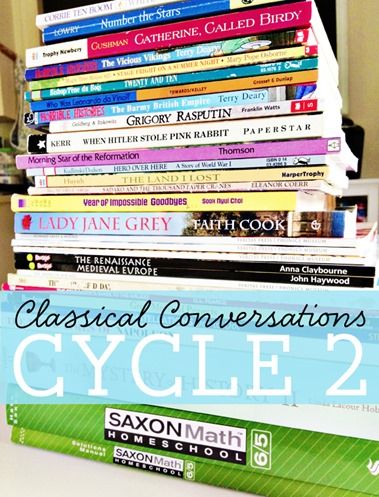
Great Books Curriculum: A Top 10 List of Must-Reads
Alternative schooling and education are becoming increasingly popular as parents seek unique educational experiences for their children. One such approach is the Great Books curriculum, which focuses on classic literature and philosophical texts to enhance critical thinking skills, analytical abilities, and cultural knowledge in students.
Here is a top 10 list of great books that should be part of any Great Books curriculum:
1. The Iliad by Homer – An epic poem about the Trojan War, this work has had an immense impact on Western literature. It explores themes of honor, pride, loyalty, and fate while showcasing the power of storytelling.
2. The Republic by Plato – This foundational text in Western philosophy discusses justice, political systems, and human nature through a series of Socratic dialogues. It challenges readers to analyze their own beliefs and assumptions about society.
3. Meditations by Marcus Aurelius – Written as a personal diary for self-reflection rather than publication, this stoic philosophical work provides practical advice on how to live a virtuous life with grace under pressure.
4. The Divine Comedy by Dante Alighieri – Composed during the late Middle Ages in Italy, this allegorical poem follows Dante’s journey through Hell (Inferno), Purgatory (Purgatorio), and Paradise (Paradiso). It addresses theological concepts like sin and redemption while also exploring politics and love.
5. Don Quixote by Miguel de Cervantes – This satirical novel tells the story of Alonso Quijano who becomes so enamored with chivalric romances that he sets out to become a knight himself despite his lack of training or resources. It critiques romanticism while highlighting the importance of imagination.
6. Pride & Prejudice by Jane Austen – A quintessential English novel set in Regency-era England where Elizabeth Bennet navigates social norms while finding love with Mr. Darcy. It showcases Austen’s wit, social commentary, and insight into human nature.
7. Heart of Darkness by Joseph Conrad – This novella takes place in the Belgian Congo during the height of colonialism and explores themes of imperialism, racism, and morality through the story of Marlow’s journey upriver to find the enigmatic Kurtz.
8. The Wasteland by T.S. Eliot – A modernist poem that reflects on the disillusionment and fragmentation following World War I. It uses a variety of literary techniques to create a collage-like structure while also referencing mythology, history, and religion.
9. The Second Sex by Simone de Beauvoir – An influential feminist work that challenges traditional notions of gender roles as socially constructed rather than innate or biological. It critiques patriarchy while advocating for women’s liberation and equality.
10. 1984 by George Orwell – A dystopian novel set in a totalitarian society where Big Brother watches over citizens’ every move through technology like telescreens, Thought Police, and Newspeak language manipulation. It warns against totalitarianism while highlighting the importance of freedom and individuality.
The Great Books curriculum is not just about reading these works but also engaging in discussions with peers about them to develop critical thinking skills further actively. Instructors should facilitate these conversations using open-ended questions that promote deeper reflection on each text’s themes, characters’ motivations, cultural contexts in which they were written or how they relate to contemporary issues today.
While this top 10 list is not exhaustive nor definitive concerning what constitutes “great” literature or philosophy texts worth reading within a Great Books curriculum framework – it represents an excellent starting point for anyone interested in exploring classic literature across different genres from various time periods around the world.
Moreover, one can expand this list based on their interests or needs depending upon their students’ ages/grades levels who are participating in such programs as part-time enrichment courses after school or full-time alternative education during regular school hours.
 Alternative Amie
Leave a comment