Sustainable Design and Upcycling
Sustainability is an important concept in modern living. It’s about reducing our carbon footprint, minimizing waste production, and making the most of available resources. Sustainable design is one way to achieve this goal by using eco-friendly materials that are recyclable or biodegradable. Upcycling takes it a step further by reusing unwanted items creatively instead of throwing them away.
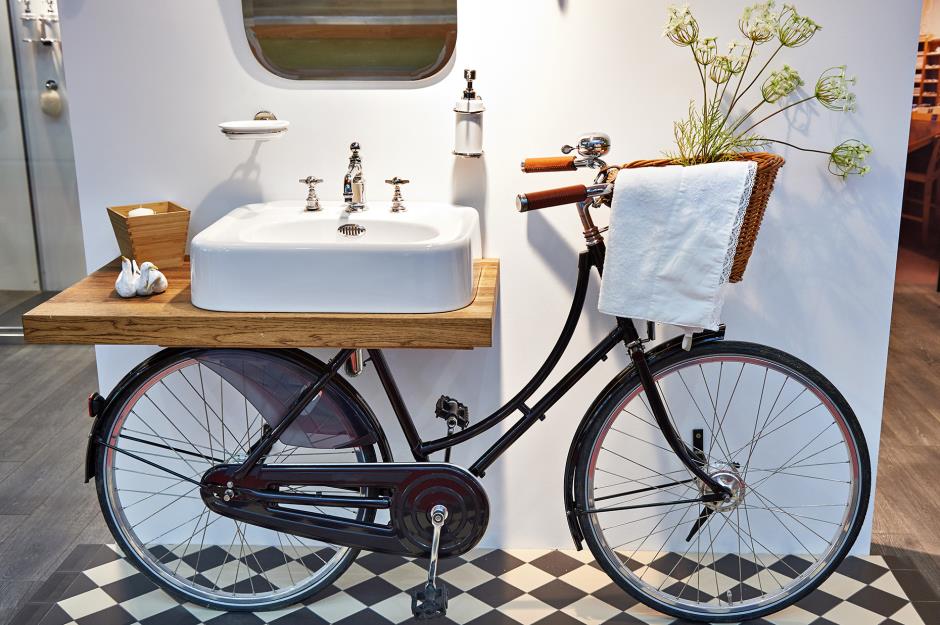
Upcycling helps reduce environmental pollution caused by disposing of waste improperly. Instead, we can turn old clothes into patchwork rugs, wine bottles into lamps, or bicycle parts into furniture. The possibilities are endless with upcycling! It also fosters creativity and encourages individuality as each piece is unique.
Sustainable design incorporates eco-friendly products like recycled plastic or bamboo instead of traditional materials such as wood or metal. Examples include solar-powered homes that use natural light for illumination and organic vegetable gardens grown without pesticides.
Incorporating sustainable design elements in schools reinforces these values among students who will grow up to be environmentally conscious citizens of tomorrow. For example, schools can use energy-efficient lighting systems installed with motion sensors that turn off when no one is present in the room.
In conclusion, sustainable design and upcycling have many benefits for both individuals and society at large – from reducing waste to fostering creativity while creating beautiful new items out of old ones. By incorporating these concepts into education curricula, we can instill good habits in our children early on so they may become responsible stewards of the earth later on in life.


 Alternative Amie
Leave a comment