Project-Based Learning: A Revolutionary Approach to Education
Education has undergone a significant transformation in recent years, with Project-Based Learning (PBL) emerging as a revolutionary teaching approach. This method of education involves students working on real-world projects that require them to integrate and apply knowledge from various subjects. PBL is now being embraced by schools worldwide as an effective way of providing learners with the skills and knowledge required to succeed in the 21st century.
The traditional education system tends to focus mainly on textbooks, lectures, tests, and exams, which can limit the development of critical thinking skills and creativity among students. PBL offers a more engaging way for students to learn by encouraging them to take ownership of their learning process while instilling important values like teamwork, communication, problem-solving abilities, and time management skills.
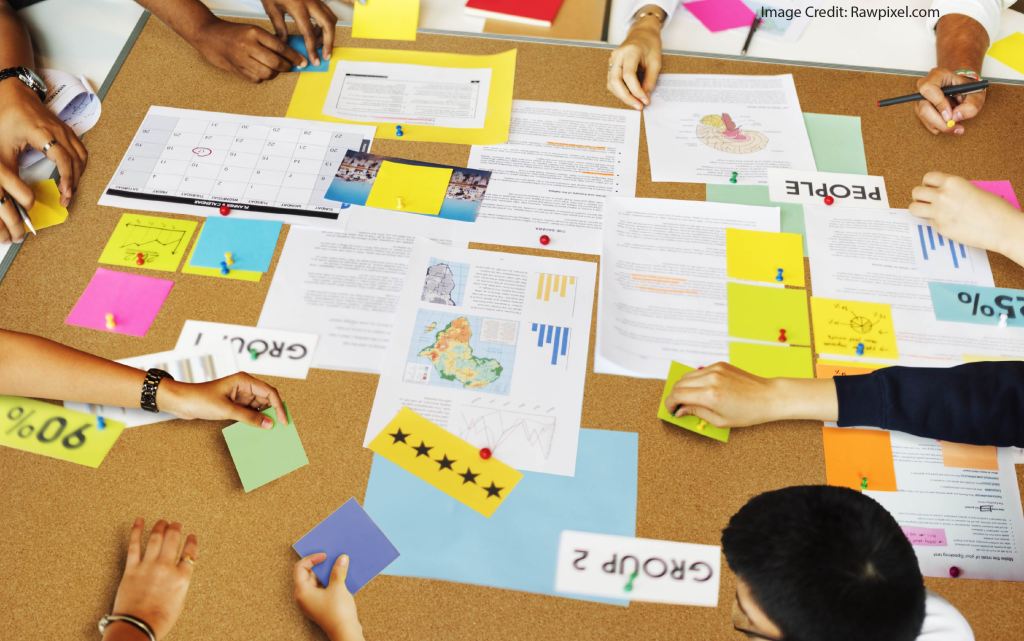
In PBL classrooms, teachers act as facilitators rather than instructors. Students are grouped together based on their interests or skill sets into teams that work collaboratively throughout the project duration. The teacher provides guidance and support as needed but allows students ample room for self-directed learning.
One significant benefit of this approach is that it enables learners to apply what they have learned in practical situations that reflect real-life scenarios. For instance, if studying geography or history in class through a project-based approach could lead students towards researching historical monuments or geographical features such as mountains or rivers located nearby then visiting those places physically which will make their learning experience more meaningful.
Furthermore, PBL promotes critical thinking skills by requiring learners first to identify problems before seeking solutions actively. It also encourages creativity because there are no right answers; instead, there are numerous ways one can solve problems using different approaches within the scope of each student’s unique strengths.
Lastly yet importantly – another advantage of Project-Based Learning is its ability to cater for different types of learners – visual/tactile/auditory/kinesthetic- allowing every student regardless of their learning style preference an opportunity to participate fully and engage in the project.
In conclusion, Project-Based Learning is an innovative approach to education that prepares learners for success in today’s society. It provides students with the skills they need to think critically, collaborate effectively and solve problems creatively. By integrating real-world applications into learning, PBL creates a more meaningful experience for students while promoting self-directed learning. As such, it has become a popular choice among alternative schools seeking to offer their students a unique and effective learning experience.
 Alternative Amie
Leave a comment