Project-Based Learning: Because Worksheets are so 20th Century
Remember back in school when you would have to sit through long lectures and take notes? Then, you’d go home with a stack of worksheets and pages to read, only to repeat the process the next day. Yeah, we don’t miss those days either.
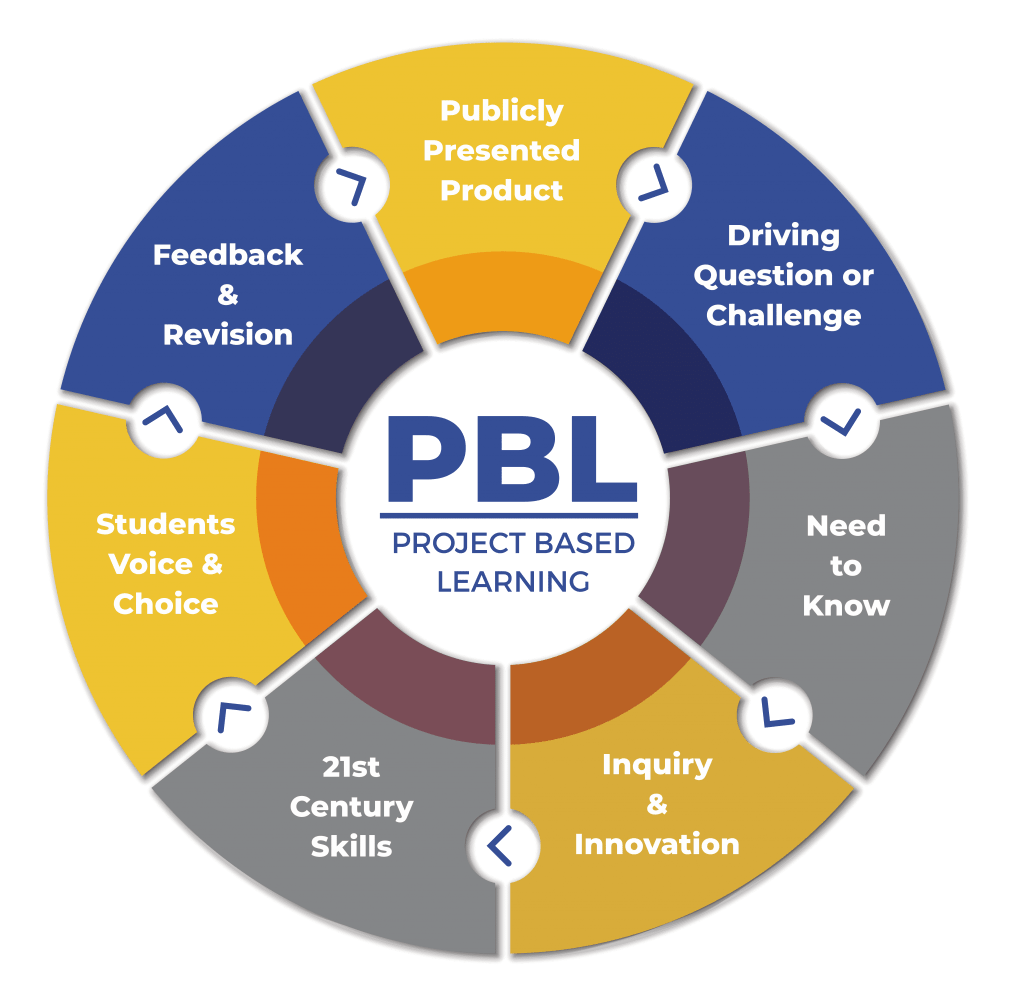
Luckily, there is a new way of learning that has taken over the education world in recent years – Project-Based Learning (PBL). PBL is an educational approach that focuses on students working cooperatively on projects or real-world problems. The goal is for students to gain knowledge through active exploration and hands-on experiences rather than just memorizing facts from textbooks.
Here’s how it works:
1. Start with a question or problem
The first step in any PBL project is choosing a driving question or problem for students to explore. This should be open-ended and thought-provoking enough that students will need to do research and work collaboratively to find solutions.
For example, let’s say the driving question is “How can we reduce plastic waste in our community?” Students would then begin researching current plastic waste practices and brainstorming ideas for reducing plastic use.
2. Plan out the project
Once the driving question has been established, it’s time for students to plan out their project. They’ll need to decide what resources they’ll need, who will be responsible for each aspect of the project, and create a timeline for completion.
This stage requires collaboration between team members as they may have different ideas about how best to tackle the problem at hand.
3. Research & Exploration
With their plan in place, it’s time for students dive into their research! This could include conducting interviews with experts on sustainable living or visiting local businesses who promote eco-friendly products.
Students might also choose alternate methods such as field trips or hands-on experiments where they can learn by doing rather than just reading information from books.
4. Create a Solution
After gathering information and researching various solutions, students come up with their own ideas to solve the problem at hand. They’ll need to think critically about how to implement these ideas, considering factors like cost, feasibility, and community impact.
In our plastic waste example, students might propose solutions such as creating recycling programs or encouraging local businesses to switch to compostable or biodegradable packaging.
5. Share & Present Findings
Finally comes the fun part – sharing their findings! Students will present their research and solutions in a creative way that shows off all of their hard work over the course of the project.
This could be anything from making posters or videos demonstrating how we can reduce plastic use in our community or speaking out on social media platforms.
So why is PBL better than traditional teaching methods?
Well, for starters it’s much more engaging for students. Instead of just sitting through lectures and taking notes they get hands-on experience solving real-world problems. This approach also encourages creativity by allowing them to come up with unique solutions based on original thinking rather than just memorizing information from textbooks.
Another benefit is that this method promotes teamwork and collaboration between classmates, which are skills that will serve them well later in life when working on projects with colleagues or clients.
Finally, PBL allows for differentiation among learners since each student works at his/her level within teams while being guided by teachers who act as facilitators rather than lecturers.
Overall Project-Based Learning is changing education for the better by promoting creativity, critical thinking skills while providing an engaging platform where real-world issues can be solved collaboratively using knowledge gained through exploration!
 Alternative Amie
Leave a comment