Project-Based Learning: A Comprehensive Guide
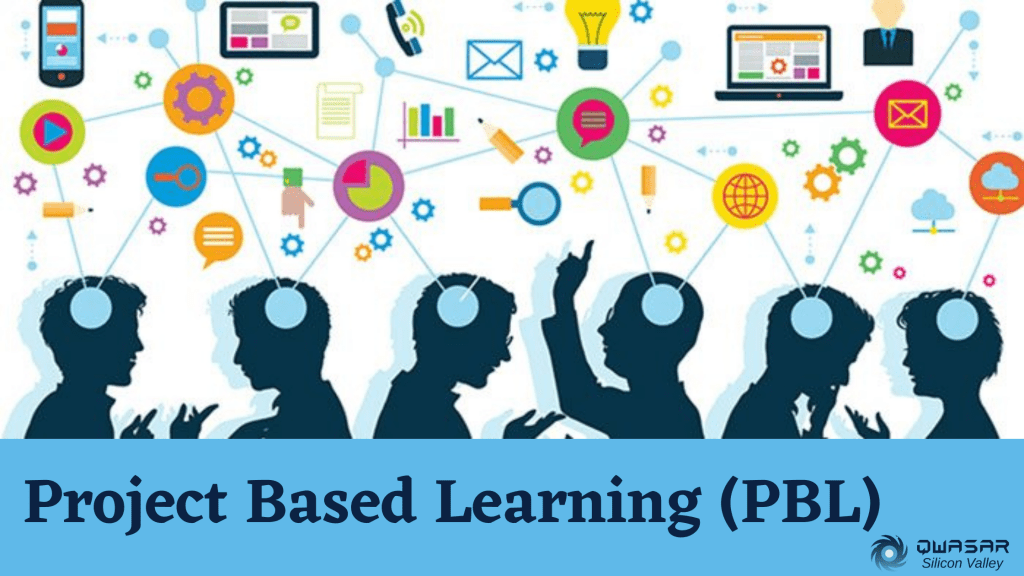
Project-based learning (PBL) is a student-centered approach to education that emphasizes active and hands-on learning. Instead of just memorizing facts and figures, students engage in real-world projects that help them develop critical thinking skills, problem-solving abilities, and teamwork. In this post, we’ll explore the benefits of project-based learning and offer some tips on how to implement PBL in your classroom.
Benefits of Project-Based Learning
One of the key benefits of project-based learning is that it helps students develop essential 21st-century skills. These include critical thinking, creativity, collaboration, communication, and digital literacy. By working on real-world projects that require them to solve complex problems and communicate their ideas effectively with others, students are able to hone these skills in a way that traditional classroom instruction cannot provide.
Another advantage of PBL is that it promotes deeper learning by allowing students to apply what they’ve learned in meaningful contexts. Instead of just memorizing information for a test or exam, they’re able to use their knowledge to create something tangible – whether it’s a presentation, prototype or research report. This type of hands-on experience not only makes learning more engaging but also helps students retain information better.
Additionally, project-based learning can be highly motivating for students because they have more autonomy over their own education. They get to choose what topics they want to explore and how they want to present their findings – whether it’s through an oral presentation or a multimedia project like a video or podcast. This level of choice and freedom gives them ownership over their own learning experience which can lead to increased engagement and satisfaction.
Implementing Project-Based Learning
To implement PBL successfully in your classroom requires careful planning and preparation. Here are some tips on how you can get started:
1) Set clear goals: Before starting any project make sure you have specific goals you want your students to achieve by the end of the project. These goals should be aligned with your curriculum and learning objectives.
2) Choose the right project: Select a project that is meaningful, relevant, and engaging for your students. It should allow them to explore their interests and passions while also challenging them academically.
3) Provide guidance and support: While PBL is student-centered, it’s important to provide guidance and support throughout the process. This can include scaffolding activities or providing feedback as needed.
4) Encourage collaboration: Collaboration is essential in PBL as it allows students to learn from each other’s strengths and perspectives. Encourage teamwork by assigning group projects or facilitating class discussions where students can share ideas.
5) Celebrate success: Finally, make sure you celebrate your students’ achievements at the end of each project – whether it’s through a presentation or a showcase event. This will help motivate them for future projects and create a positive classroom culture around PBL.
In conclusion, Project-based learning can be an effective way to engage students in authentic learning experiences while developing critical thinking skills, problem-solving abilities, communication skills which are all required in today’s world of work. By implementing these tips we’ve discussed above you can bring this approach into your classroom successfully!
 Alternative Amie
Leave a comment