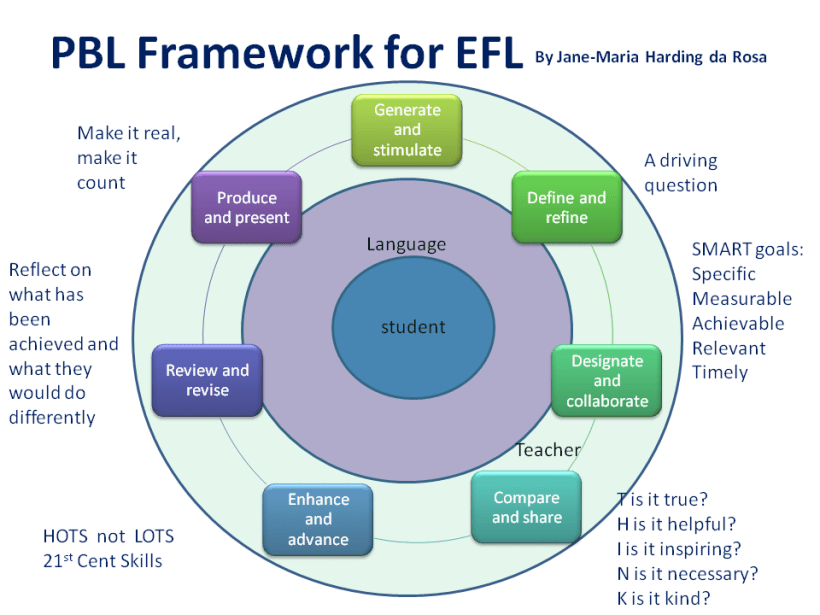
Project-based learning (PBL) is a teaching approach that involves students in an extended, multifaceted inquiry process. PBL allows for student engagement and collaboration while they work on real-world problems or questions. This method of learning aligns with the principles of Alternative Schooling and Education as it promotes creativity, critical thinking, and problem-solving.
PBL differs from traditional methods in several ways. Instead of memorizing facts or concepts to be tested later, students engage actively with the material by conducting research and applying their knowledge to solve a particular task or problem. The teacher acts as a facilitator rather than an instructor, guiding students through the project’s phases instead of delivering lectures.
One significant benefit of PBL is that it prepares students for life beyond school since projects are often modeled after real-world tasks. It also encourages them to take ownership of their education by allowing them to choose topics, set goals, assess their progress independently, and collaborate effectively with peers.
To implement PBL successfully requires careful planning and organization by educators. Teachers must identify appropriate projects aligned with curriculum standards while considering student interests and abilities. They should also design activities that foster critical thinking skills such as analyzing data or developing hypotheses.
In conclusion, Project-Based Learning provides an excellent opportunity for Alternative Schooling and Education institutions to promote active learning experiences among students while encouraging creativity, teamwork skills development all geared towards preparing them for the world beyond school walls.
 Alternative Amie
Leave a comment