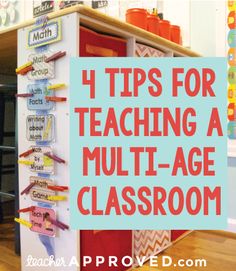
Classroom Management in Multiage Classrooms
Multiage classrooms are becoming increasingly popular in alternative schooling and education. These classrooms often have students of different ages and grade levels learning together, creating a unique educational experience that can be challenging for teachers to manage. However, with the right strategies, classroom management in multiage classrooms can be successful.
One important aspect of managing a multiage classroom is creating a positive classroom culture. This means fostering an environment where all students feel valued and respected regardless of their age or academic level. This can be achieved by emphasizing collaboration over competition and encouraging students to celebrate each other’s successes.
Another key strategy is differentiation. Students in multiage classrooms come from diverse backgrounds, have varying abilities, and learn at different paces. Teachers need to differentiate instruction so that every student is challenged and engaged at their own level. This may include using flexible grouping techniques such as small group work or individualized projects.
Effective communication is also essential when managing a multiage classroom. Teachers must communicate regularly with both parents and students about expectations, assignments, and progress reports. They should also establish clear boundaries for behavior management while still allowing for creativity and exploration.
In addition to these general strategies, there are specific techniques that teachers can use to support effective classroom management within a multi-age setting:
1) Create clear routines: Routines help establish structure within the class which helps minimize disruption and increase productivity.
2) Use visuals: Visual aids such as schedules or instructions posted on walls help create consistency across the class leading to better understanding among students.
3) Peer mentoring: Older children often act as mentors/role models for younger ones leading not only to better behavior but increased engagement too
4) Cooperative Learning: Grouping learners together based on their strengths encourages them to work effectively together towards common goals which again leads not only better behavior but also improved learning outcomes
In conclusion, Classroom management in Multi-age settings requires careful thought & planning. Successful management of a multiage classroom comes down to creating a positive and respectful culture, differentiation of instruction, clear communication among all stakeholders, and specific techniques such as routines, visual aids & peer mentoring. With the right strategies in place, teachers can effectively manage their classrooms, ensuring that every student feels valued and engaged in their learning experience.
 Alternative Amie
Leave a comment