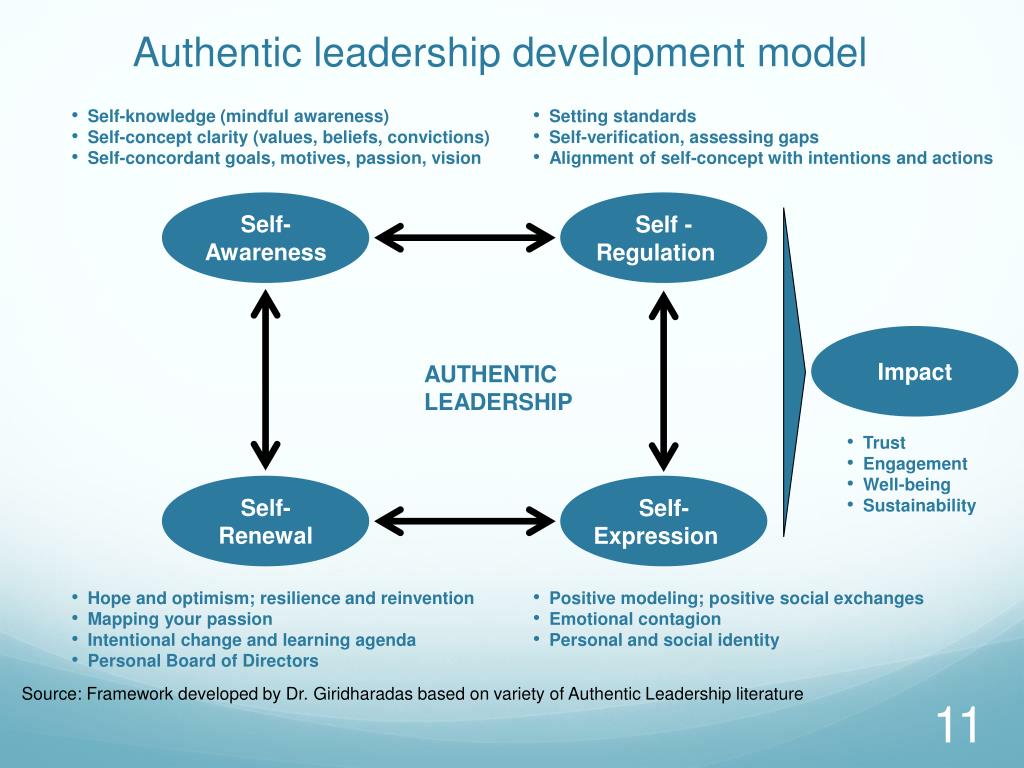
Leadership development has become a buzzword in the corporate world, with many organizations investing heavily in programs to train and develop their employees into effective leaders. However, is leadership development really all it’s cracked up to be?
While there is no denying that strong leadership can make a significant difference in the success of an organization, the way we go about developing leaders can sometimes miss the mark. Many leadership development programs focus on teaching individuals how to master specific skills or techniques rather than helping them develop a deeper understanding of their own values and beliefs.
This approach often results in cookie-cutter leaders who lack authenticity and fail to inspire those around them. Instead, we need to encourage individuals to explore their own unique strengths and weaknesses, as well as their personal vision for what they want to achieve as leaders.
Another issue with traditional leadership development is that it tends to prioritize individual achievement over collective success. This means that while participants may learn how to excel in their own roles, they are not necessarily taught how to collaborate effectively with others or work towards common goals.
To address these shortcomings, alternative approaches like experiential learning and peer-to-peer mentoring have emerged as valuable options for leadership development. These methods emphasize hands-on experience and real-world problem-solving rather than relying solely on classroom instruction.
Ultimately, the key takeaway is that effective leadership cannot be achieved through a one-size-fits-all approach. Organizations must recognize that each individual brings unique experiences and perspectives to the table and tailor their training accordingly. Only then can we truly cultivate authentic leaders who are capable of driving meaningful change within their organizations and communities at large.
 Alternative Amie
Leave a comment