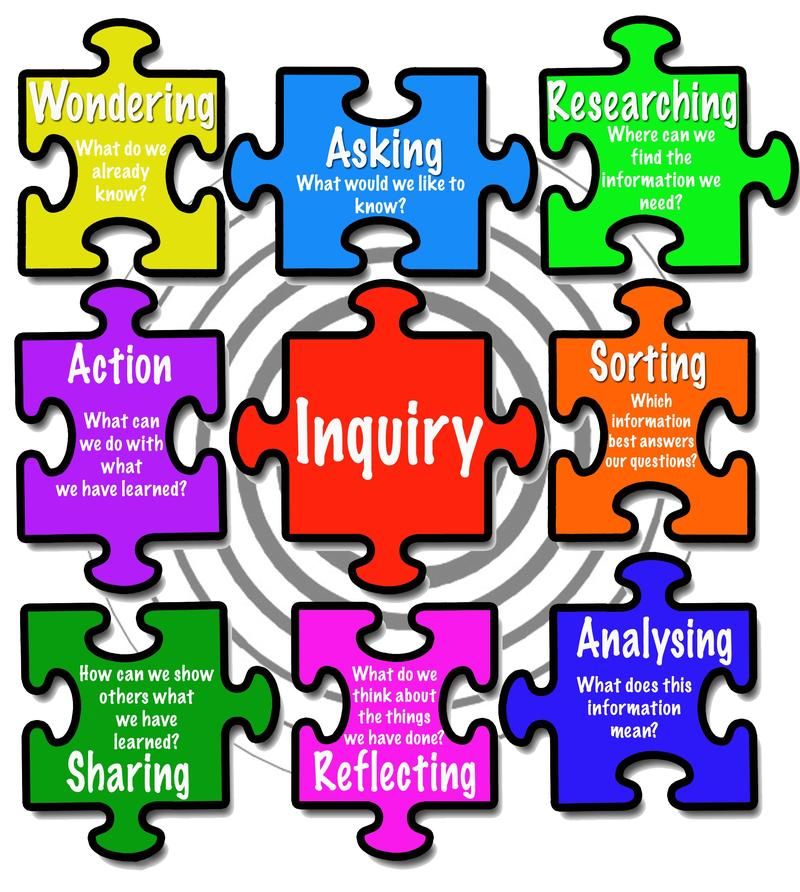
Inquiry-Based Learning: Empowering Students to Discover and Learn
Education is not merely the transfer of knowledge from a teacher to a student. Rather, it should be an experience that enables students to explore their interests, engage in critical thinking, and solve problems independently. Inquiry-based learning (IBL) is one such approach that encourages students to take charge of their own education by asking questions, seeking answers, and creating new knowledge.
What is Inquiry-Based Learning?
Inquiry-based learning refers to an educational model where students take the lead in posing questions and exploring topics that interest them. The process involves several stages: questioning, investigating, interpreting data, and drawing conclusions. It is designed to enable learners to develop skills such as critical thinking, problem-solving, communication skills while fostering creativity.
The basic premise of inquiry-based learning is that people learn best when they are motivated by curiosity and have control over what they want to learn. In this approach teachers do not act as “sage on stage” but rather facilitate the process by guiding students’ inquiries towards specific outcomes or objectives.
Benefits of Inquiry-Based Learning
The benefits of IBL are numerous for both learners and educators alike:
1. Develops Critical Thinking Skills – When engaged in IBL activities students must analyze information from multiple sources objectively; evaluate evidence logically; draw conclusions based on evidence; make connections between ideas; recognize patterns or trends within data sets; identify assumptions underlying arguments or propositions made about phenomena under study.
2. Encourages Creativity – By allowing learners the freedom to ask their own questions about a topic area they are interested in exploring further can lead them down paths previously unconsidered which can often lead them towards innovative solutions or insights.
3. Fosters Collaboration – Collaborative inquiry projects allow students with diverse backgrounds and experiences work together effectively while sharing ideas openly without fear of being judged too harshly by peers who may have different perspectives than themselves which leads to increased understanding and a better-rounded view of the world around them.
4. Enhances Motivation – Inquiry-based learning can be motivating for students who are more likely to engage in activities when they have input into what is being learned, rather than being told what to do or learn. This leads to greater interest in the topics studied, which results in deeper learning and retention.
5. Builds Confidence – Students develop confidence through IBL because they take ownership of their learning process, which gives them a sense of control over their education. They’re not just memorizing information but instead actively engaged in exploring new ideas and making discoveries that are personally meaningful.
Implementing Inquiry-Based Learning
Inquiry-based learning requires teachers to give up some traditional classroom structures and practices while embracing new ones as well as allowing more independence for their students. Here are few tips on how educators can implement IBL:
1. Encourage Curiosity – Teachers should encourage curiosity by creating an environment where learners feel comfortable asking questions about the subject matter under study without fear of ridicule or judgement from others.
2. Foster Open Communication – Teachers must create an atmosphere where learners feel free to share their thoughts openly with others without fear of reprisal ideally leading towards dialogue that encourages exploration from multiple perspectives.
3. Provide Adequate Resources – Providing learners with resources such as books, articles, videos etc., enables them to explore subjects independently while still having guidance from the teacher when needed.
4. Make it Relevant – Whenever possible make sure projects/tasks assigned are tied directly back into real-world scenarios providing opportunities for applying concepts explored within the project/task outside of class time helping increase engagement levels further still!
5. Celebrate Successes – Celebrating successes along the way is important since it helps build momentum towards achieving larger goals set out at beginning stages like developing critical thinking skills or creativity mentioned earlier!
Conclusion
Inquiry-based learning is a powerful approach that empowers students by giving them the opportunity to take ownership of their education. It fosters a sense of curiosity, creativity, collaboration and critical thinking which are all essential skills for success in today’s world. Implementing IBL requires teachers to adopt new practices and approaches that are different from traditional classroom structures but with perseverance and dedication, educators can create an environment where students thrive. Ultimately, inquiry-based learning is not just about acquiring knowledge but rather about developing lifelong learners who continue to be curious and engaged long after they leave formal schooling settings.
 Alternative Amie
Leave a comment