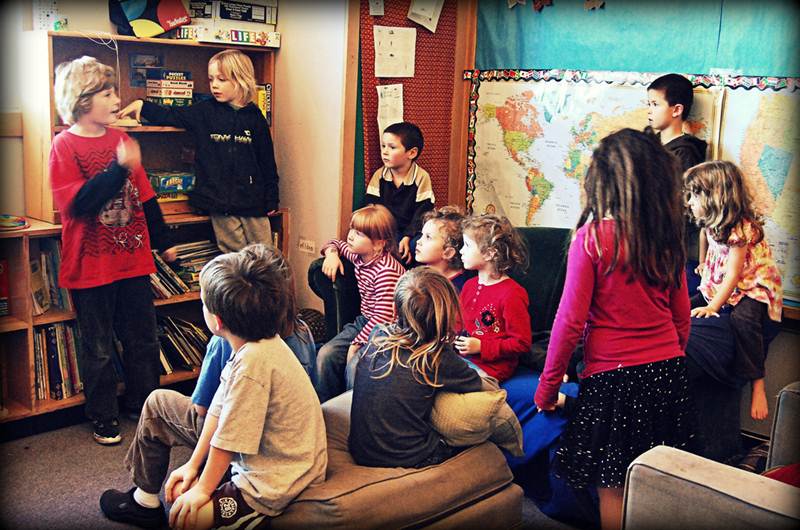
Democratic Schools: A Retrospective Look at Summerhill School and Brooklyn Free School
Alternative schooling and education have been around for decades, with Summerhill School in the UK often hailed as the first democratic school. Founded by A.S. Neill in 1921, it was a radical departure from traditional schools of its time – children were given the freedom to learn what they wanted, when they wanted, without any compulsory classes or exams. The philosophy behind it was simple: let children be free and happy, and they will naturally want to learn.
Nearly a century later, democratic schools still exist all over the world, with many following in Summerhill’s footsteps. One such example is Brooklyn Free School (BFS), founded in New York City in 2004 by nine educators who shared a vision of providing an alternative form of education for children.
In this retrospective post, we’ll take a closer look at both Summerhill School and BFS to understand how their approaches to education have evolved over time.
Summerhill School
Summerhill School began as an experiment in child-led learning that has since become known worldwide for its innovative approach to teaching and learning. Since its inception, hundreds of students have attended the school from all over the world.
The school’s philosophy is based on three principles:
1) Freedom – Children are allowed to choose what they want to do with their time.
2) Equality – All members of the community have equal say and vote on decisions affecting everyone.
3) Democracy – Students are encouraged to take part in self-government processes.
Summerhill’s educational approach emphasizes play-based learning rather than academics; there are no required subjects or grades. Instead, students are free to pursue their interests through individual or group projects while also taking part in communal responsibilities like cleaning up after meals or participating in meetings.
The role of teachers at Summerhill is more akin to facilitators than instructors; they provide resources and guidance but ultimately allow students to lead their own learning. This approach has produced a highly diverse and self-motivated student body, with many former students going on to successful careers in fields like art, science, and politics.
Despite its success, Summerhill School has faced its share of criticism over the years. Some argue that the lack of structure and requirements for academic achievement can leave students unprepared for life outside of Summerhill. Others question whether children are truly capable of governing themselves without adult intervention.
Nonetheless, Summerhill remains an inspiration to many educators worldwide who seek alternative forms of education that prioritize freedom and autonomy for students.
Brooklyn Free School
Though much younger than Summerhill School, BFS shares a similar philosophy grounded in democratic principles. Like Summerhill, BFS emphasizes play-based learning while also providing opportunities for academics through individualized or group projects.
But unlike Summerhill, BFS offers a wider range of classes taught by teachers who have been hired by the school’s community members – both parents and students alike – rather than solely relying on facilitators.
BFS also places a strong emphasis on social justice issues as part of its curriculum; this includes workshops on anti-racism and gender identity as well as opportunities for activism within the school’s surrounding community.
Perhaps one of the most striking differences between BFS and traditional schools is its disciplinary policy. Rather than punishment or suspension, discipline at BFS is handled through restorative justice practices like conflict resolution meetings where all parties involved collaborate to find solutions that work best for everyone involved.
While still relatively new compared to other democratic schools around the world, Brooklyn Free School has already made waves in the education world with its unique approach to teaching and learning. Its commitment to social justice issues sets it apart from other schools that may claim democratic ideals but fail to address systemic inequalities within their communities.
Conclusion
As we look back on nearly 100 years since A.S. Neill founded Summerhill School in England, it’s clear that democratic schools have come a long way. From the early days of child-led learning to today’s emphasis on social justice and restorative practices, the principles behind democratic schooling continue to evolve.
Summerhill School and Brooklyn Free School are just two examples of how alternative forms of education can provide students with unique opportunities to learn, grow, and become active members of their communities. As we move forward into the 21st century, it will be exciting to see what new innovations in education arise as more people recognize the value of democratic ideals in schools.
 Alternative Amie
Leave a comment