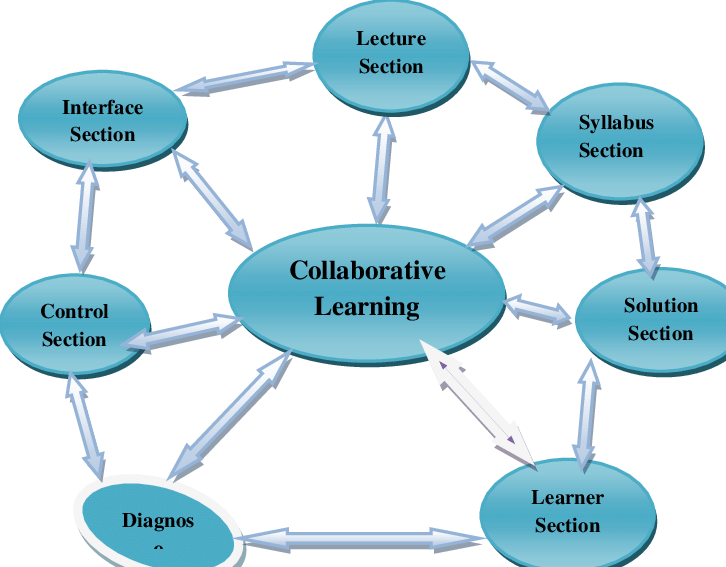
Collaborative Learning Environments: Fostering Creativity and Critical Thinking
The traditional model of education has long been based on individual learning, where students sit quietly at their desks, taking notes and listening to the teacher. However, research shows that this approach may not be beneficial for all learners. In recent years, collaborative learning environments have emerged as an alternative way of teaching that focuses on group work and peer-to-peer interaction.
Collaborative learning is a process that involves students working together in groups or pairs to achieve a common goal. It emphasizes teamwork, problem-solving skills, communication skills and critical thinking abilities. In such environments, teachers act as facilitators rather than lecturers or authority figures.
One of the key benefits of collaborative learning is that it helps to foster creativity among students. By working with peers who have different perspectives and backgrounds, students are exposed to new ideas and ways of thinking. This encourages them to think outside the box and come up with innovative solutions to problems.
In addition to promoting creativity, collaborative learning also develops critical thinking skills. When working in groups, students are required to analyze information critically before making decisions or coming up with solutions. They must evaluate ideas from different team members and weigh the pros and cons before reaching a consensus.
Another advantage of collaborative learning is that it promotes socialization among students. Working in groups allows them to interact with each other in a non-competitive environment where they can learn from one another’s strengths while supporting each other’s weaknesses.
Moreover, collaborative learning helps educators tailor their instruction more effectively by identifying gaps in student knowledge earlier than through purely individual assessment methods such as quizzes or exams.
However, implementing a successful collaborative learning environment requires careful planning by educators.
Firstly clear goals should be established so every student knows what they will achieve through collaboration; secondly effective communication channels between team members should be set up; thirdly assignments should be designed in such a way that everyone’s contributions are valued.
In conclusion, collaborative learning environments offer a range of benefits to students that cannot be achieved through traditional modes of education. By fostering creativity, critical thinking and socialization, they provide an effective way to prepare students for the modern workplace where teamwork and collaboration are essential skills.
 Alternative Amie
Leave a comment