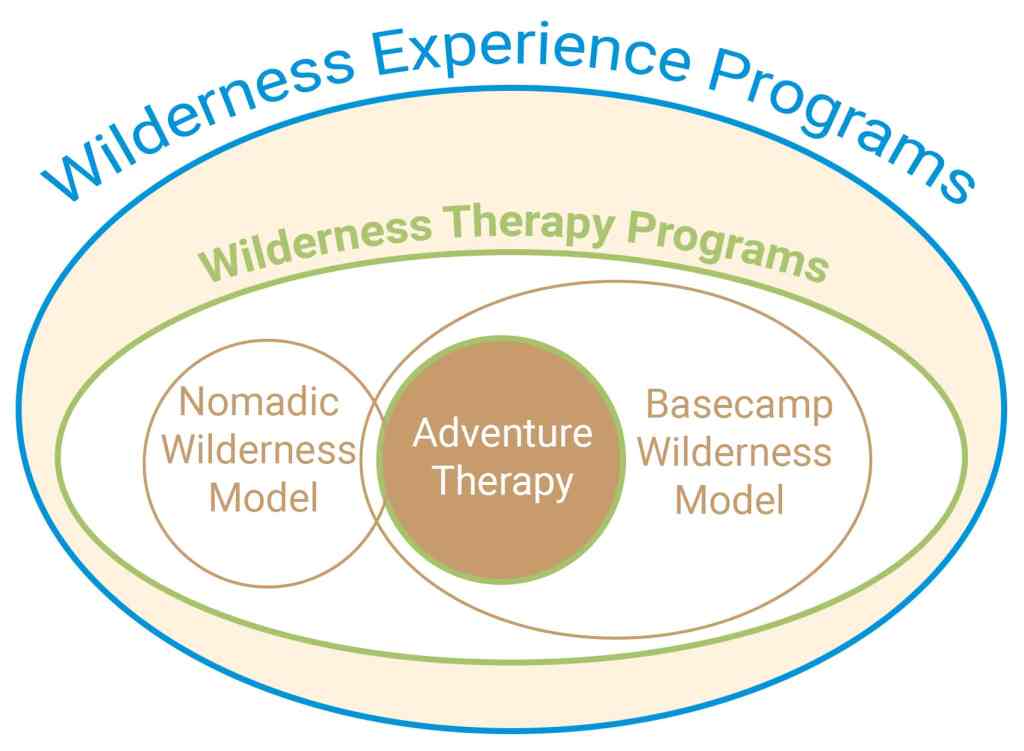
Wilderness therapy mentoring programs have been gaining popularity in recent years, offering a unique approach to helping troubled youth. These programs take participants out of their comfort zones and into the great outdoors, where they are forced to confront their issues head-on. While this may sound like a novel idea on paper, there are several reasons why these programs may not be as effective as they claim.
Firstly, many wilderness therapy mentoring programs lack accreditation or oversight by any governing body. This means that anyone can start one of these programs without any formal training or qualifications. As a result, the quality of care provided can vary widely from program to program.
Secondly, these programs can come with hefty price tags. Many parents find themselves shelling out tens of thousands of dollars for their child to spend weeks or even months in the wilderness. This is simply not an option for many families who cannot afford such high costs.
Thirdly, there is little evidence to suggest that wilderness therapy mentoring programs are actually effective at treating mental health issues in youth. While some participants may show short-term improvements during and immediately after the program, there is no long-term data available to support the efficacy of this approach.
Furthermore, these programs often operate under the guise of “tough love” and use tactics such as isolation and deprivation to break down participants’ defenses. While this may seem like an effective way to get through to troubled youth, it can also be incredibly traumatizing and damaging in some cases.
In conclusion, while wilderness therapy mentoring programs may seem like a promising solution for troubled youth on the surface level—providing them with fresh air and adventure—they ultimately lack adequate regulation and scientific backing to prove that they are truly beneficial over other forms of treatment that may better suit each individual’s needs.
 Alternative Amie
Leave a comment