Standards-Based Grading: A Comprehensive Guide
In traditional grading systems, students are evaluated and given a grade based on their performance compared to their peers. However, this approach does not always accurately reflect what a student has learned or the skills they have gained. Standards-based grading is an alternative approach that focuses on assessing student progress against specific learning objectives or standards instead of comparing them to other students.
What is Standards-Based Grading?
Standards-based grading (SBG) is a system where students are graded based on their mastery of specific academic standards rather than just getting high marks for assignments and exams. The focus is on measuring how well students have achieved certain learning goals set by the teacher or school district.
The goal of SBG is to provide more accurate information about what each student knows and can do rather than how well they compare with others in the class. This type of assessment provides teachers with valuable data that can be used to modify instruction and personalize learning experiences.
How Does Standards-Based Grading Work?
In SBG, grades are assigned based on how well a student has demonstrated mastery of specific learning targets or standards. These targets represent the essential knowledge and skills that students need to acquire at each grade level.
Teachers use various methods to assess whether a student has met each target such as quizzes, tests, projects, essays, presentations etc., which makes it easier for educators to identify areas where extra help may be needed.
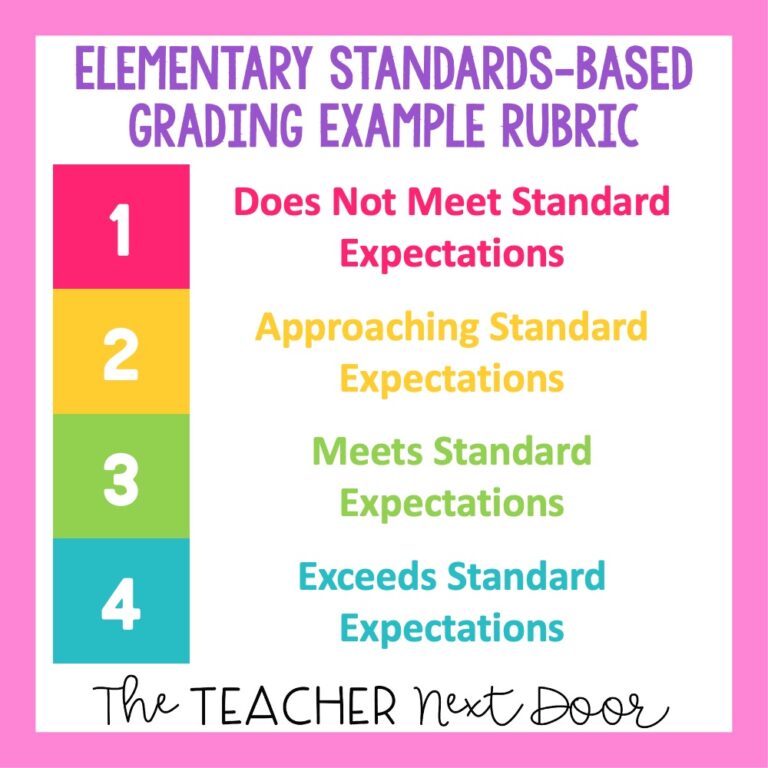
Each standard typically has several levels of proficiency associated with it; these range from below basic proficiency (not yet meeting expectations) up through advanced proficiency (exceeding expectations). Students receive feedback throughout the year so they know exactly which concepts they have mastered and where improvement is needed.
Benefits Of Standards-Based Grading
1. More Accurate Assessment – The primary benefit of SBG is its ability to provide more precise feedback regarding what students know and don’t know in terms of specific competencies required for success in their grade level.
2. Personalized Learning – Teachers can use the information gathered from SBG to create personalized learning plans that address each student’s individual needs and strengths.
3. Improved Student Motivation – With standards-based grading, students receive ongoing feedback throughout the year which helps them stay motivated to improve because they know exactly what they need to do to succeed.
4. Better Communication with Parents – Because SBG focuses on specific learning targets, teachers can more easily communicate with parents about their child’s progress in a particular area of study.
5. Fewer Comparisons Between Students – In traditional grading systems, students are often compared against one another, causing stress and anxiety for some children. With SBG, there is less emphasis on comparing students who may have different levels of ability or background knowledge.
Challenges Of Standards-Based Grading
While there are many benefits to implementing an SBG system into classroom instruction, challenges do exist:
1. Time-Consuming: Assessing each standard individually requires more time than evaluating assignments globally; as such, teachers must plan accordingly when creating assessments and determining grades.
2. Skillful Implementation: Properly implementing standards-based grading requires careful planning and training for educators so that they understand how it works and how to assess different levels of proficiency accurately.
3. Complexity: Since there are multiple standards associated with each subject area at every grade level, it can be challenging for both educators and students alike to keep track of all the learning goals involved in mastering a particular skill set effectively.
Best Practices For Implementing Standards-Based Grading
To ensure success when implementing an SBG system into a classroom or district-wide curriculum, here are some best practices worth considering:
1. Communicate Clearly – When introducing new grading systems like this one into your school or district community communication is key so everyone knows what changes are happening upfront.
2. Start Small – Begin by focusing on just one subject area or grade level before expanding your efforts to other areas.
3. Collaborate – Work with colleagues and administrators to ensure that everyone is on the same page regarding assessment standards and how they will be implemented across all subject areas.
4. Provide Ongoing Training – Offer ongoing professional development opportunities for teachers so that they can stay up-to-date with new grading methods and techniques.
5. Involve Students – Encourage students to take ownership of their learning by involving them in the evaluation process, such as self-assessments or goal setting.
Final Thoughts
Standards-based grading is an approach to assessing student progress based on mastery of specific academic standards rather than comparing them against peers. This system provides more accurate feedback on what a child knows and doesn’t know while providing personalized learning experiences tailored to each student’s individual needs.
While there are some challenges associated with implementing SBG, following best practices such as clear communication, starting small, collaborating with colleagues, offering ongoing training opportunities, and involving students can help schools achieve success when transitioning to this type of grading system.
 Alternative Amie
Leave a comment