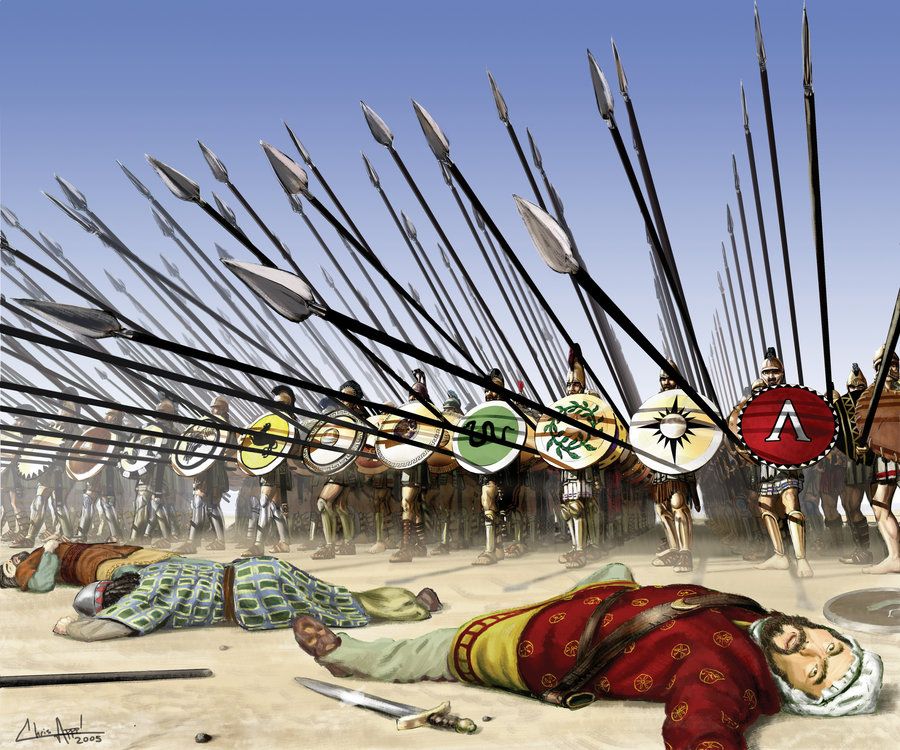
Julius Caesar’s Commentaries on the Gallic War: Insights into Ancient Warfare
Julius Caesar was one of the most significant figures in ancient history, and his writings have had a lasting impact on Western literature. Among his works, The Commentaries on the Gallic War stands out as an essential piece of military literature and a valuable source for understanding Roman warfare.
The Commentaries chronicle Caesar’s campaigns against the Gauls from 58 to 50 BC. They are written in simple language but convey a wealth of information about ancient warfare tactics, geography, politics, and culture. In this post, we will explore some key insights that can be gleaned from Caesar’s account of the Gallic War.
1) Strategy and Tactics
One of the most striking aspects of The Commentaries is how methodical and strategic Caesar was in his approach to battle. He emphasizes the importance of scouting enemy positions before attacking them and frequently mentions surprise attacks as effective ways to gain an advantage over opponents.
Caesar also demonstrates a keen sense of tactical innovation throughout his campaigns in Gaul. For example, he used cavalry units to encircle enemy forces while infantry soldiers attacked their flanks. This tactic allowed him to divide and conquer larger armies effectively.
Another hallmark strategy employed by Caesar was siege warfare – which involved surrounding fortified towns or cities until they surrendered or were starved into submission. His siegecraft was highly efficient- he would often dig trenches around fortifications to prevent supplies from entering or leaving – eventually leading to surrender.
2) Geography
The geographic descriptions within The Commentaries are incredibly detailed; this detail provides readers with insight into not only how geography affected battles but how it shaped society at large during this time period.
Caesar describes different types of terrain encountered during battles such as rivers crossing through valleys or mountains that required scaling with equipment like ladders. These descriptions give us an idea about what challenges soldiers faced when navigating new terrains.
The Commentaries also highlight the importance of geography in determining which resources were available to different regions. Caesar notes that certain areas had access to valuable mineral deposits, while others were fertile for agriculture.
3) Politics
Caesar’s Commentaries are not just about military strategy; they provide insight into Roman politics at the time as well. He often mentions alliances with other tribes or cities and how these alliances affected his campaigns.
One example is when he describes an alliance between a Gallic tribe and a Germanic tribe. This alliance posed significant challenges for Caesar because it allowed his enemies to coordinate their attacks more effectively against him.
Another political aspect that comes through in The Commentaries is how Caesar was able to use diplomacy as a tool of war. He would often offer incentives like land grants or political favors to tribes who decided to support him in battle rather than fight against him.
4) Culture
Finally, The Commentaries give us some insight into ancient Gallic culture, particularly regarding warfare practices. Caesar describes the Gauls’ use of chariots during battles and their skill with horseback riding, which helped them navigate rough terrain quickly.
He also writes about their religious practices – including human sacrifice – which was common amongst many ancient cultures during this era but has been condemned by modern society’s standards.
Conclusion
Julius Caesar’s Commentaries on the Gallic War remains an essential work of literature that provides insights into ancient warfare tactics, geography, politics, and culture. It offers readers a glimpse into how strategic thinking can help overcome obstacles on the battlefield and highlights the significance of geographical factors in shaping societies at large during this time period. Lastly- it shows us what life was like for soldiers fighting wars over two millennia ago!
 Alternative Amie
Leave a comment