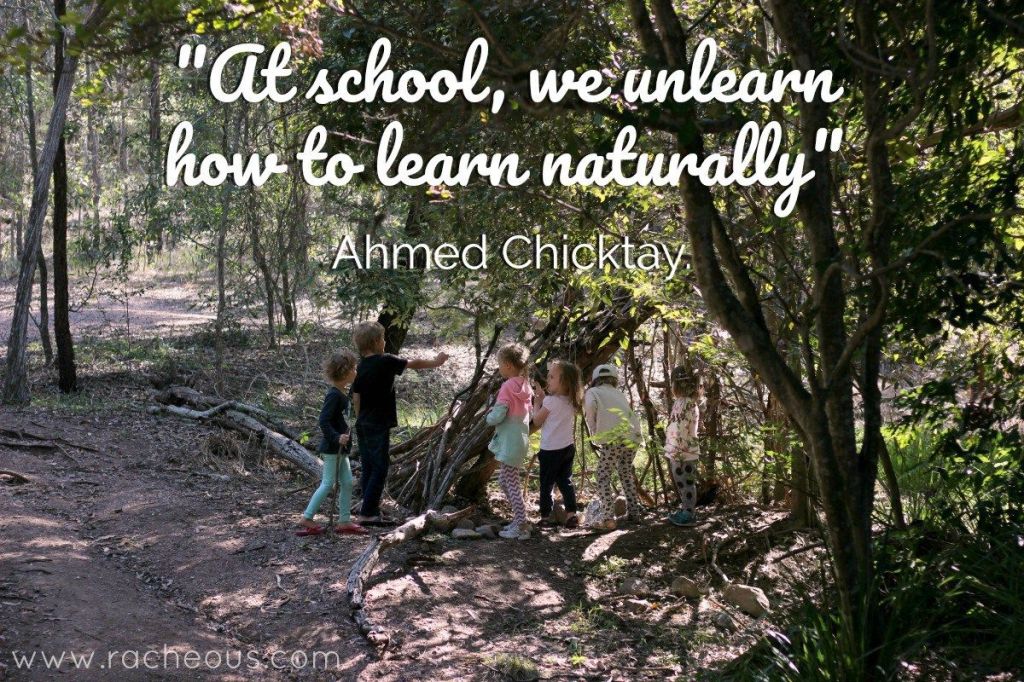
As the world is becoming more global, ideas and practices that once seemed unconventional are now gaining acceptance in different cultures. One of these ideas is unschooling, a type of education where children learn through self-directed exploration rather than traditional classroom instruction.
To understand how unschooling works in different cultures and contexts, I spoke to three individuals from diverse backgrounds who have personal experience with this alternative form of education.
First up was Noura, a mother from Saudi Arabia who has been unschooling her two children for the past five years. In Saudi Arabia, traditional schooling is highly valued and considered essential for success in life. However, Noura felt that her children were not thriving in the rigid structure of school and wanted an alternative approach to learning.
Noura shared that initially, she faced resistance from family members and friends who thought she was depriving her children of a proper education. However, over time as they saw how much her children were learning through their own interests and passions, their opinions started to shift.
“Unschooling has allowed my children to develop critical thinking skills and pursue their passions without being confined by someone else’s agenda,” says Noura. “They are able to explore subjects deeply and at their own pace.”
Next up was Ramon from Mexico City who grew up in a traditional Mexican household where academic achievement was highly prized. Despite his parents’ expectations for him to excel academically, Ramon struggled with the pressure placed on him by formal schooling.
After completing high school, Ramon discovered unschooling while backpacking through Europe. He realized he could continue his education outside of the classroom by pursuing his interests such as music production and graphic design.
Ramon credits unschooling with allowing him to discover his love for creative pursuits while also developing practical skills that have helped him build a successful career as an entrepreneur.
“In Mexico City there isn’t much awareness about unschooling, but I hope to change that by sharing my story and showing others that there are alternative paths to success,” says Ramon.
Finally, I spoke with Kavitha, a teacher from India who has been involved in the unschooling movement for over a decade. In India, traditional education places great emphasis on exam results and rote memorization, which can stifle creativity and individuality.
Kavitha believes that unschooling offers a more holistic approach to learning that allows children to develop their unique talents and skills. She has worked with several families in India who have chosen unschooling for their children.
“Unschooling is not just about what happens inside the home or classroom – it’s about creating a culture where learning is valued and encouraged,” says Kavitha. “It requires a community of like-minded individuals who understand the value of self-directed learning.”
Despite its growing popularity around the world, unschooling remains controversial in many cultures where formal education is seen as essential for success. Critics argue that without structured instruction and standardized testing, children may not develop necessary life skills such as time management or critical thinking.
However, proponents point out that unschooled children often excel academically and socially because they are able to follow their passions rather than being restricted by curriculum requirements.
As Noura puts it: “Unschooling isn’t easy – it requires patience, dedication, and trust in your child’s ability to learn. But when you see how much they grow and thrive through this approach to education, it makes all the challenges worth it.”
 Alternative Amie
Leave a comment