Project-Based Learning: A Student-Centered Approach to Education
In traditional education systems, students are often passive learners who sit in classrooms and absorb information from teachers. However, project-based learning (PBL) is a student-centered approach that empowers learners to take control of their own education by engaging them in real-world projects.
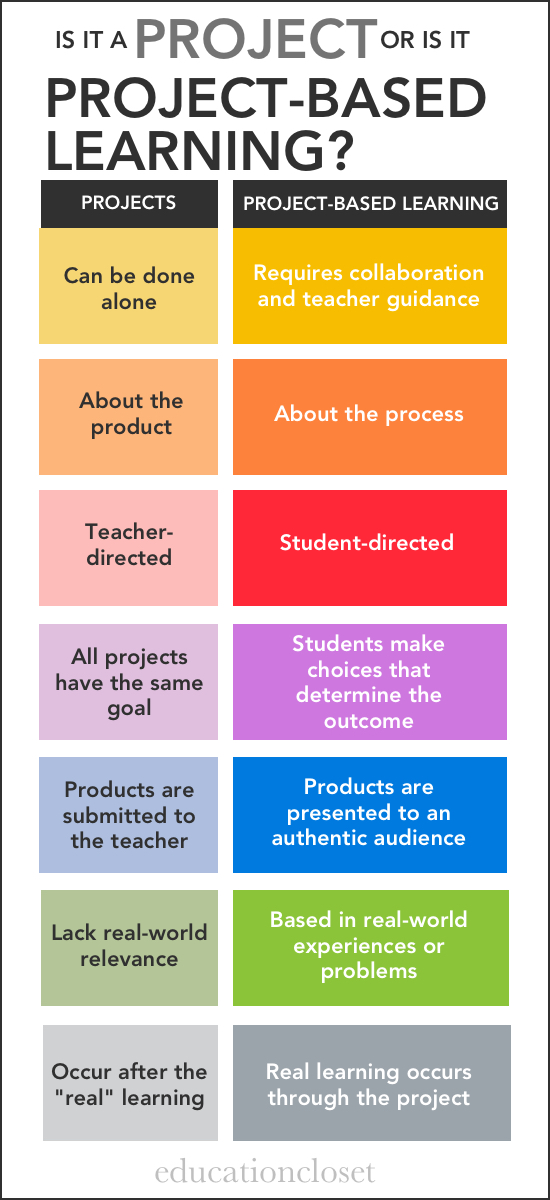
Project-based learning is an innovative teaching method that has gained popularity in recent years due to its effectiveness in preparing students for life beyond the classroom. In this approach, students work collaboratively on projects that connect academic content with real-world problems or challenges. These projects can range from designing a sustainable community garden to creating a business plan for a startup company.
The beauty of PBL lies in its ability to engage students in active learning experiences while integrating multiple disciplines and skills such as critical thinking, problem-solving, communication, and creativity. This type of hands-on learning has been shown to increase student motivation and engagement by providing opportunities for deeper understanding of concepts through practical application.
Moreover, PBL also promotes independent thinking and self-directed learning since it allows students to explore topics that interest them while working at their own pace. Students also learn how to collaborate with others effectively and develop social skills like empathy and respect for diverse perspectives.
Aside from these benefits, PBL also aligns well with the demands of today’s workforce. Employers now seek individuals who possess not only technical skills but also soft skills such as adaptability, teamwork, communication skills among others which are fostered during project-based learning activities.
However successful implementation of Project-Based Learning requires teachers’ facilitation or guidance throughout the process so as ensure appropriate scaffolding takes place within the curriculum – ensuring alignment between objectives set out for each project undertaken -and effective monitoring & evaluation techniques implemented geared towards continuous improvement.
In conclusion,PBL provides an opportunity for educators to revolutionize traditional teaching methods while preparing their students for success both inside and outside the classroom . Through PBL, students gain the knowledge and skills that are essential for navigating the complex world of tomorrow.
 Alternative Amie
Leave a comment