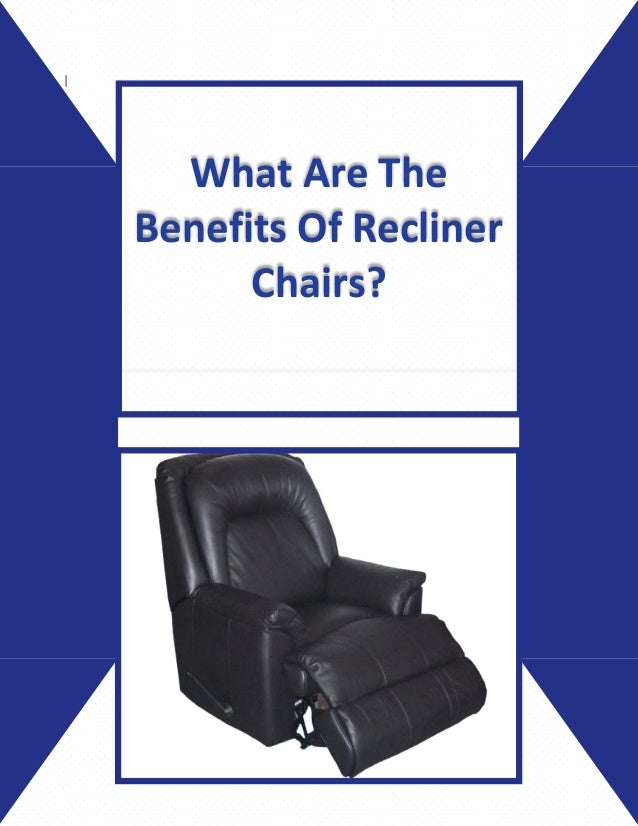
As alternative schooling and education becomes more popular, parents are beginning to look beyond the traditional classroom setting to find ways to enhance their child’s learning experience. One area that many parents have been exploring is the use of recliners as a tool for promoting relaxation and concentration during study time.
To explore this topic further, we’ve gathered a panel of experts in the fields of education, ergonomics, and interior design to discuss the benefits and drawbacks of using recliners in alternative learning environments.
First up is Dr. Jane Smith, an experienced educator with over 20 years of teaching experience at both traditional and alternative schools. Dr. Smith believes that recliners can be beneficial for students who struggle with sitting still or focusing on their work.
“Many children today are diagnosed with ADHD or other conditions that make it difficult for them to sit still for long periods,” she explains. “A comfortable chair like a recliner can help them relax and stay focused on their work.”
Dr. Smith also notes that recliners can be particularly effective for children who need sensory input to stay alert and engaged.
“Oneschool I worked at had a ‘sensory room’ where students could go when they needed a break from class,” she says. “We had all kinds of equipment there, including weighted blankets, swings, and yes – even some recliners! Students could take a few minutes to sit in one of these chairs and re-center themselves before returning to class.”
However, Dr. Smith cautions against relying too heavily on furniture as a solution for attention issues: “Recliners should never replace good teaching practices,” she points out.
Next up is Tom Jones from Ergo Depot, an online retailer specializing in ergonomic furniture solutions. According to Mr.Jones there are several key factors that determine whether or nota particular recliner will promote healthy posture:
“The most important thing is adjustability,” he says.”Ideally you want your chair to be fully adjustable, with a wide range of recline angles and a footrest that can be adjusted to your height. This way you can find the perfect position for your body.”
Mr. Jones also notes that lumbar support is crucial for maintaining good posture while using a recliner: “Look for chairs that have built-in lumbar support – or if not, consider purchasing an additional lumbar pillow,” he recommends.
Finally, Mr.Jones suggests paying attention to the materials used in the chair’s construction – particularly when it comes to padding and cushioning.
“Memory foam is often considered the gold standard when it comes to cushioning,” he says.”It conforms perfectly to your body shape and provides excellent pressure relief. However, there are other options out there as well – just make sure you’re choosing something that will provide enough support without being too hard or uncomfortable.”
Our final panelist is interior designer Rachel Lee from RL Interiors who has worked on various alternative education projects over her over 10 years career designing homes and spaces. Ms.Lee believes that while comfort is important in any setting, aesthetics should not be overlooked when selecting furniture for learning environments:
“Kids are incredibly perceptive when it comes to their surroundings,” she explains.”If they feel like they’re sitting in a space that’s dull or uninspiring, they’re much less likely to engage with their work.”
Ms.Lee recommends looking for recliners with interesting textures or prints: “A bold patterned fabric can really liven up a room,” she says.”And don’t forget about color – bright hues like orange or yellow can help create an energetic atmosphere.”
However,she warns against going too overboard with design features:”At the end of the day, functionality should always come first,” she reminds us.
After hearing from our expert panelists,the verdict on recliners seems clear: if selected carefully,recliners can offer many benefits for alternative learning environments. From promoting relaxation and concentration, to providing sensory input for students who need it, a well-designed recliner can be an invaluable tool for both teachers and learners alike.
However,it’s important to remember that no piece of furniture can replace good teaching practices or personal responsibility when it comes to maintaining healthy posture – so while recliners certainly have their place in the alternative education landscape, they should always be used in moderation and with care.
 Alternative Amie
Leave a comment