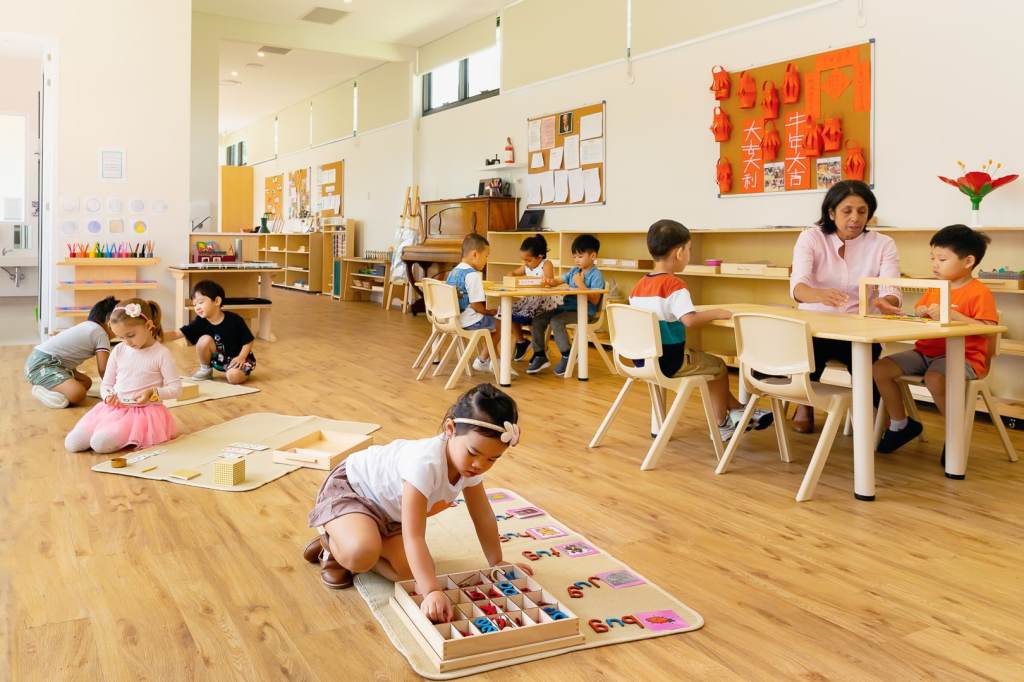
Montessori Method: A Holistic Approach to Education
Education is an essential aspect of life that shapes an individual’s future. The way we learn and grow determines the kind of person we become and the contributions we make to society. With a growing demand for alternative approaches to traditional schooling, Montessori education has gained popularity among parents seeking a more holistic approach to their child’s development.
Montessori education is a method developed by Dr. Maria Montessori in the early 1900s that emphasizes independence, freedom within limits, and respect for each child’s natural psychological development. This approach focuses on nurturing children’s minds, bodies, and spirits through hands-on activities, self-directed learning, and personalized instruction.
In this article, we will explore some of the key subtopics related to Montessori education.
Practical Life Activities
One of the fundamental principles of Montessori education is practical life activities. This involves teaching children how to perform everyday tasks such as pouring water into a cup or washing their hands independently. Practical life activities help children develop coordination skills while enhancing concentration levels and building confidence.
Through practical life activities such as sweeping or wiping tables after snack time, children also learn about responsibility and taking care of their environment. These activities give them a sense of purpose and belonging in their classroom community while preparing them for real-life situations outside school.
Sensorial Education
Sensorial education in Montessori schools involves using sensory experiences such as touch, smell, taste, sound, and sight to teach concepts like colors or shapes. By engaging multiple senses simultaneously during learning exercises like sorting objects by color or size recognition games with tactile materials like sandpaper letters can help improve cognitive abilities over time.
The goal behind sensorial education is not only developing intellectual capacity but also fostering emotional intelligence (EQ). Children who have experience working with different textures are said to be better at identifying emotions based on physical cues they see in others.
Language Development
In Montessori schools, language development is not only about teaching children to read and write but also about developing their communication skills. This includes activities such as storytelling, public speaking exercises, and conversation practice with peers or adults.
Teachers in Montessori classrooms often use “language objects” like small toys or pictures to reinforce vocabulary concepts. These objects are then used in lessons that teach children how to read words and sentences fluently while instilling a love of books from an early age.
Mathematics Curriculum
Montessori mathematics curriculum focuses on concrete materials that make learning math fun for children. For instance, counting beads or blocks can help young learners understand the basics of addition and subtraction while building number sense over time.
The curriculum also emphasizes hands-on activities that engage multiple senses simultaneously. This approach helps foster creativity and critical thinking skills while encouraging students to explore different ways of solving problems beyond rote memorization.
Cultural Studies
Montessori education places a strong emphasis on cultural studies, including geography, history, science & technology as well as art & music appreciation. By exposing children to different cultures around the world, they learn empathy towards others who may have different beliefs or lifestyles than their own.
This global perspective encourages open-mindedness and curiosity that leads them towards lifelong learning by fostering respect for diverse backgrounds which builds character strength through understanding differences between people rather than focusing only on similarities among them!
Classroom Environment
The classroom environment plays an integral role in the success of Montessori education. The way space is arranged can either facilitate or hinder self-directed learning opportunities available to students.
Classrooms are typically designed with low shelves so that all materials are easily accessible for young learners without requiring adult intervention frequently. There are multi-age groups of 3-6 years old who work together cooperatively within this setting under supervision from trained teachers who act more like mentors than traditional instructors at other schools where direct instruction is more common.
Montessori Materials
Montessori materials are designed to be self-correcting, meaning children can learn from their mistakes without needing an adult’s intervention. These materials include objects such as puzzles, blocks, and other manipulatives that allow for hands-on learning opportunities with immediate feedback.
Many of these materials are made of natural materials like wood or cloth rather than plastic, which provides a more sensory-rich experience while respecting the environment. The use of natural materials also helps develop eco-consciousness in children at an early age.
Child-Led Learning
Child-led learning is a core principle of Montessori education. This approach encourages students to take charge of their own learning pace by pursuing areas that interest them most while allowing ample time for exploration and experimentation during activities.
This approach gives students ownership over their education journey and fosters a sense of responsibility and independence that carries into all aspects of life beyond school years!
Individualized Instruction
Each student has unique strengths and challenges when it comes to learning style or pace. In Montessori schools, individualized instruction is key because teachers adapt lessons according to each child’s needs instead of expecting everyone to fit into one size fits all approach towards lesson planning which results in better outcomes overall!
Mixed-Age Classrooms
In mixed-age classrooms, children work together cooperatively regardless of age differences. This model benefits younger students who have role models among older peers as well as older ones who benefit from being leaders within these groups – thus leading to increased socialization skills development across all ages!
Role Of The Teacher In Montessori Education
The role of the teacher in Montessori education is less about direct instruction and more about guiding students towards self-discovery through observation & understanding what motivates them most effectively. Teachers observe closely while providing gentle guidance where necessary so that each student can pursue interests independently without feeling overwhelmed by too much structure imposed upon them unnecessarily.
Parent Involvement in Montessori Schools
Parents play an important role in Montessori education. They are encouraged to participate in classroom activities and collaborate with teachers to ensure their child’s success.
Outdoor Education and Nature-Based Learning
Montessori schools promote outdoor education and nature-based learning experiences as a way to enhance students’ connection with the natural world around them. This approach can help children develop a sense of environmental responsibility while developing an appreciation for our planet’s natural resources.
Peace Education and Conflict Resolution Skills
Montessori Method promotes peace education by teaching children conflict resolution skills from an early age, encouraging empathy towards others, non-violent communication strategies that focus on understanding rather than blaming or punishing someone else for mistakes made during interactions between individuals who have disagreements or conflicts arising from misunderstandings often found among young learners!
Emotional Intelligence And Social Skills Development
In addition to academic subjects, Montessori schools also place emphasis on emotional intelligence development & social skills training. These concepts involve learning how to recognize emotions within oneself as well as those around us through various exercises like storytelling, games, roleplay sessions etc., which helps build strong interpersonal relationships based on mutual respect & understanding over time.
Art And Creativity In Montessori Classrooms
Art is an integral part of the Montessori curriculum because it encourages creativity while fostering self-expression abilities of young learners through visual arts projects involving drawing, painting sculptures using different materials. These activities inspire originality among students while allowing them ample space for exploration right from beginning stages when they’re just starting out until mastery level is achieved later down the line!
Music Education In Montessori Schools
Music education is another critical aspect of the Montessori method. It helps develop language skills such as rhythm through sing-alongs, playing musical instruments like xylophones or drums; besides providing an opportunity for creative expression that builds character strength by cultivating confidence levels over time!
Technology Use In Montessori Education
Technology use in Montessori education is limited to a few tools like computers, tablets, or smartboards. Teachers use technology as a supplement rather than the main focus of learning. Children are encouraged to engage with the natural world around them and develop tactile skills more often through traditional methods such as using manipulatives & sensory-rich materials.
Assessment And Evaluation In Montessori Schools
Montessori schools rely on observation-based assessments instead of standardized tests that can be stressful for students. Teachers track progress based on each child’s individual interests and needs while providing feedback regularly so that parents have visibility into how their child is progressing.
Special Needs Students In A Montessori Setting
Children with special needs benefit from the Montessori Method because it provides an inclusive environment where they can thrive alongside neurotypical peers. The self-paced nature of this approach allows teachers to tailor instruction according to each student’s unique abilities and challenges, enabling them to reach their full potential without feeling like they’re being held back by their condition.
Conclusion
The Montessori Method offers a holistic approach towards education by nurturing children’s minds, bodies & spirits through hands-on activities, self-directed learning opportunities with personalized instruction tailored to each unique learner’s abilities over time! This approach fosters creativity while encouraging critical thinking skills development among young learners which sets them up for success in all aspects of life beyond school years!
 Alternative Amie
Leave a comment