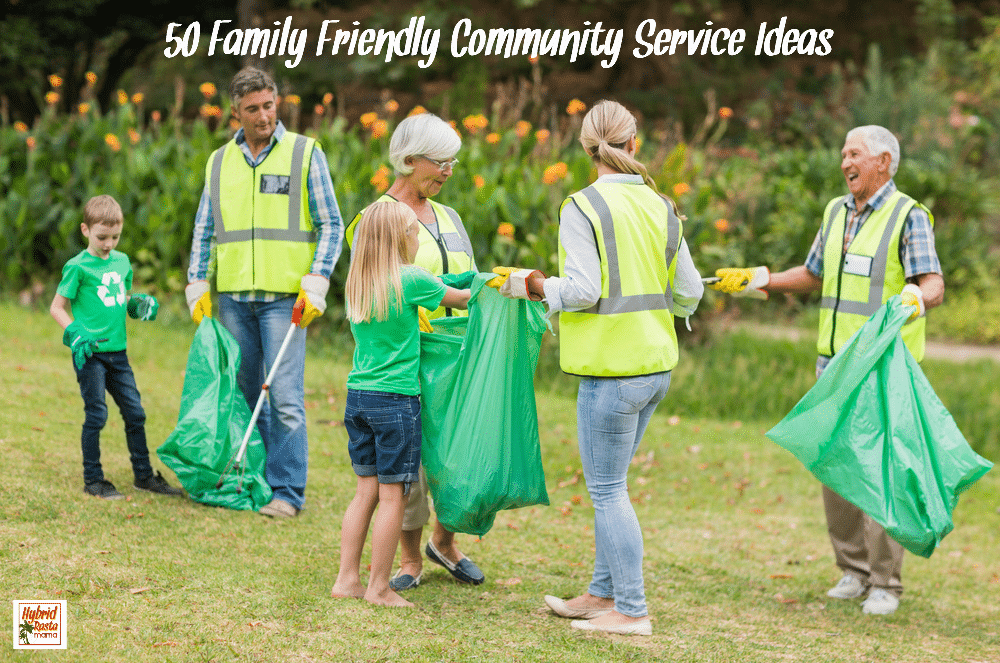
Incorporating Community Service into the Curriculum
Community service is a great way for students to learn about their community, develop leadership skills, and give back. It also provides an opportunity for them to apply what they have learned in the classroom to real-world situations. Incorporating community service into the curriculum can be done in several ways:
1. Service Learning Projects
Service learning projects are a popular way of incorporating community service into the curriculum. These projects allow students to work on meaningful projects that benefit their community while also gaining valuable skills such as teamwork, problem-solving, and communication.
For example, high school students could work with local non-profit organizations to organize food drives or volunteer events. In addition to doing something beneficial for their community, this type of project provides opportunities for students to build relationships with people from different backgrounds and develop empathy.
2. Internships
Internships are another way of incorporating community service into the curriculum. Students can gain hands-on experience working with organizations that align with their interests and career goals while also giving back to the community.
For example, a student interested in environmental sustainability could intern at a local conservation organization or participate in beach clean-ups organized by environmental groups.
3. Volunteer Work
Volunteer work is one of the most common forms of community service and can be easily incorporated into any curriculum. This type of activity allows students to connect with members of their communities while providing valuable assistance where it’s needed most.
Volunteering at soup kitchens, animal shelters, or nursing homes are all excellent options for students who want to get involved in helping those around them.
The Role of Community Partnerships in Alternative Education
Alternative education programs often rely heavily on partnerships with local organizations as part of their effort towards creating unique educational experiences tailored specifically towards individual student needs.
These partnerships provide alternative schools with access to resources not typically available through traditional schooling models which helps create more engaging learning experiences that inspire creative thinking and critical problem solving skills.
1. Non-Profit Organizations
Non-profit organizations can be excellent partners for alternative education programs. These organizations often have a deep understanding of the communities they serve and have developed programs that are designed to help students succeed.
For example, a local non-profit organization focused on literacy could partner with an alternative school to provide tutoring services or literacy-based activities for students who need extra support in this area.
2. Local Businesses
Local businesses can also be valuable partners for alternative schools. They may offer internships, mentoring opportunities, or other types of work experience that allow students to gain real-world skills while giving back to the community.
3. Government Agencies
Government agencies such as city councils and school boards can also be important partners for alternative schools. These agencies often have access to resources that traditional schools do not and can provide unique learning opportunities for students.
Service Learning for Students with Disabilities
Service learning is an excellent way for all students, including those with disabilities, to engage in meaningful activities that benefit their communities while developing important life skills such as teamwork and communication.
Here are some ways in which service learning projects can be adapted to meet the needs of students with disabilities:
1. Tailored Projects
Projects should be tailored towards the specific needs of each student in order to ensure success and engagement in the project. For example, projects could focus on sensory-friendly events or accommodations made specifically for individuals who are non-verbal or use assistive technology devices.
2. Accommodations Made Available
Accommodations must be made available so that all learners feel included throughout their participation process within any given activity or program being offered through service-learning initiatives by educational institutions like alternate schooling methods like homeschooling etcetera.
Community-Based Research Projects for High School Students
Community-based research projects are another excellent way of incorporating community service into high school curriculums while providing valuable opportunities for critical thinking and problem-solving skills development among students.
Here are some steps to follow when designing community-based research projects for high school students:
1. Identify Areas of Need
The first step in designing a community-based research project is to identify areas of need within the community. This could involve speaking with local non-profit organizations, government agencies, or community members themselves.
2. Develop Questions and Hypotheses
Once an area of need has been identified, the next step is to develop questions and hypotheses that will guide the research process. Students can work together to brainstorm ideas and come up with potential solutions before moving on to more formalized data collection methods like surveys or interviews.
3. Collect Data
Data collection can be done through various methods such as surveys, interviews, focus groups etcetera depending upon what kind of information needs gathering about any specific topic under consideration at any given time while conducting these projects with student participants involved in them.
Using Technology To Enhance Community-Based Learning Experiences
Technology can play a significant role in enhancing community-based learning experiences by providing access to resources not typically available through traditional schooling models.
Here are some ways technology can enhance community-based learning experiences:
1. Virtual Tours
Virtual tours offer an opportunity for students who cannot physically visit places they are studying about virtually get transported there via online platforms like Google Maps Street View or other similar tools that provide immersive audio-visual experiences for learners worldwide!
2. Online Resources
Online resources such as video tutorials and interactive simulations allow students to learn at their own pace while also providing opportunities for real-world application of skills learned during classroom instruction periods too!
 Alternative Amie
Leave a comment