Tactile Learning: The Benefits and How to Implement It
Education is a vital part of life. It is what shapes us, helps us grow, and become better individuals. But not all students learn the same way, and many may struggle with traditional teaching methods that rely heavily on visual or auditory learning styles. This is where tactile learning comes in.
Tactile learning involves using hands-on experiences to help students understand concepts better. In this post, we will explore the benefits of tactile learning and provide some tips on how to implement it in your classroom or homeschooling environment.
Benefits of Tactile Learning
1. Enhances retention
One significant benefit of tactile learning is that it enhances retention. When students are actively involved in their education through touch, they tend to remember information more easily than when they passively receive it through lectures or reading materials.
2. Engages diverse learners
Not all learners respond equally well to traditional teaching methods like reading from textbooks or listening to lectures. Many people have a preference for kinesthetic (tactile) learning as opposed to visual or auditory-based ones; such learners often find themselves struggling with conventional educational practices since these do not cater well enough for their preferred approach towards grasping knowledge.
3. Boosts creativity
Tactile activities can boost creativity by encouraging students’ imaginations and letting them experiment with new ideas without fear of failure or judgment from others.
4. Develops social skills
Group activities promote teamwork while also helping children develop communication skills necessary for working collaboratively throughout their lifetime.
5. Promotes problem-solving
Tactile activities require problem-solving skills as children must think critically about how best they can use available resources at hand while figuring out what works best under different situations.
6. Fosters independence
When children engage in hands-on activities independently, they develop self-reliance skills which help them become more confident individuals ready for whatever challenges come their way.
7. Improves academic performance
Tactile learning can improve academic performance by providing students with multiple ways to engage with the material and understand it at a deeper level, leading to better test scores and grades.
How to Implement Tactile Learning
1. Incorporate sensory experiences into lessons
One way of implementing tactile learning is by incorporating sensory experiences into your lessons. For example, if you’re teaching kids about plants, consider having them touch leaves or smelling flowers as a way of engaging their senses while introducing new concepts.
2. Provide manipulatives
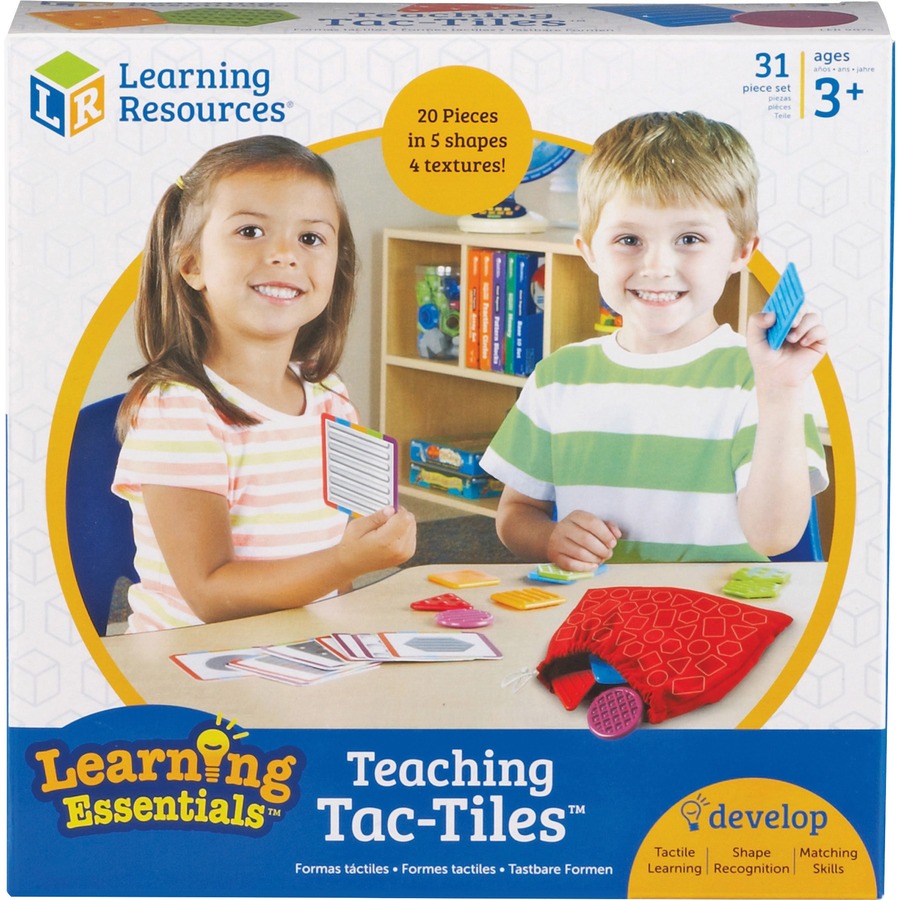
Manipulatives are physical objects that help children learn through exploration and experimentation. These could be anything from blocks for building structures to puzzles designed specifically for developing critical thinking skills in young minds.
3. Use technology
Technology can be an excellent tool for tactile learners too! There are many apps and games available that allow children to interact with information differently than traditional classroom settings would provide them – giving them more opportunities to explore concepts hands-on with virtual representations of real-world situations or objects.
4. Combine visual aids with tactile activities
Combining visual aids such as diagrams, pictures or videos alongside tactile activities can help reinforce learning even further since students will have two different channels through which they receive information simultaneously.
5. Encourage group work
Group work provides an opportunity for students to share ideas while also developing social skills necessary for working collaboratively throughout their lifetime.
6.Create open-ended projects
Open-ended projects encourage creativity by giving children the freedom to explore their own ideas while still being accountable for completing assignments within a set timeframe – allowing room for innovation without imposing too many restrictions on how they should approach things!
Conclusion:
Tactile learning is an effective educational strategy that engages learners in meaningful ways, encouraging retention and fostering independence whilst promoting problem-solving abilities among participants regardless of age-group or cognitive development stage.
By using the tips mentioned above on how best one might implement this approach in the classroom or homeschooling environments, educators can offer students an opportunity to engage with information more fully than might be possible when relying solely on traditional teaching methods.
 Alternative Amie
Leave a comment