Cooperative Learning: A Powerful Approach to Alternative Education
Alternative education has become a popular choice for parents who want their children to have a more personalized and engaging learning experience. One of the most effective approaches in alternative education is cooperative learning, which encourages students to work together in groups to achieve common goals.
What is Cooperative Learning?
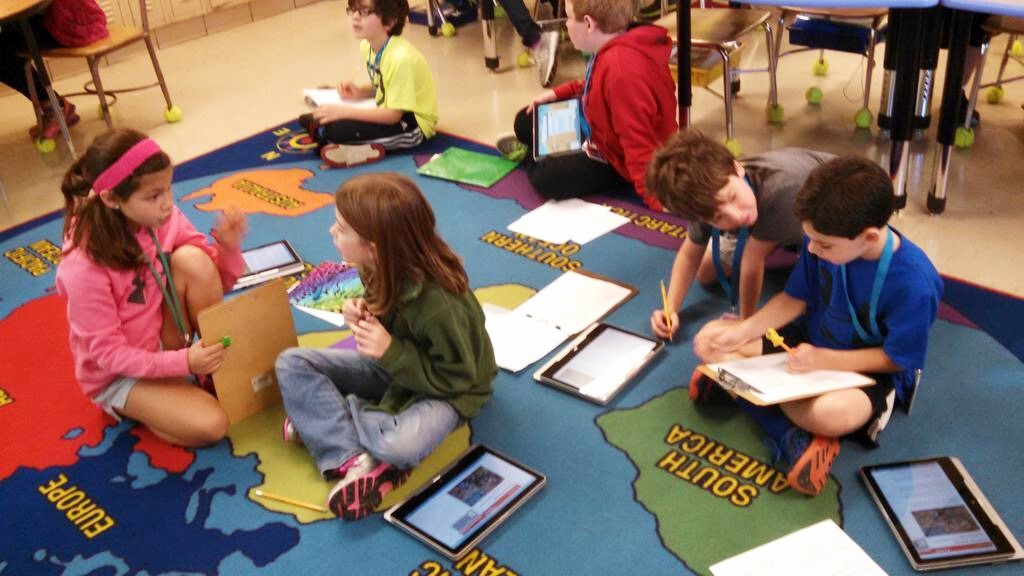
Cooperative learning is an instructional strategy that involves small groups of students working together on tasks or projects. In this approach, students are assigned roles and responsibilities within the group, and they must collaborate with each other to complete a task successfully.
The goal of cooperative learning is not only to help students develop specific skills but also to promote social interaction and teamwork. The process of working together allows students to learn from each other’s strengths and weaknesses while building communication skills, problem-solving abilities, creativity, critical thinking, empathy, respect for diversity, and mutual support.
How Does Cooperative Learning Work?
Cooperative learning can be applied in various educational settings such as classrooms or extracurricular activities like sports teams or clubs. Students can work together on academic assignments such as research papers, presentations, debates or non-academic tasks like community service projects.
To begin with cooperative learning approach:
1) Teachers assign heterogeneous groups based on student interests or needs.
2) Each group receives clear instructions about what they need to accomplish.
3) The teacher provides guidance on how the group should interact (e.g., taking turns speaking).
4) Group members discuss ideas among themselves until they reach consensus.
5) They share their conclusions with the entire class through presentations that highlight each member’s contribution.
Benefits of Cooperative Learning
Cooperative learning offers many benefits over traditional teaching methods:
1. Encourages Active Participation: It motivates even shy students who may feel hesitant about participating in classroom discussions when they know they will receive support from their peers.
2. Develops Critical Thinking Skills: When solving problems collectively with others; individuals are exposed to multiple perspectives and ideas, which can challenge their own thinking and help them develop more complex reasoning skills.
3. Promotes Social Skills: Cooperative learning helps students learn how to interact with others in a positive way without being judgmental or critical.
4. Builds Confidence: Students gain confidence when they realize they have the ability to contribute positively to a group effort.
5. Increases Retention of Knowledge: When students work together, they explain concepts in their own words and teach each other, leading to better memory retention as compared to individual learning.
6. Emphasizes Student Empowerment: By giving students control over their learning environment through collaborative activities; it encourages self-directed learning and personal growth
Challenges of Cooperative Learning
Cooperative learning is not without its challenges:
1) Group dynamics- It may be difficult for some individuals who are shy or introverted to speak up or share ideas within the group. In addition, groups may encounter disagreements that need resolution before moving forward with assignments.
2) Time Constraints – Coordinating schedules for group members can also be challenging.
3) Unequal Participation – Sometimes one team member dominates while others take a back seat.
4) Grading & Evaluation – Teachers must ensure that every student has contributed equitably towards the success of the project/assignment independently.
Conclusion
In conclusion, cooperative learning is an effective approach for alternative education because it provides opportunities for students to engage actively in their own learning while developing social skills simultaneously. It offers numerous benefits such as increased motivation, deeper comprehension, better communication skills, greater empathy towards peers from diverse backgrounds and improved teamwork abilities.
The key factor behind successful implementation is teacher guidance along with parent support at home. Alternatives schools should consider incorporating cooperative learning into everyday teaching practices by providing training on how best this technique works in real classrooms settings so that educators feel comfortable using this method effectively with different age groups across various academic subjects areas.
 Alternative Amie
Leave a comment