Introduction
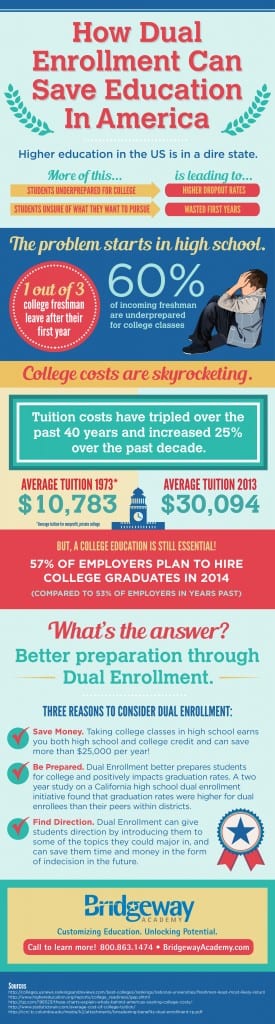
Dual enrollment is a program that allows high school students to enroll in college courses, earning both high school and college credit. Dual enrollment has grown in popularity over the years because it provides students with the opportunity to earn college credits while still in high school, saving them money on tuition and helping them get ahead of their peers. However, for students with disabilities, dual enrollment can pose unique challenges that require special attention.
Challenges of Dual Enrollment for Students with Disabilities
1. Accessibility Issues: One of the primary challenges faced by students with disabilities in dual enrollment programs is accessibility. Many colleges do not have adequate accommodations for disabled students, which can make it difficult or impossible for these students to access course materials and participate fully in class activities.
2. Lack of Support Services: Another significant challenge faced by disabled students participating in dual enrollment programs is a lack of support services. Disabled students often require extra assistance from tutors, counselors, and other support staff to help them succeed academically; however, many colleges do not offer these services to dual-enrolled high school students.
3. Social Integration: Disabled students may also struggle with social integration when participating in dual enrollment programs because they are often younger than their college peers and may feel out of place among older classmates.
4. Limited Course Options: Additionally, limited course options can be a problem for disabled students participating in dual enrollment programs since some courses may not be accessible due to their disability or academic level.
5. Transportation Barriers: Finally, transportation barriers can be an issue for disabled student participants who might need specialized transportation arrangements such as wheelchair access or other accommodations that are beyond what the usual public transport system offers.
Addressing Challenges Faced By Students With Disabilities In Dual Enrollment Programs
To address the challenges faced by disabled student participants involved in dual-enrollment programs:
1) Accessibility should always come first – Colleges should ensure that all course materials are available online or otherwise accessible to disabled students. Additionally, reasonable accommodations should be provided to ensure that students can participate in class activities and assignments.
2) Support services should be made available – Colleges should offer support services such as tutoring, counseling, and other assistance programs for disabled student participants. These services are critical to helping these students succeed academically.
3) Social integration is important – Colleges should work to create a welcoming environment for all students, including those with disabilities. This can include providing opportunities for social interaction and belonging among peers.
4) Expanding course options- Dual enrollment programs could benefit from expanding the range of courses offered to include subjects and activities that cater to the needs of disabled student participants who might need specialized attention or more advanced coursework in specific areas.
5) Transportation arrangements – Transportation barriers could be resolved by colleges working alongside local transport companies or authorities so that they can provide adequate transportation arrangements that meet the unique needs of disabled student participants involved in dual-enrollment programs.
Conclusion
Dual enrollment programs have many benefits for high school students; however, it is essential to recognize the challenges faced by disabled student participants when designing these programs. By addressing accessibility issues, offering support services and creating an inclusive environment where every participant feels welcome regardless of their disability status, we can help ensure that all high schoolers have access to college-level coursework while still in high school without feeling excluded due to their disability status. Collaboration between colleges, schools districts and families would also go a long way towards making this possible while ensuring equity across different groups of learners.
 Alternative Amie
Leave a comment