Cooperative education or co-op education is a form of experiential learning that combines academic instruction with practical work experience in a cooperative environment. Co-ops can be found in various industries, but they are particularly popular in the field of alternative schooling and education. Here are eight policies and procedures that every co-op participant should know:
1. Eligibility requirements – Each co-op has eligibility requirements that must be met before participation. These may include minimum GPA, major/minor course completion, specific skills or qualifications.
2. Job responsibilities – Every participant must understand their job responsibilities and duties during their time at the co-op.
3. The length of the program – Some co-ops have set terms while others offer rolling admissions throughout the year.
4. Evaluation process – Participants will be evaluated on their performance by both their employer and school supervisor.
5. Compensation – Co-ops may offer paid or unpaid work experience depending on the company or organization’s policies.
6. Required coursework – Students enrolled in a cooperative education program must complete associated coursework as part of fulfilling degree requirements.
7. Professional Development Opportunities – Participating students will have an opportunity to develop professional skills through workshops, training sessions, conferences and other events related to their particular field
8.Opportunities for College Credit – In many cases students who participate in a Cooperative Education Program can earn college credit for completing it which helps them towards graduation
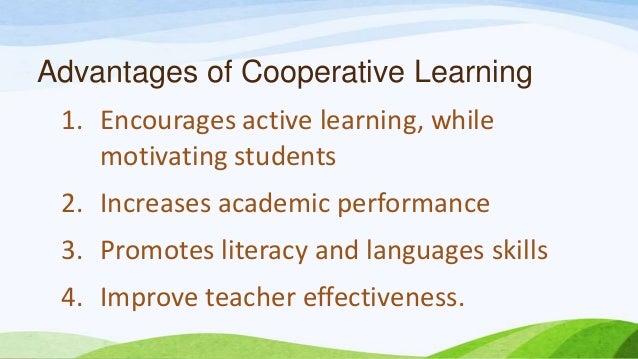
In addition to these essential policies and procedures, there are several benefits of participating in a cooperative education program besides gaining valuable work experience: networking opportunities with industry professionals; increased understanding of how theoretical concepts apply to real-life situations; improved communication skills; enhanced problem-solving abilities; increased confidence and self-awareness.
In conclusion, if you’re interested in pursuing an alternative form of education that incorporates hands-on experiences within your chosen field then exploring cooperative programs could be just what you need! Be sure to research each program thoroughly so you can make an informed decision on which one is right for you.
 Alternative Amie
Leave a comment