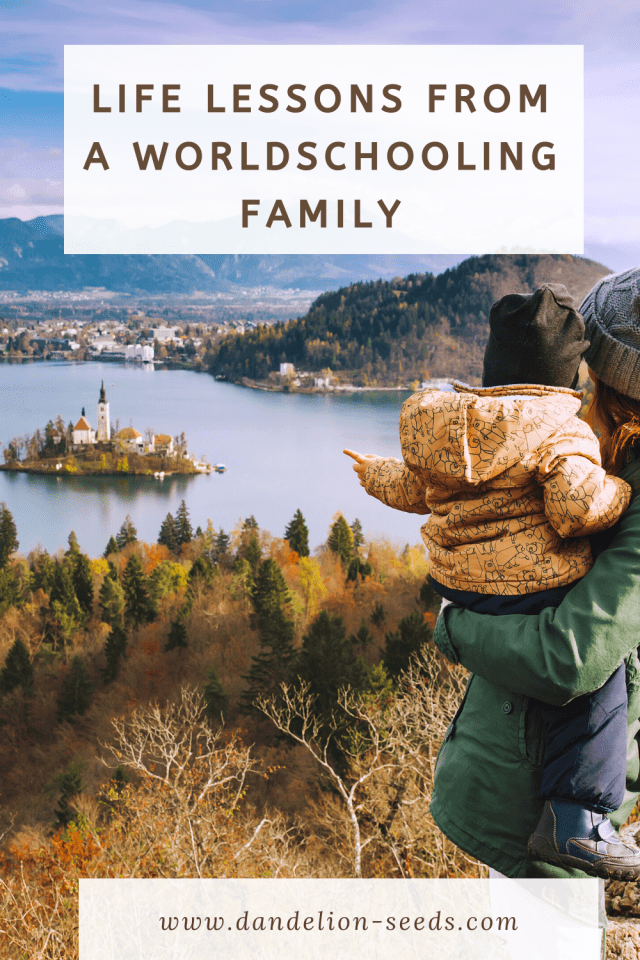
Worldschooling: A Case Study on Alternative Education
In recent years, more and more families have been turning to alternative forms of education for their children. One such approach is worldschooling, which involves traveling the world while incorporating educational opportunities into the experience.
To shed light on this unique form of education, I had the opportunity to interview a family who has been worldschooling for several years now.
Meet the Smith Family (names changed for privacy). John and Jane Smith are parents to three children aged 10, 8 and 6. After feeling disillusioned with traditional schooling methods, they decided to embark on a journey around the world as part of their children’s education.
“Our kids were not thriving in school,” says Jane. “They were bored and not being challenged enough. We knew we needed to do something different.”
And so began their journey as worldschoolers.
The family started by researching destinations that would provide rich cultural experiences along with opportunities for learning. They chose countries like India, Thailand, Vietnam, Cambodia and Laos as some of their first stops.
“We wanted our kids to experience different cultures firsthand,” explains John. “We also knew that there was so much history and geography that could be learned through travel.”
While abroad, the Smiths make use of various resources available online such as Khan Academy and Coursera for online courses in subjects like math or science when necessary.
However, most learning happens organically through hands-on experiences like visiting museums or historical sites or even interacting with locals in markets or villages.
“Learning becomes experiential rather than just theoretical,” says Jane. “Our kids are able to see how concepts they learn about in books apply in real life situations.”
For example, during their time in Cambodia the family visited Angkor Wat temple complex where they learned about ancient Khmer civilization – from its architecture to religion – through guided tours and exploration of temples themselves.
Similarly during a visit to a village in rural Laos, the family learned about subsistence farming and how locals grow and harvest rice.
The Smiths also make use of local programs that cater to alternative education such as Montessori schools or nature-based learning centers for their children when they are stationed in one place for extended periods of time.
One thing that stands out about worldschooling is the flexibility it provides. The Smiths have been able to tailor their itinerary according to their interests and travel at a pace that suits them best – something that would not be possible with traditional schooling schedules.
“Being able to spend more time in certain places has allowed us to delve deeper into subjects we find fascinating,” says John.
However, there are challenges that come with this approach too. One major concern for many parents is ensuring their children stay on track academically and don’t fall behind in traditional subjects like math or reading.
“We do worry sometimes if we’re doing enough,” admits Jane. “But then we see how much our kids have grown intellectually and emotionally through these experiences, and it’s very reassuring.”
Another challenge is finding ways to socialize with other children while traveling. However, the Smiths have found creative solutions by joining online communities of other worldschoolers or connecting with local families through various means.
Overall, the Smith family feels privileged to be able to provide this unique educational experience for their children.
“It’s been an incredible journey so far,” says John. “We’ve seen our kids grow so much both personally and academically.”
Worldschooling may not be for everyone but it presents an exciting opportunity for those who are looking for alternative forms of education outside of traditional schooling methods.
 Alternative Amie
Leave a comment