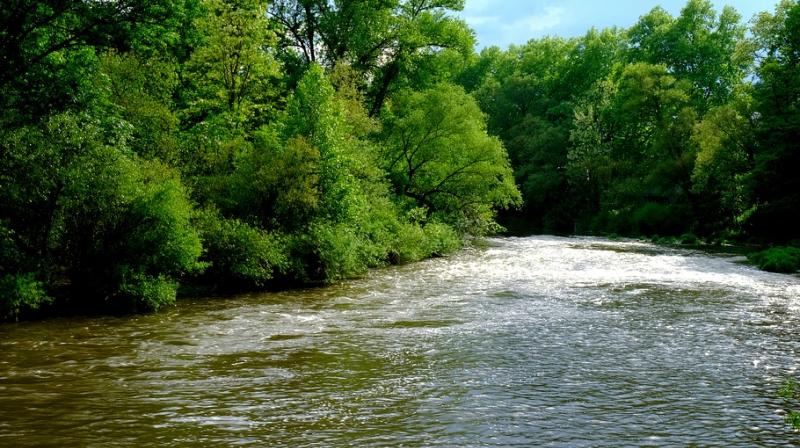
Rivers are a fascinating and essential part of our natural world. They have shaped the landscape, provided us with water for drinking, irrigation, and industry, and have played important roles in cultures around the globe. In this post, we will explore some of the many reasons why rivers are so important.
For starters, rivers offer an array of recreational opportunities. From swimming to kayaking to fishing to simply enjoying a peaceful walk along their banks, there is no shortage of ways to enjoy these beautiful bodies of water. Many people find solace in being near flowing water; it can be very calming and restorative.
In addition to providing leisure activities for humans, rivers also support wildlife habitats. Fish such as salmon depend on clean river systems for spawning grounds and food sources. Birds rely on river ecosystems as well – wetlands found along riverbanks provide crucial breeding areas for many species. Additionally, many animals use rivers as migration routes or corridors between different habitats.
Rivers are also incredibly important for agriculture. Irrigation has allowed farmers throughout history access to consistent water supplies which led them towards fertile land near riverbanks where crops could thrive without much additional watering required over time.
Furthermore, industries such as hydroelectric power generation rely heavily on rivers’ energy potential by harnessing its flow through turbines that generate electricity which is then used by homes across the country.
Another critical aspect of rivers is their role in shaping our physical environment over time—from carving out canyons and gorges to depositing sediment into floodplains—rivers continue to shape landscapes even today
Though they may seem like a natural wonder that always exists nearby but often overlooked until problems arise when floods or droughts occur due largely because humans encroached upon waterfront areas while ignoring basic principles like maintaining vegetation cover along banks- leading them now at risk from erosion events caused either by nature’s changing course or human activity.
As populations grow worldwide demand for freshwater increases putting additional pressure on rivers to meet our needs. Unfortunately, this increased demand has led to overuse of water resources and pollution from industrial sources, runoff from agricultural lands, sewage systems and even everyday household items like cleaning products that can cause harm downstream.
To ensure the continued health of our rivers and the ecosystems they support we must act responsibly in how we use them. This includes taking steps to reduce pollution by properly disposing of waste materials, enforcing regulations against illegal dumping or other harmful activities near riverbanks, implementing sustainable agriculture practices that minimize impacts on water quality while maximizing crop yields; placing protections on wetlands found along banks which are essential breeding areas for many species.
In addition to protecting our rivers through responsible usage methods, we must also remain vigilant about threats posed by climate change. Rising temperatures are leading to increased frequency and intensity of droughts as well as more frequent flooding events caused by heavier rainfall patterns that lead to erosion as river channels become overwhelmed with water volume – causing damage downstream where homes lie in its path.
In conclusion, there is no denying the importance of rivers both ecologically and environmentally speaking. They provide us with food sources for both humans and wildlife alike; offer leisure activities such as fishing or kayaking; generate clean energy through hydroelectric power generation facilities while shaping landscapes over time- all while supporting ecosystems vital for biodiversity’s survival. It is therefore critical that we take responsibility for their care so future generations may enjoy these natural wonders too!
 Alternative Amie
Leave a comment