Individualized Education Plans (IEPs) are an essential component of special education that aim to provide personalized academic support for students with disabilities. The IEP is a legally binding document that outlines the child’s unique learning needs, goals, and objectives. It also includes strategies and accommodations to help them meet their educational milestones.
The process of creating an IEP involves parents/guardians, teachers, school administrators, and specialized service providers who work together to assess the student’s strengths and weaknesses. This assessment helps them identify areas where the child needs additional support or intervention. Once identified, they develop measurable academic goals that align with the state’s grade-level standards.
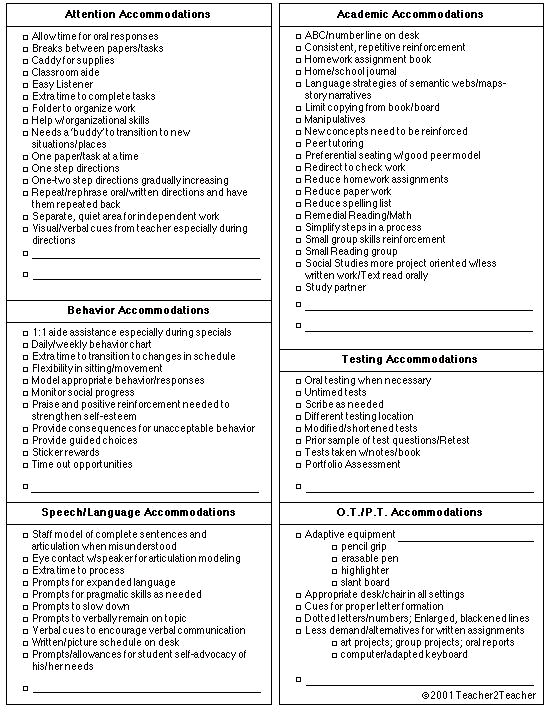
The next step is determining what type of services the student will need to reach these goals. These services may include accommodations such as extended time on tests or preferential seating in class. They may also involve specialized instruction from a special education teacher or related service provider like speech therapy.
One significant benefit of IEPs is that they offer a framework for measuring progress towards academic goals over time. Teachers regularly monitor progress using data collection tools designed specific to each goal and objective listed in the plan. With this information at hand, educators can adjust instructional practices accordingly.
It’s important to note that while IEPs are primarily used by students with disabilities receiving special education services under IDEA (Individuals with Disabilities Education Act), any student struggling academically can benefit from having an individualized plan tailored specifically to their needs.
Overall, IEPs have been shown to be effective in helping children make meaningful gains in academic achievement when implemented correctly. However, it requires ongoing collaboration between all stakeholders involved in developing and implementing it for success.
In conclusion, Individualized Education Plans (IEPs) are crucial tools for supporting students’ educational achievements by providing personalized support aligned with their unique needs and challenges. Parents/guardians should take advantage of this opportunity if they believe their child could benefit from one.
 Alternative Amie
Leave a comment