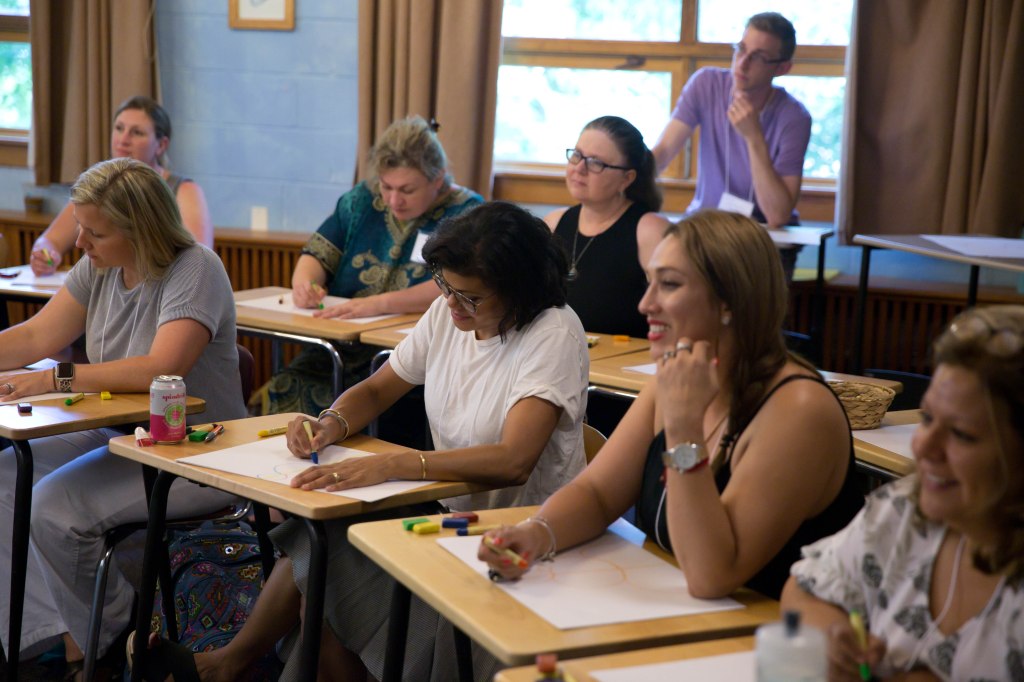
Waldorf Education is a unique approach to education that emphasizes a well-rounded, holistic education for students. Founded by Rudolf Steiner in the early 20th century, Waldorf schools aim to develop each student’s intellectual, artistic, and practical abilities through an integrated curriculum.
One of the key features of Waldorf Education is its focus on experiential learning. Students engage in hands-on activities that encourage creativity and critical thinking skills. For example, younger students may learn math concepts through baking or knitting projects while older students may engage in project-based learning that integrates multiple subjects.
Another important aspect of Waldorf Education is its emphasis on the arts. All students are exposed to music, painting, drawing, drama and other art forms throughout their schooling years regardless of their aptitude for it. This exposure helps them to build self-confidence and expression through different mediums.
Waldorf schools also avoid standardized testing as much as possible because they believe it undermines creativity and natural curiosity among children when they are too concerned with exams at young age instead of enjoying the process of learning itself.
Overall, Waldorf Education provides an alternative approach to traditional education systems by focusing on developing not just academic intelligence but emotional intelligence as well. Its emphasis on experiential learning and the arts helps create well-rounded individuals who are able to think critically while being empathetic towards others around them.
 Alternative Amie
Leave a comment