As the world continues to change and evolve, so too does the education system. Traditional schooling methods may not work for everyone, which is why alternative schooling options are becoming increasingly popular. One such option is Saving, an unconventional approach to education that focuses on personal growth and self-discovery.
Saving was founded by a group of educators who were disillusioned with the traditional education system. They believed that students should be given more control over their own learning experiences and that education should focus on developing the whole person rather than just academic achievement.
At its core, Saving is all about empowering students to take charge of their own learning journey. Students are encouraged to pursue their passions and interests, and they have a say in what they want to learn and how they want to learn it. This approach allows for greater creativity and flexibility in the classroom, as well as a deeper sense of engagement from students.
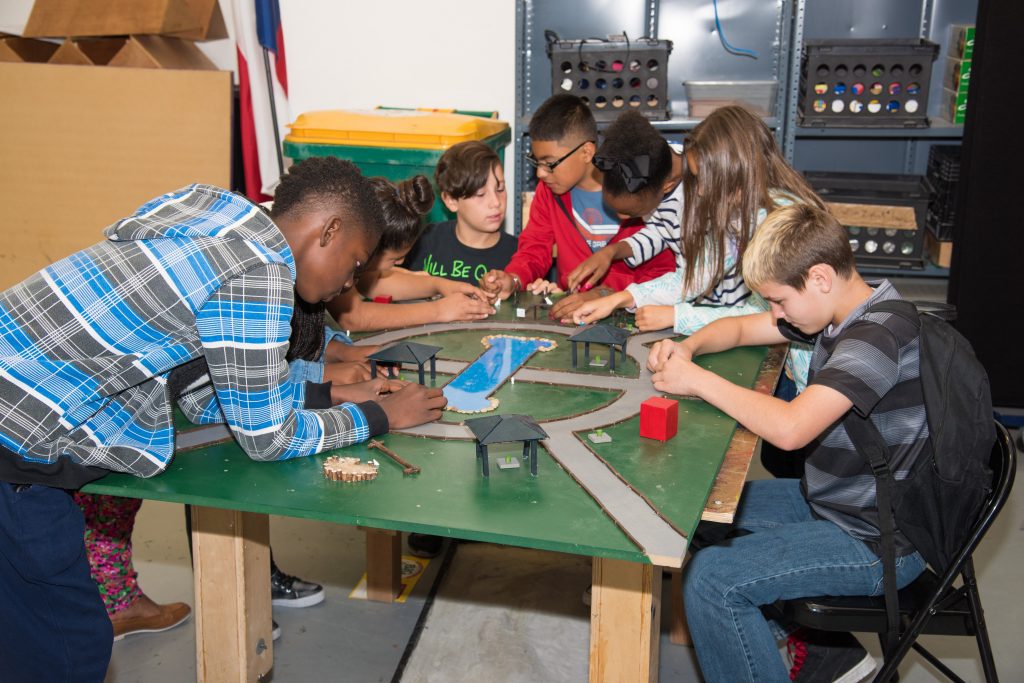
One of the hallmarks of Saving is its emphasis on community building. Students work together on projects and collaborate with each other, fostering a sense of teamwork and camaraderie. The school itself also functions as a tight-knit community where everyone knows each other’s name.
Another key aspect of Saving is its commitment to social justice issues. The school encourages students to think critically about societal problems like inequality, poverty, racism, sexism, etc., and empowers them to become agents of change in their communities.
The curriculum at Saving is designed to be interdisciplinary and project-based. Instead of breaking down subjects into discrete categories like math or science or English literature etc., teachers create lessons around real-world problems that require multiple disciplines working together (e.g., designing sustainable cities). This approach helps students see how different subjects are interconnected in meaningful ways.
In addition to traditional academics like reading writing arithmetic etc., Saving also places a strong emphasis on experiential learning opportunities outside the classroom walls e.g outdoor activities camps excursions internships volunteering gigs etc . These activities allow students to apply what they have learned in a real-world context, deepening their understanding and helping them develop practical skills.
One of the biggest benefits of Saving is its focus on individualized learning. Since each student’s interests and needs are different, teachers work with them one-on-one to create personalized learning plans that cater to their strengths and weaknesses. This approach allows students to progress at their own pace and ensures that no one gets left behind.
Saving also has a strong commitment to environmental sustainability. The curriculum includes lessons on ecological conservation, waste reduction, sustainable energy etc. Students are encouraged to take responsibility for their own impact on the planet and learn how they can make positive changes both locally and globally.
Perhaps the most important aspect of Saving is its emphasis on personal growth and self-discovery. Students are encouraged to explore who they are as individuals through activities like journaling or meditation etc., which helps them build self-awareness and emotional intelligence. This kind of education provides students with tools not only for academic success but also for living fulfilling lives.
In conclusion, Saving offers an alternative model of education that prioritizes student agency over traditional teacher-centered pedagogies . By empowering students to take control of their own learning journey while emphasizing community building social justice interdisciplinary project-based experiential individualized learning environmental sustainability personal growth & self-discovery , this innovative schooling approach encourages young people not just to be knowledgeable but also compassionate well-rounded global citizens who can make positive contributions in our world today .
 Alternative Amie
Leave a comment