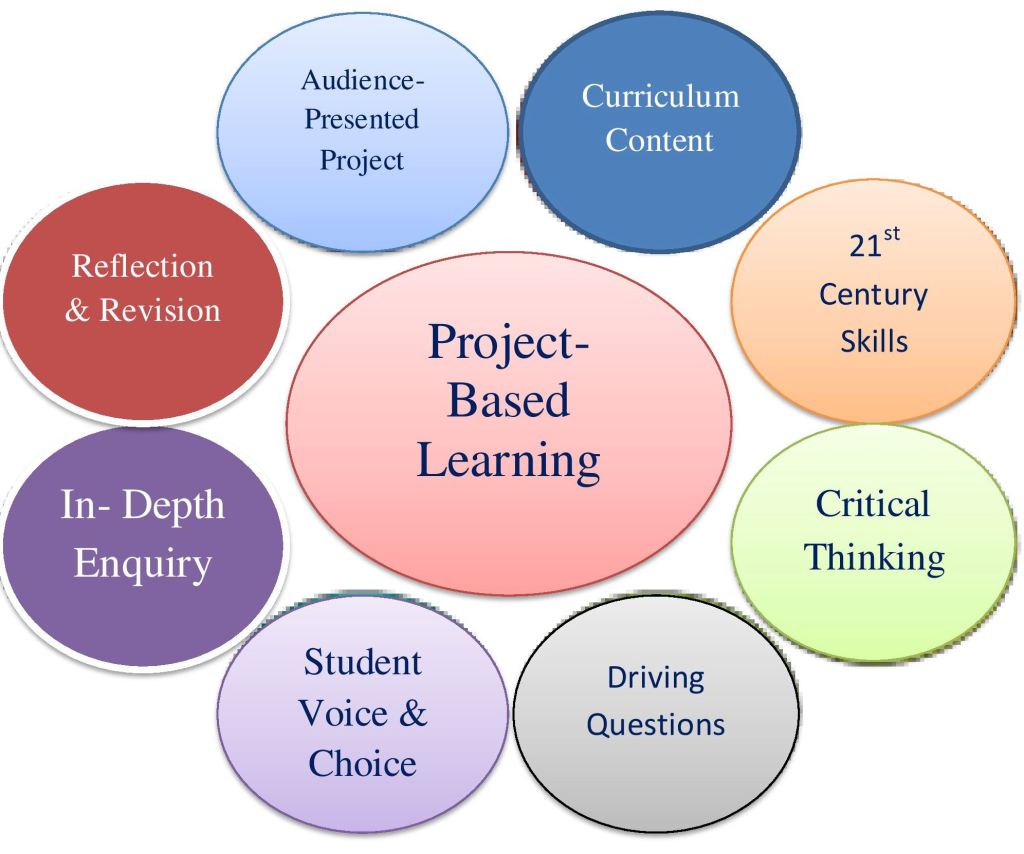
Project-Based Learning: A Hands-On Approach to Education
Traditional education systems have long been criticized for not being able to prepare students for the real world. The emphasis on rote memorization and standardized testing has left many students feeling disillusioned with their education, and ill-prepared for the challenges of the modern workforce. Project-based learning (PBL) offers a refreshing alternative to this approach by providing students with hands-on experiences that help them develop critical thinking, problem-solving, collaboration, and communication skills.
What is Project-Based Learning?
Project-based learning is an approach to education that emphasizes active participation in real-world projects. Instead of simply memorizing facts or formulas, students engage in collaborative projects that require them to apply what they have learned in meaningful ways. These projects can be interdisciplinary and involve research, design, problem solving, experimentation or simulations.
The main goal of project-based learning is to encourage students to become self-directed learners who are capable of taking ownership of their own education. PBL places responsibility on the student as opposed to having teachers lecturing from textbooks or slideshows.
Benefits of Project-Based Learning
1. Encourages Critical Thinking Skills: By engaging in complex projects that require analysis and problem-solving skills, PBL helps develop critical thinking skills among learners.
2. Promotes Collaboration: Students work together towards a common goal which promotes teamwork and collaboration between peers resulting in better social skills overall.
3. Develops Real-World Skills: Since PBL involves working on real-life problems or situations, it gives students opportunities to practice skills such as communication, time management and decision-making which will be useful later on in life.
4. Enhances Creativity: Projects allow learners freedom about how they want the final product produced which encourages creativity while still sticking within certain guidelines.
5. Builds Confidence: When given more control over their own learning experience through project management tasks like brainstorming ideas or delegating tasks amongst group members, students feel more confident in their ability to succeed.
How Project-Based Learning Works
PBL typically begins with a driving question or problem that guides the course of study. This question should be open-ended and encourage students to think critically about the subject matter. Teachers then provide resources such as books, articles, videos, and expert interviews for students to research the topic at hand.
After researching and planning out how they will work together as a team, students then determine how they will present their findings or solutions. This could take many forms including but not limited to: creating presentations or posters; developing websites or social media campaigns; building prototypes of products or models of systems; creating simulations or role-playing exercises; performing skits/plays/musicals showcasing their learning experiences etc.
Throughout this process, teachers act as facilitators rather than lecturers. They are there to offer guidance when needed but ultimately leave it up to the students on how they want to approach the project. It is important for teachers also monitor progress regularly so that any issues can be addressed before they become major roadblocks.
Examples of Project-Based Learning Activities
1) Building a Solar-Powered Car – Students would research solar energy technology and design/build an electric car powered only by solar panels.
2) Starting A Business – Students would create business plans for companies/ideas based upon current market trends while incorporating principles from different disciplines like marketing strategies using applied mathematics (statistics), product development utilizing chemistry/biology concepts etc..
3) Environmental Stewardship Projects – Learners could investigate local environmental challenges (such as water pollution) and develop solutions through community engagement & activism events such as rallies/social media campaigns encouraging people towards recycling practices/alternative energy sources use which help reduce carbon footprint overall!
4) Developing Artistic Exhibitions – PBL can include projects related arts education where learners would collaborate on composing music pieces/paintings/sculptures inspired by famous artists’ works. Final product could be exhibited publicly at a local art gallery.
Conclusion
Project-based learning is an excellent way to provide students with a hands-on, engaging approach to education. By emphasizing real-world projects that require critical thinking and collaboration skills, PBL can prepare learners for the challenges of the modern workforce while cultivating creativity and confidence in their own abilities. While it may seem challenging to implement PBL in traditional classrooms, it is certainly worth trying out because of its numerous benefits.
 Alternative Amie
Leave a comment